Alexander Wang's New Arts Hub Lands in Chinatown
Alexander Wang's The Wang Contemporary — a new Asian American arts hub inside the landmarked Citizens Savings Bank at 58 Bowery, New York — raises urgent questions about cultural gentrification, fashion credibility, and whether downtown still has a committed art audience in 2026.
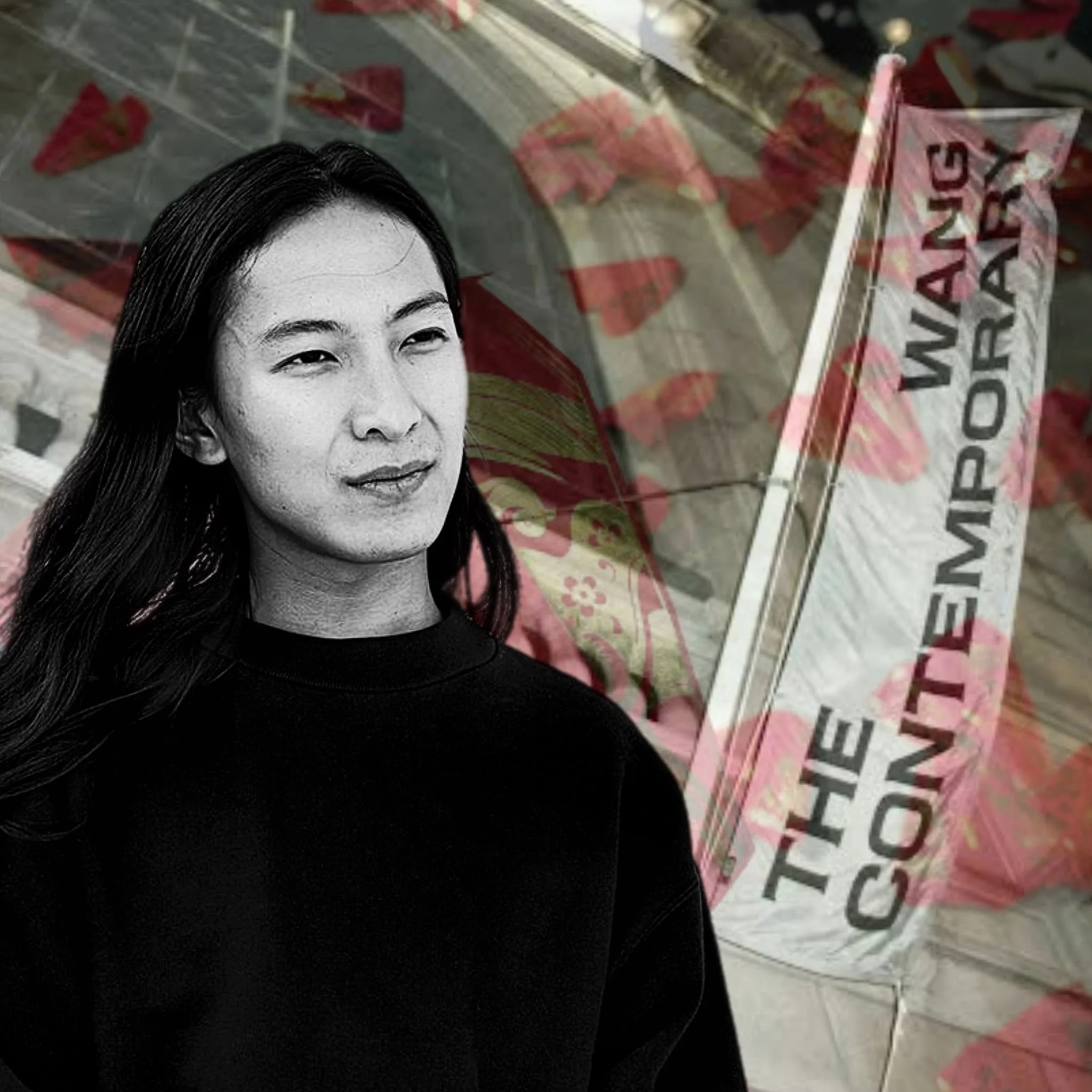
Alexander Wang's new arts hub lands in Chinatown with the energy of someone who partied through downtown's wildest years, took notes, and then bought the bank. The former Citizens Savings Bank at 58 Bowery, a Beaux-Arts relic with a bronze dome and stone lions, is now The Wang Contemporary, a "home for Asian creativity" dreamed up by Wang and his mother, Ying Wang.
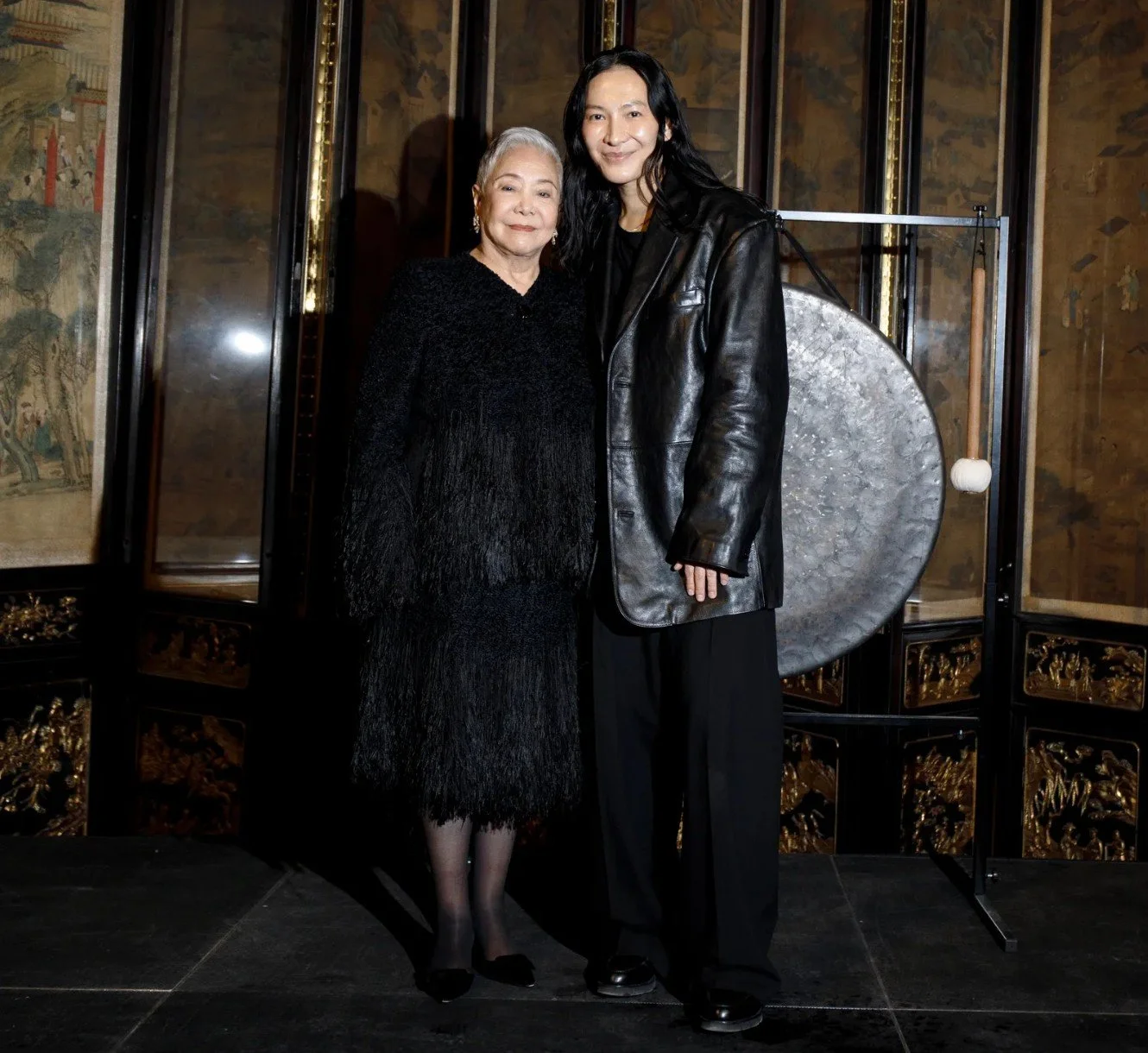
Alexander Wang and his mother Ying Wang, co-founders of The Wang Contemporary, at the opening of their new Asian and Asian - American arts hub at 58 Bowery, Chinatown, New York
From after-hours to art house
In the mid-2000s, Alexander Wang became shorthand for downtown cool: all-black elevated streetwear, fashion-week after-parties, and hush-hush guest lists. Late nights at Indochine and Mercer Kitchen, Rose Bar, Electric Room, Bungalow 8, Beatrice Inn, the Boom Boom Room, where real life was effectively cast as runway, quietly doubled as research. Two decades later, those instincts about space, mood, and crowd behavior resurface in The Wang Contemporary, where Wang blends art, music, and style into a hub for hungry tastemakers, if there are any left in today's increasingly sterile, safe, sales-driven art world.
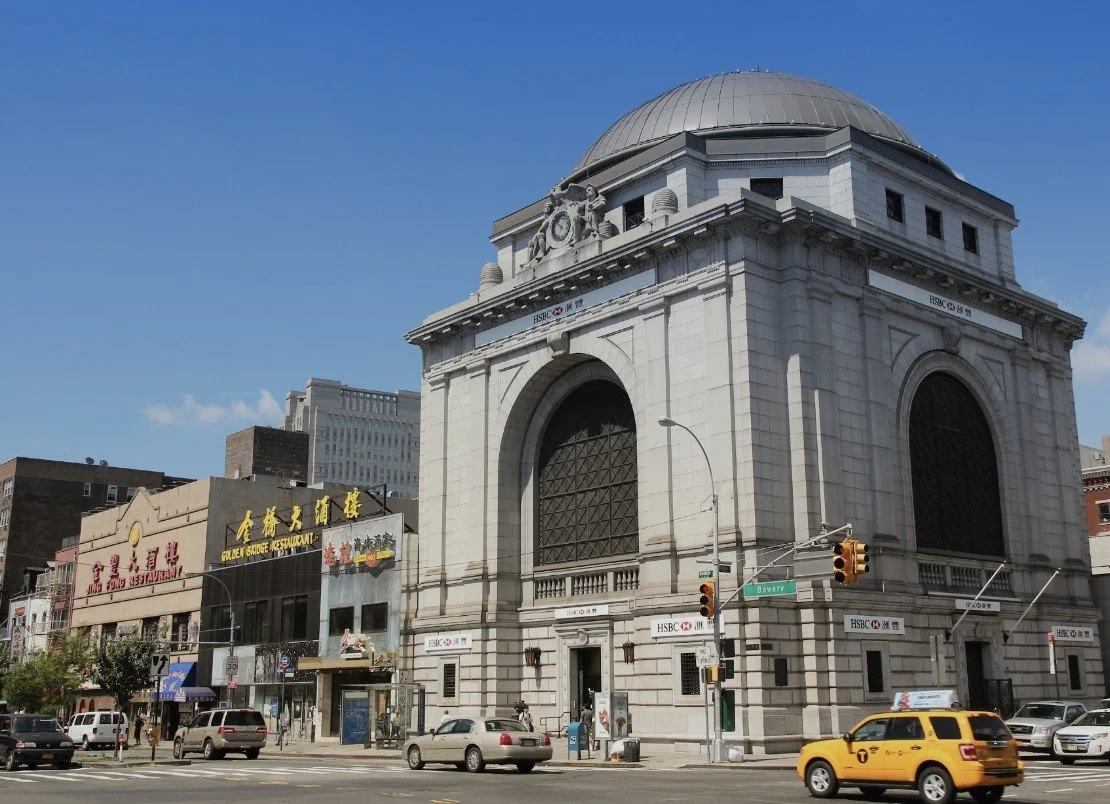
Landmarked Citizens Savings Bank building at 58 Bowery and Canal Street Chinatown New York, Beaux-Arts architecture with bronze dome, now home to The Wang Contemporary
The building as statement
The Wangs reportedly paid around $9-10 million for the landmarked bank, marking the first time in a century the building is owned by Chinese Americans. A potent bit of symbolism: a former engine of capital converted into an engine of cultural capital, right at the gateway to Chinatown. Inside, the vaulted hall is being reimagined as a flexible stage for installations, performances, and cross-disciplinary experiments.
A clubhouse for Asian creativity
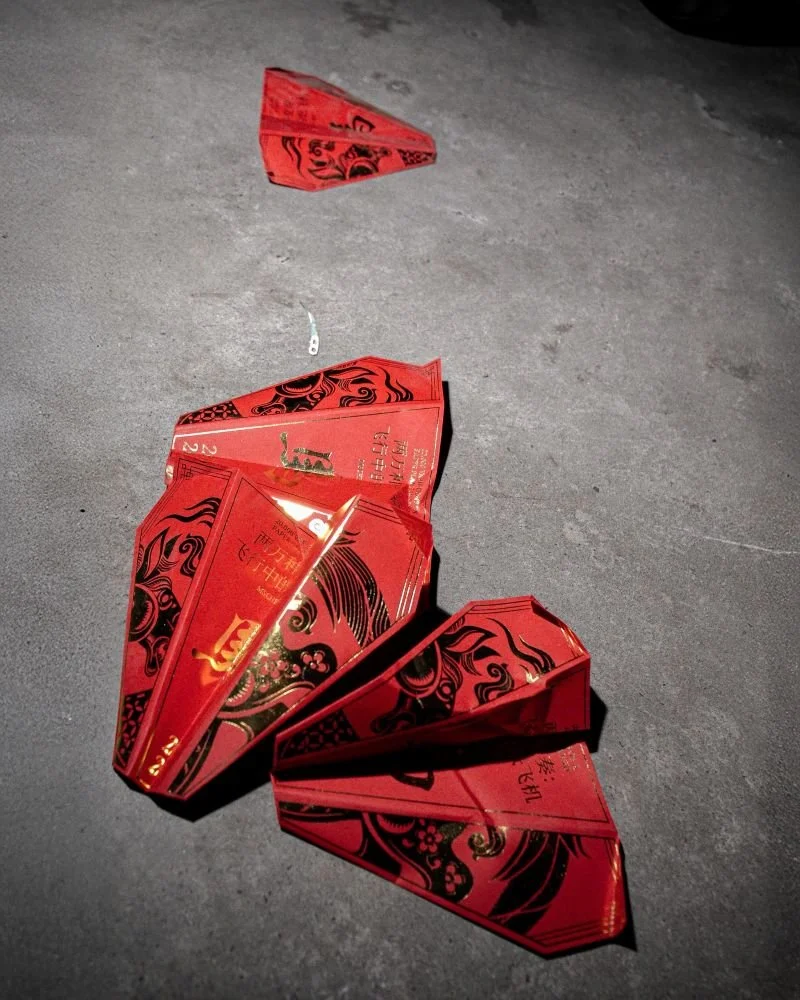
Positioned as an Asian and Asian American arts hub, The Wang Contemporary promises a mix of art, fashion, music, and design rather than a white-cube gallery program. The debut: a three-day, performance-based takeover by MSCHF, the internet-native collective known for turning spectacle into a medium. Timed to Lunar New Year, the choice signals that this space is meant to behave more like a live set than a static archive.
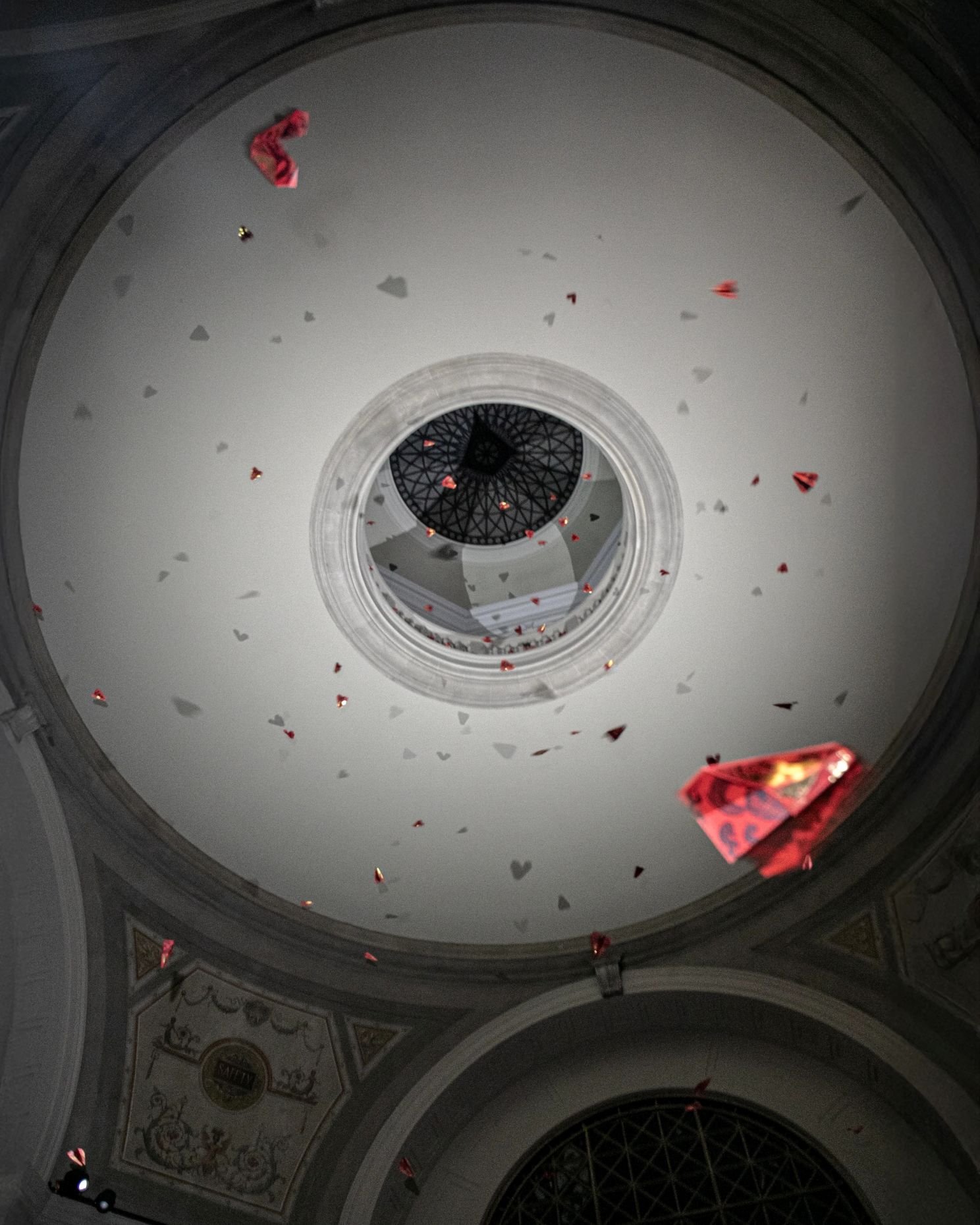
MSCHF 20,000 Variations On A Paper Plane in Flight installation, debut performance takeover at The Wang Contemporary
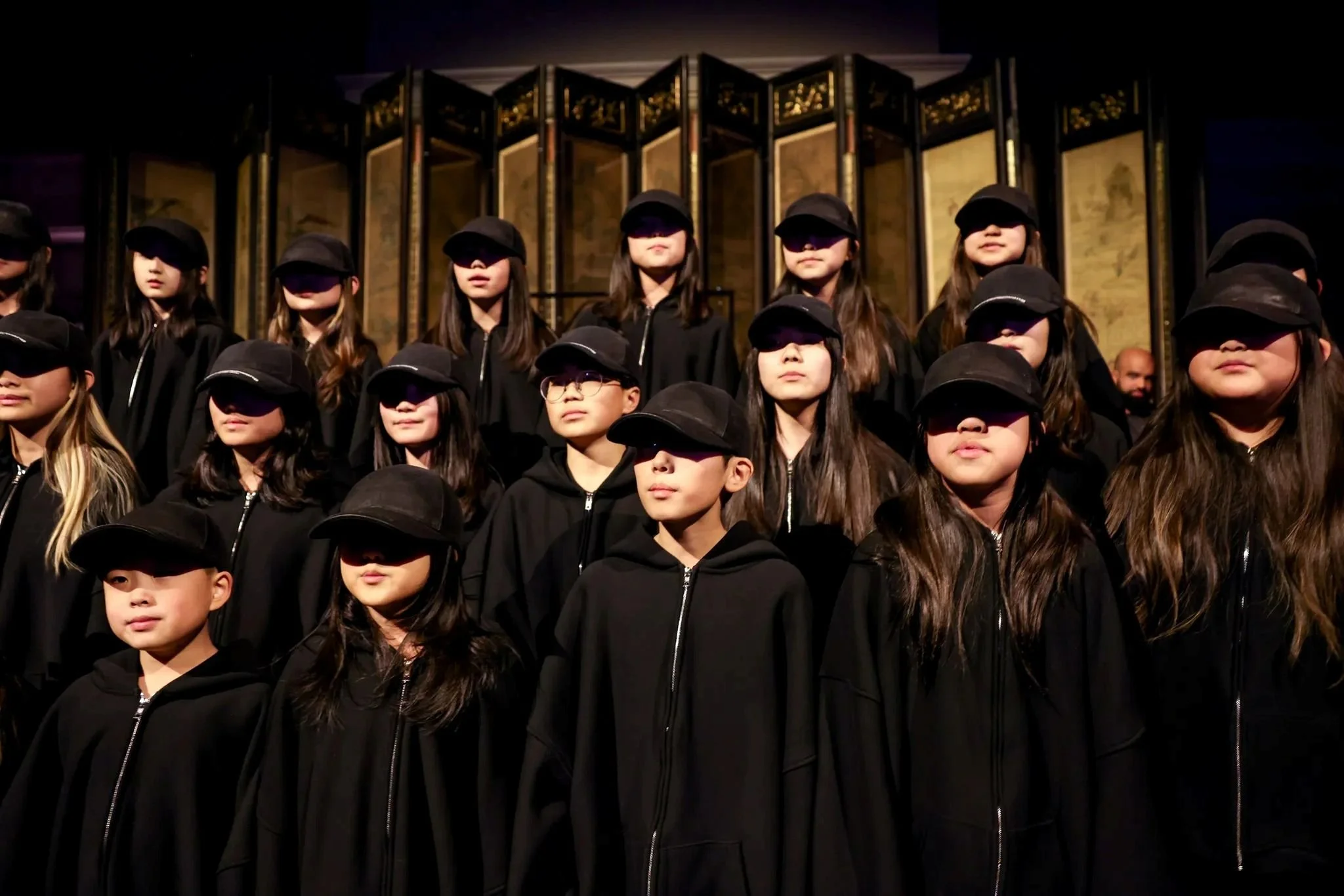
Korean American Youth Choir of New York performing at The Wang Contemporary opening
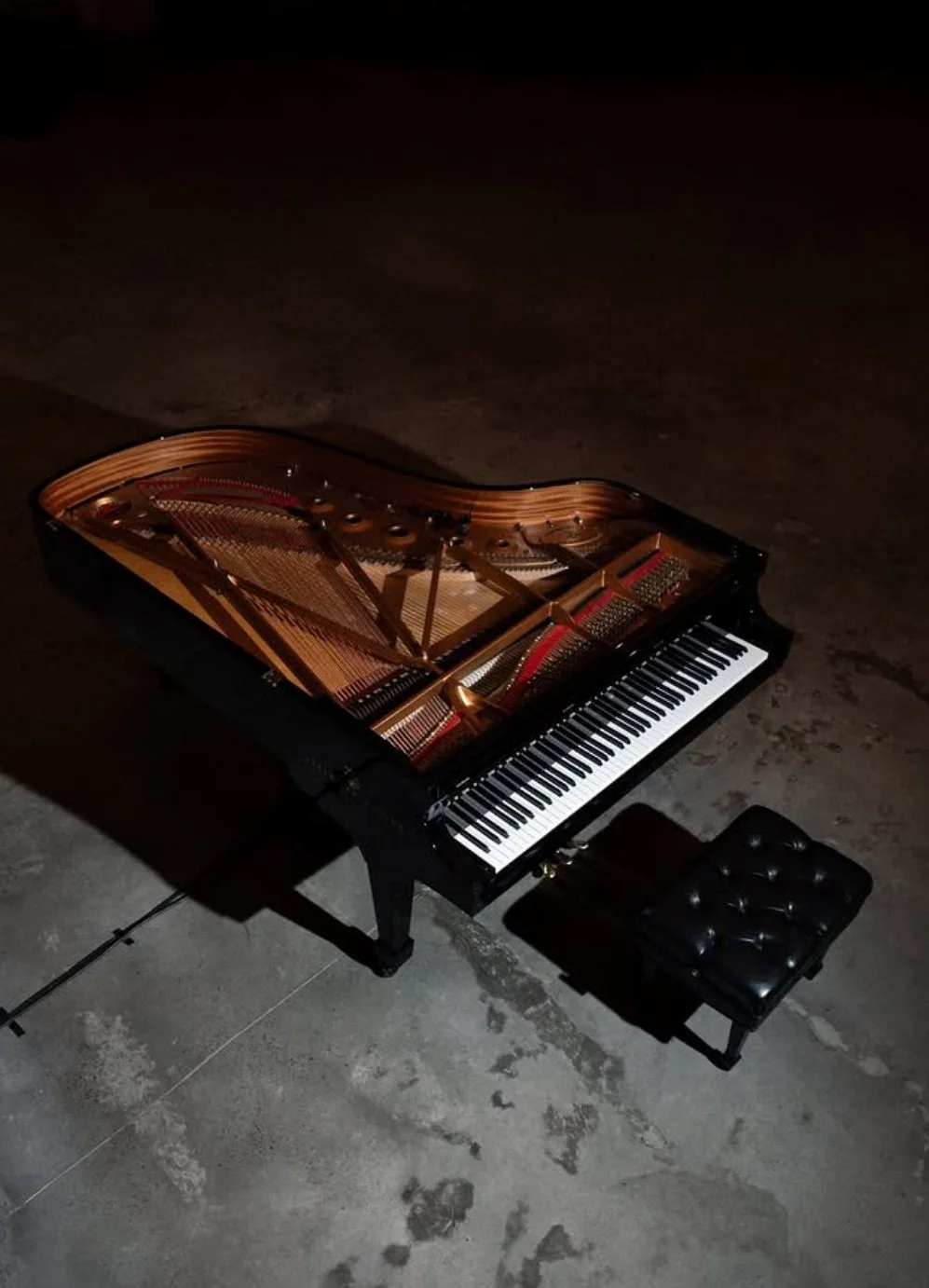
The real questions: audience and risk
Underneath the gleaming dome sits a harder calculation. Lower Manhattan is already dense with galleries, while Chinatown faces rising rents, shifting demographics, and mounting pressure on its small businesses. Layer that onto New York City's swelling budget gaps and broader real estate anxieties, and an arts hub housed in a nearly $10 million landmark starts to look like a very pretty, very high-stakes bet.
Is there still a committed art audience willing to trek to a former bank at Bowery and Canal for performance-heavy programming, beyond the opening-week buzz and influencer posts? Can a venture like this avoid becoming just another luxury-cultural backdrop at a time when cultural institutions are tightening belts and the city is staring down a multibillion-dollar deficit?
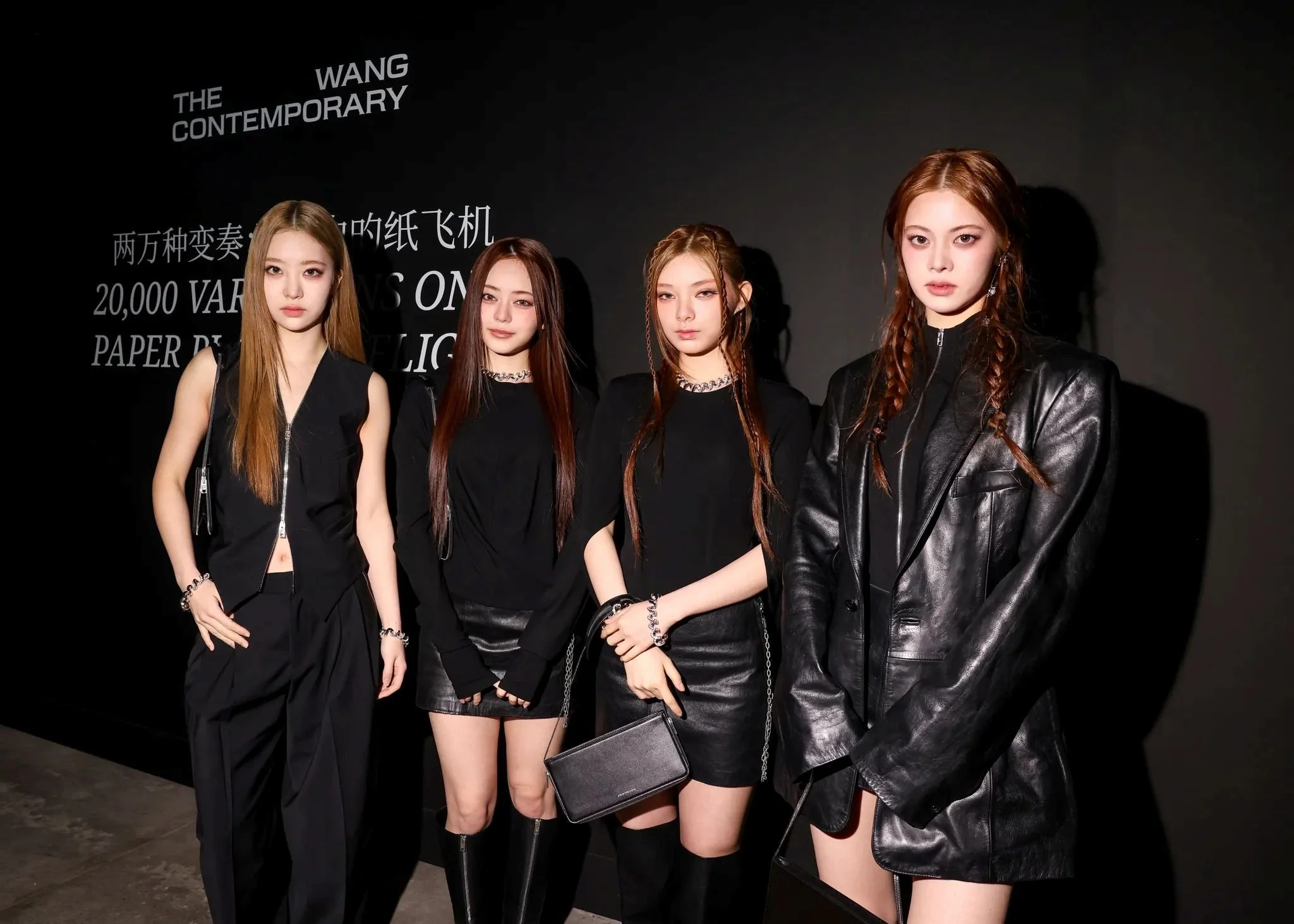
Lee Ji-eun, Kamion Cosmosy, Himesha Cosmosy and Amei Cosmosy
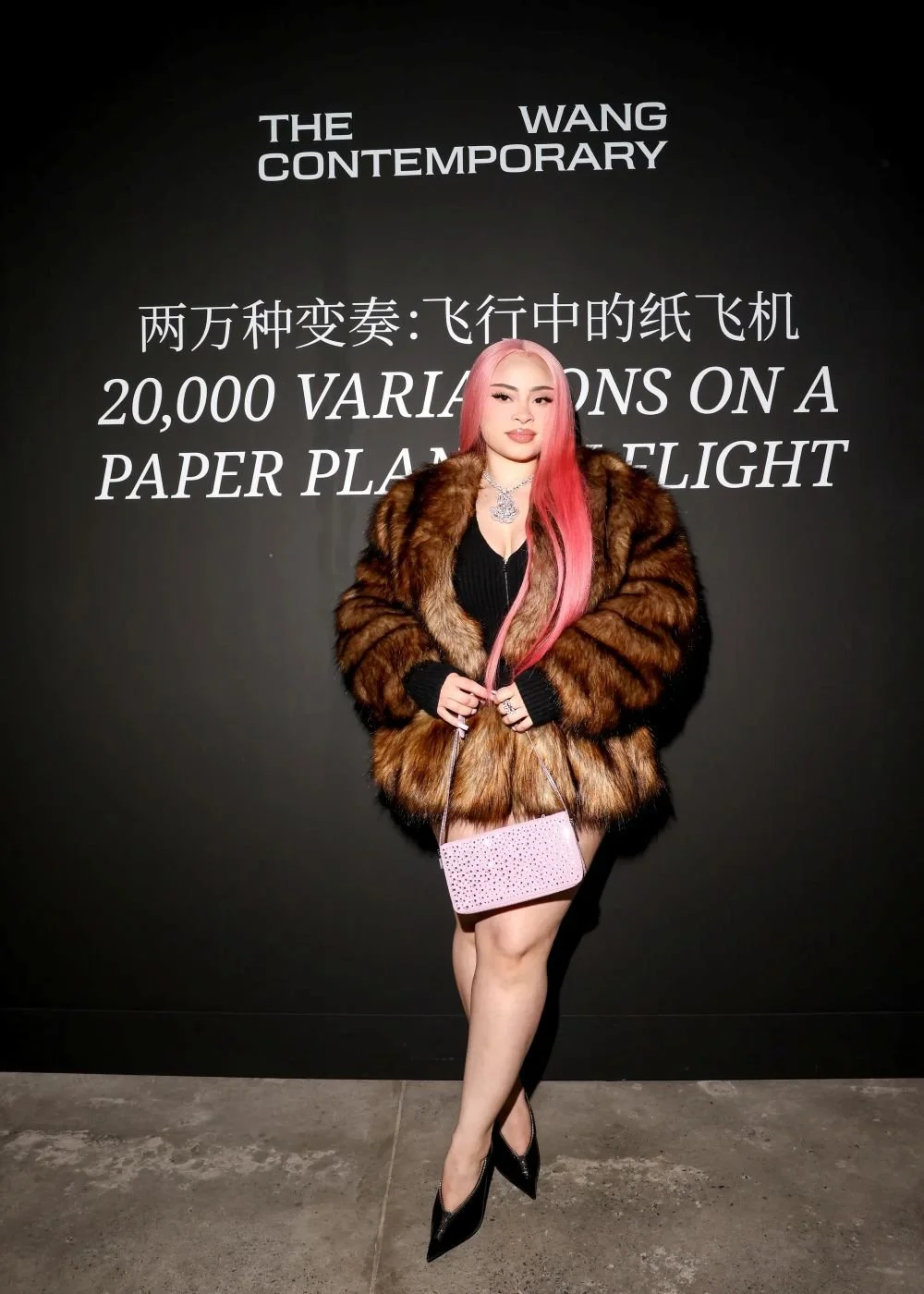
Ice Spice
Success, or just good optics?
The Wangs insist the project is for the neighborhood as much as for the global art-tourist circuit, emphasizing community programming, some free events, and collaboration with local partners. If that promise holds, The Wang Contemporary could function as a rare bridge between fashion money, Asian diaspora narratives, and Chinatown's existing creative ecology, less a monument, more a working clubhouse.
If not, it risks becoming the perfect metaphor for the moment: a stunning Beaux-Arts shell, renovated at great cost, full of smart ideas and gorgeous light, waiting to see whether the audience it imagines still exists, and whether New York, in this budget cycle, can sustain another beautiful experiment.
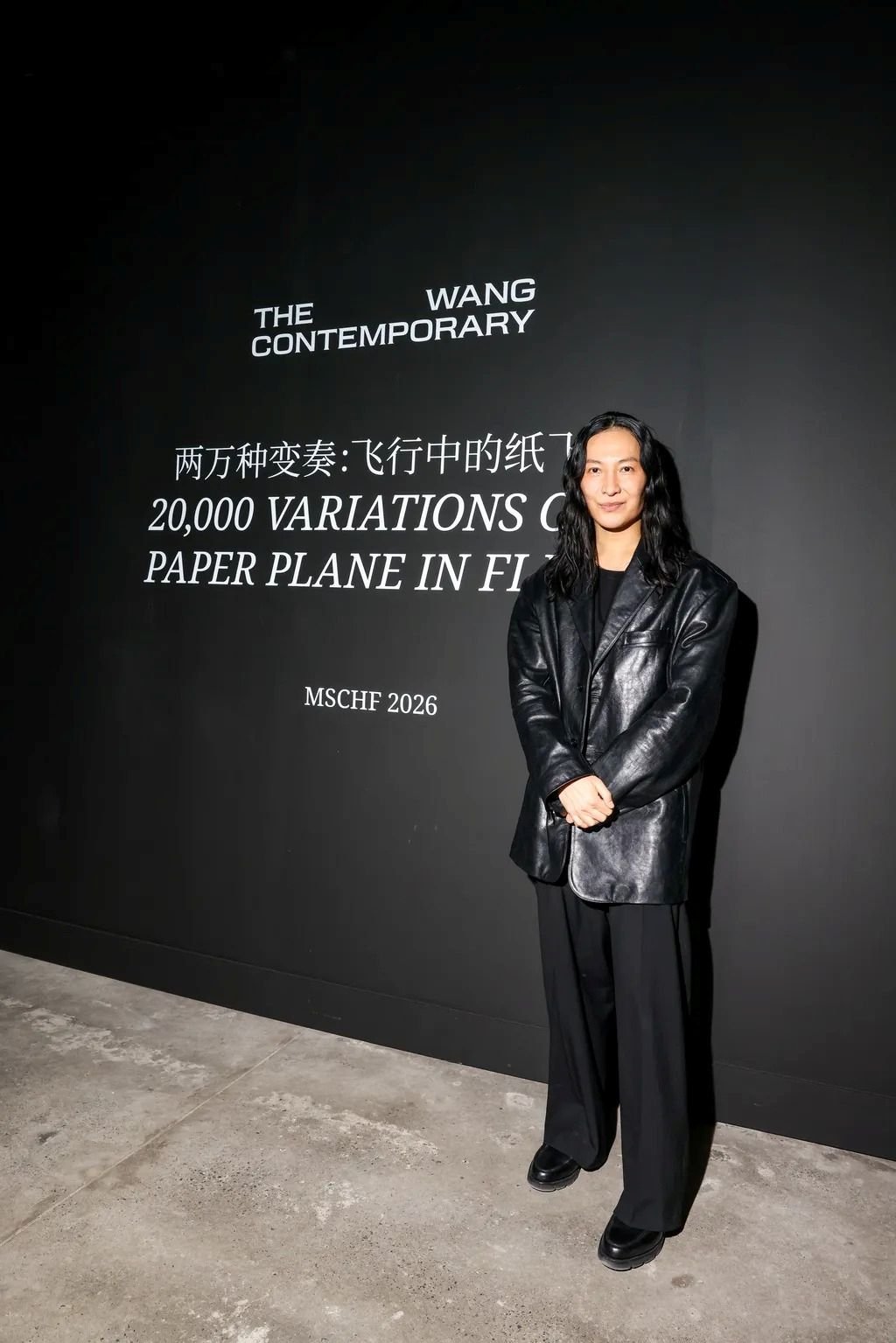
Alexander Wang
Haters will hate.
Alex Wang's new venture was always going to set the internet on fire. His name still carries the shadow of past accusations, briefly derailing his public image, even as no charges followed and the industry moved on. But not the fashion spectators behind their phone screens.
Because fashion, unlike any other industry, runs on perception, mythmaking, and an enormous dose of envy. Wang was the golden child: downtown's favorite, blessed with access, talent, and the backing of power editors like Anna Wintour and a ring of celebrity models. That mix of speed and success made controversy feel inevitable, and his rise was always scored by a quiet chorus of "why him and not me?"
What remains impossible to dismiss is the work, the talent, and the playfulness Alex brings. The same instincts that once turned parties, casting, and clothes into a fully formed world are now being channeled into a new cultural stage. Whether this chapter is allowed to stand on its own, or forever read through the lens of scandal and professional envy, is precisely what makes his latest art experiment so charged.