Everything Is Polished. Nothing Is Real. What Comes Next.
Fashion, contemporary art, and AI creativity are having the same authenticity crisis simultaneously — from NYFW's gallery pivots and Refik Anadol's DATALAND to the rising collector premium on human-made work and the Vignelli retrospective opening in Milan this March.
In the infinite aisle of the Park Avenue Armory, better known as the stage for highbrow gatherings like Salon Art + Design and The Winter Show, 2,000 LED panels hung like a futuristic chandelier, flickering in feverish harmony. The installation didn’t reprise last year’s Imhof Romeo and Juliet or indulge in nostalgia, it was Khaite’s new-world canvas, a digital cathedral for a slightly frostbitten NYFW audience.
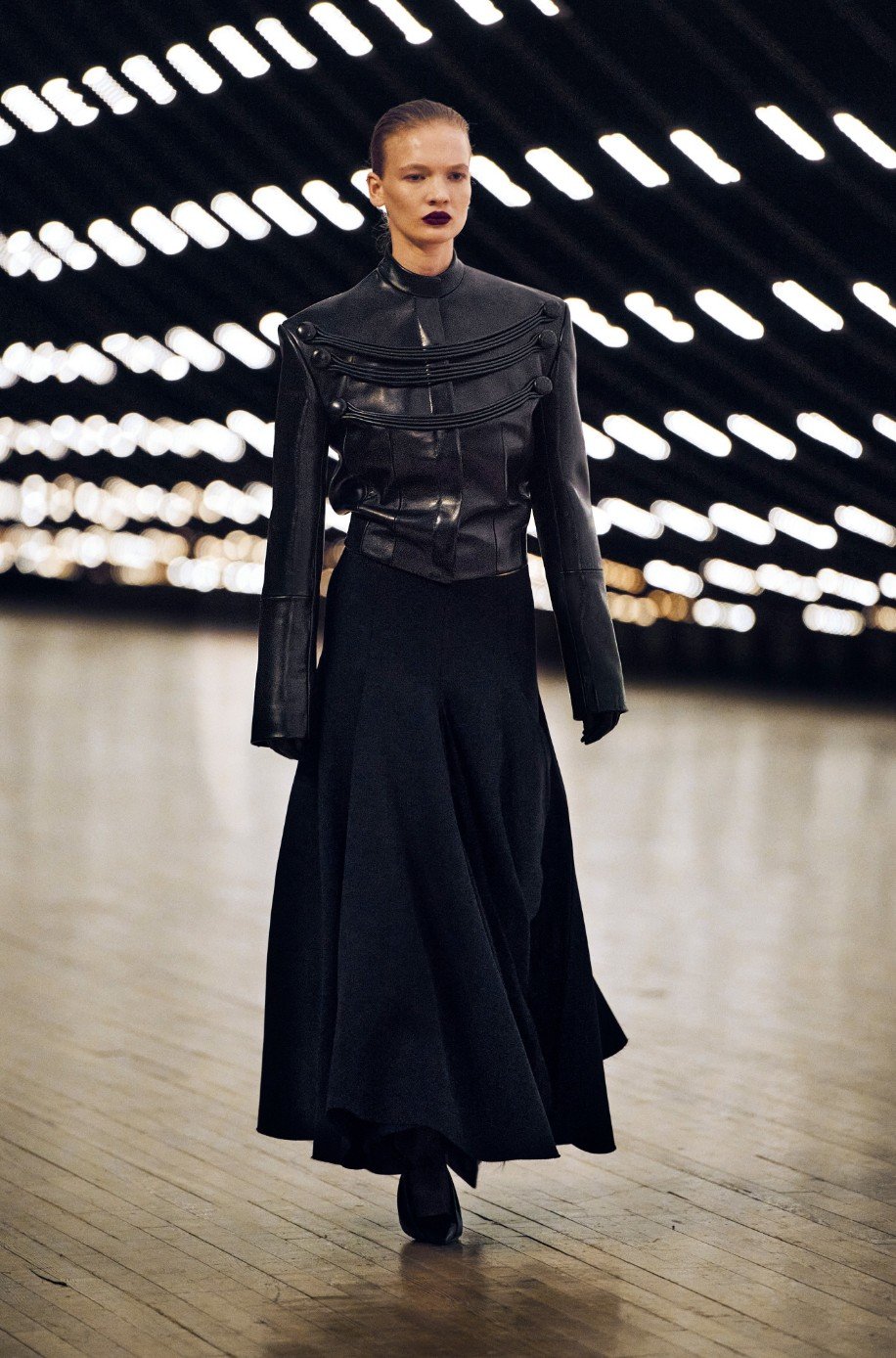
Khaite AW26 runway show at Park Armory
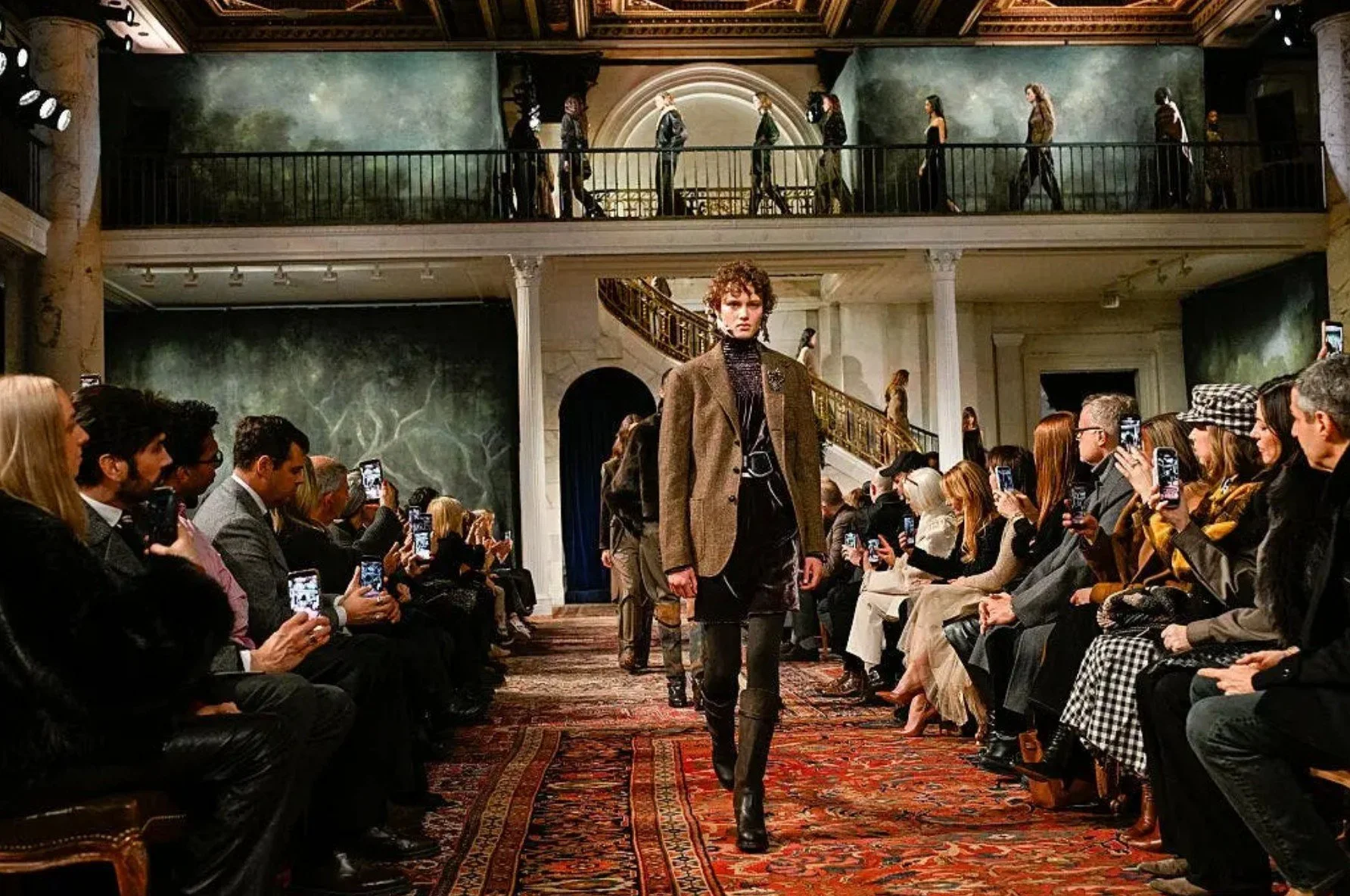
Ralph Lauren AW26 runway show at Jack Shainman Gallery in Tribeca
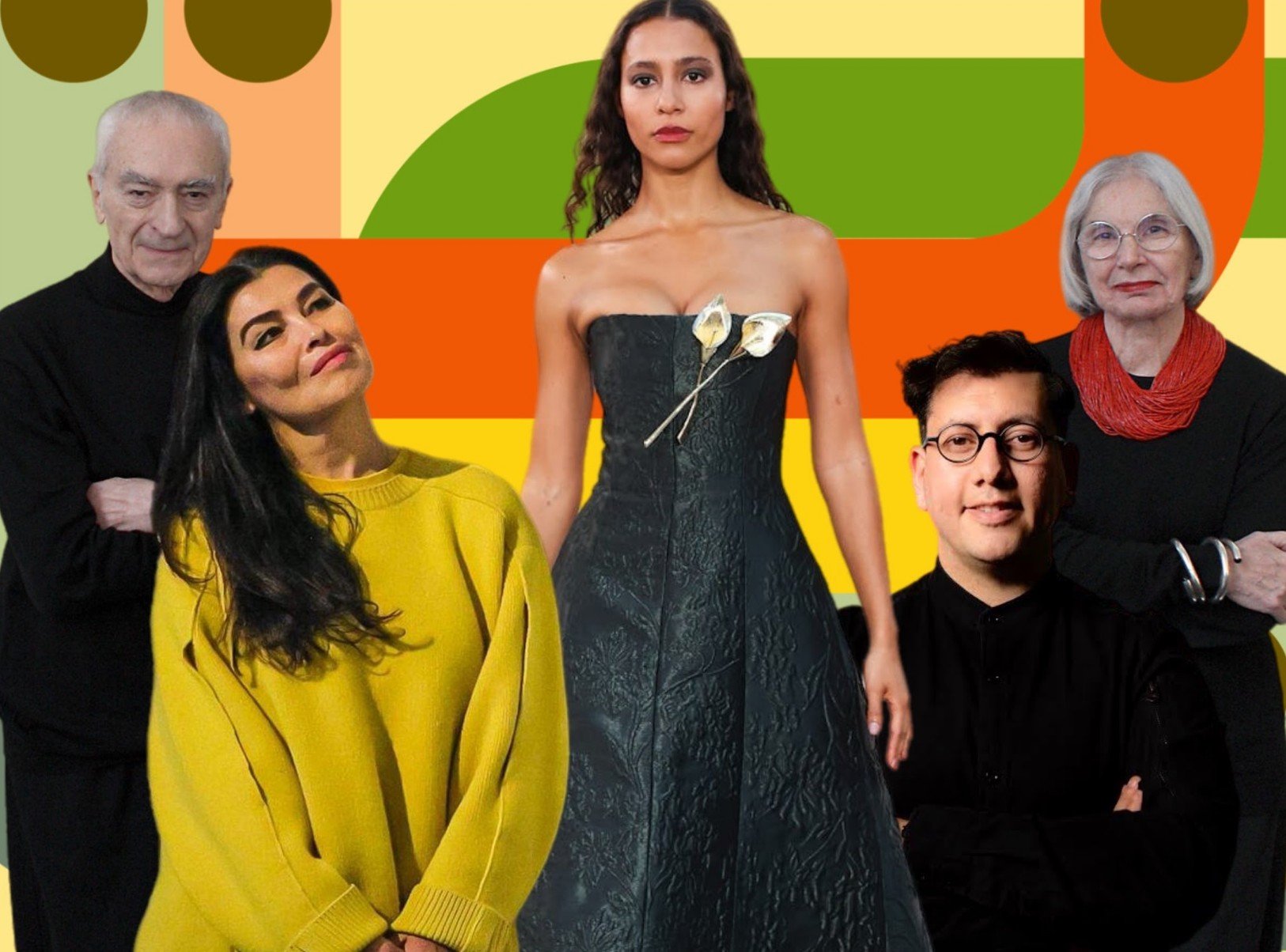
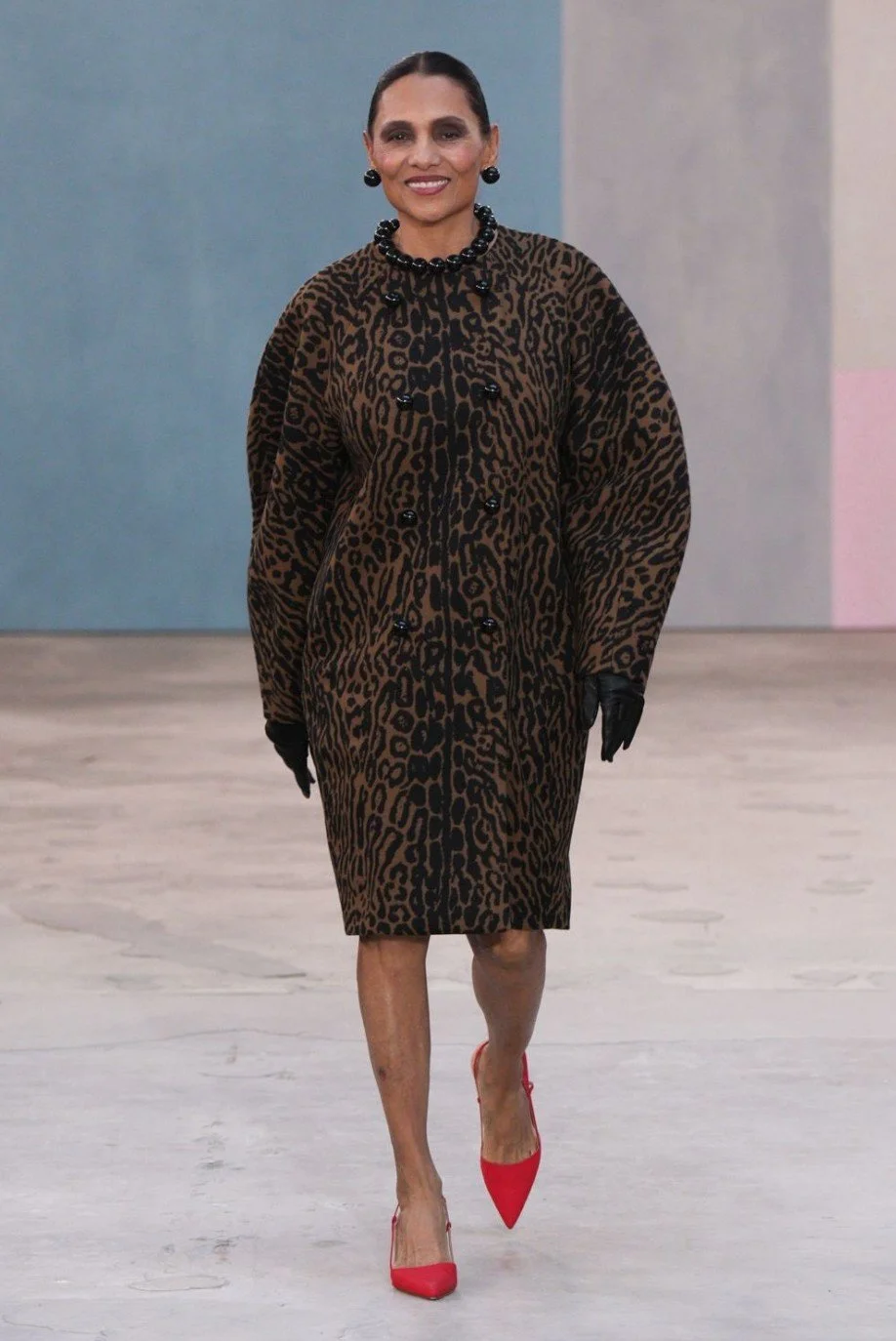
In the heart of Meatpacking, Wes Gordon was turning the Carolina Herrera runway into a living gallery with Amy Sherald, Rachel Feinstein, Ming Smith, Eliza Douglas, and Hannah Traoré striding against Sarah Oliphant’s painterly dreamscapes. At Dia, Ulla Johnson baptized her collection in ethereal palettes while Ralph Lauren staged an “antique-contemporary” resurrection amid Jack Shainman’s Tribeca gravitas. Across a city glazed in winter light, the old courtship between art and fashion no longer waltzed in subtle harmony—it was performing a miraculous split on a precarious rope.
Photographer Ming Smith
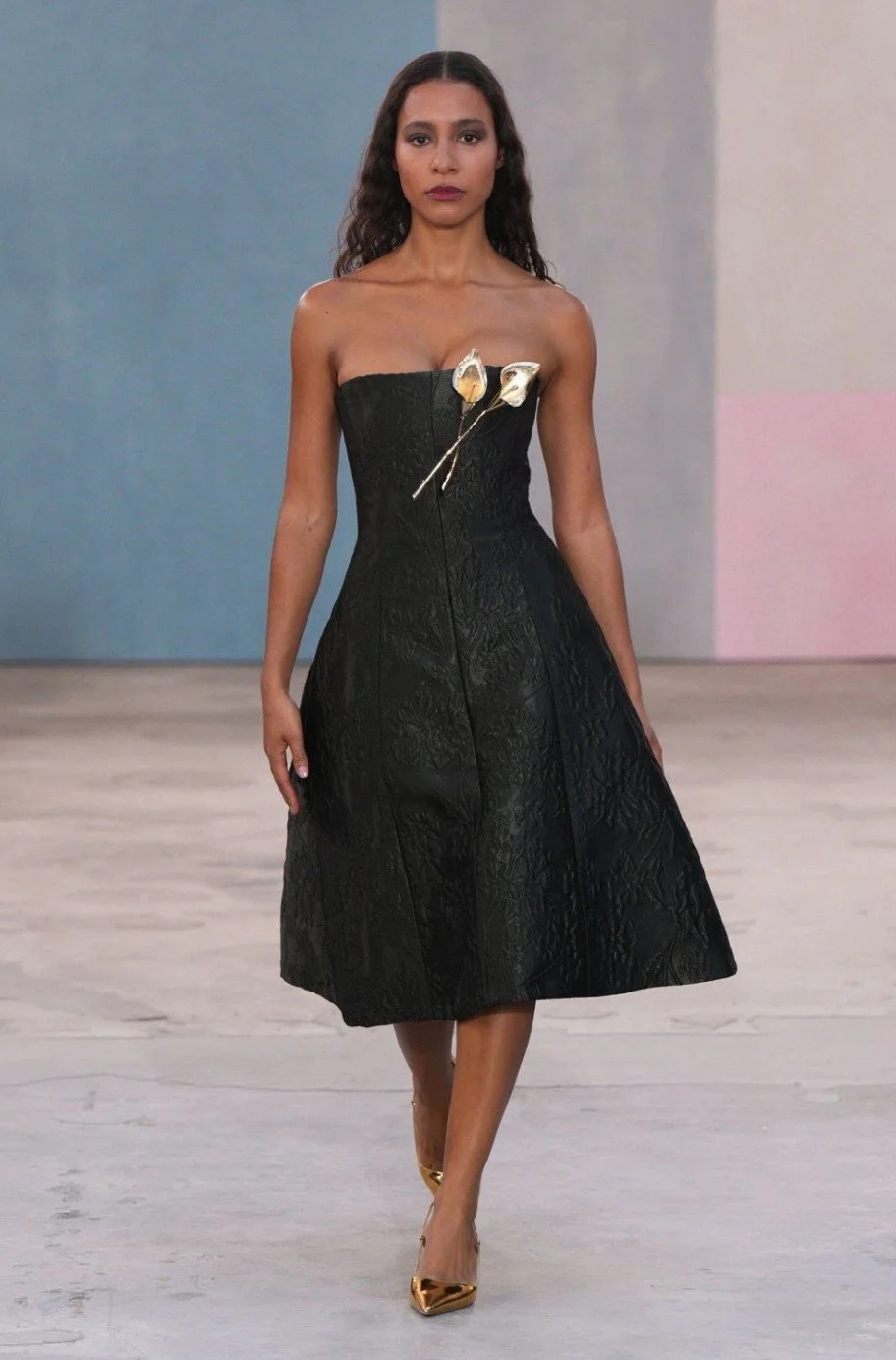
Artist Hannah Traore
What once felt like a shared language of experimentation has begun to sound more like a choppy PR blurb: fashion borrowing art’s gravitas the way it borrows vintage silhouettes. And yet, art itself seems hardly in a position to lend. With technology tugging at its relevance and markets craving novelty over meaning—detouring into the ostentatious sands of the Qatari Peninsula—the art world has become a polite carousel of empty curatorial gestures and sales-driven sameness.
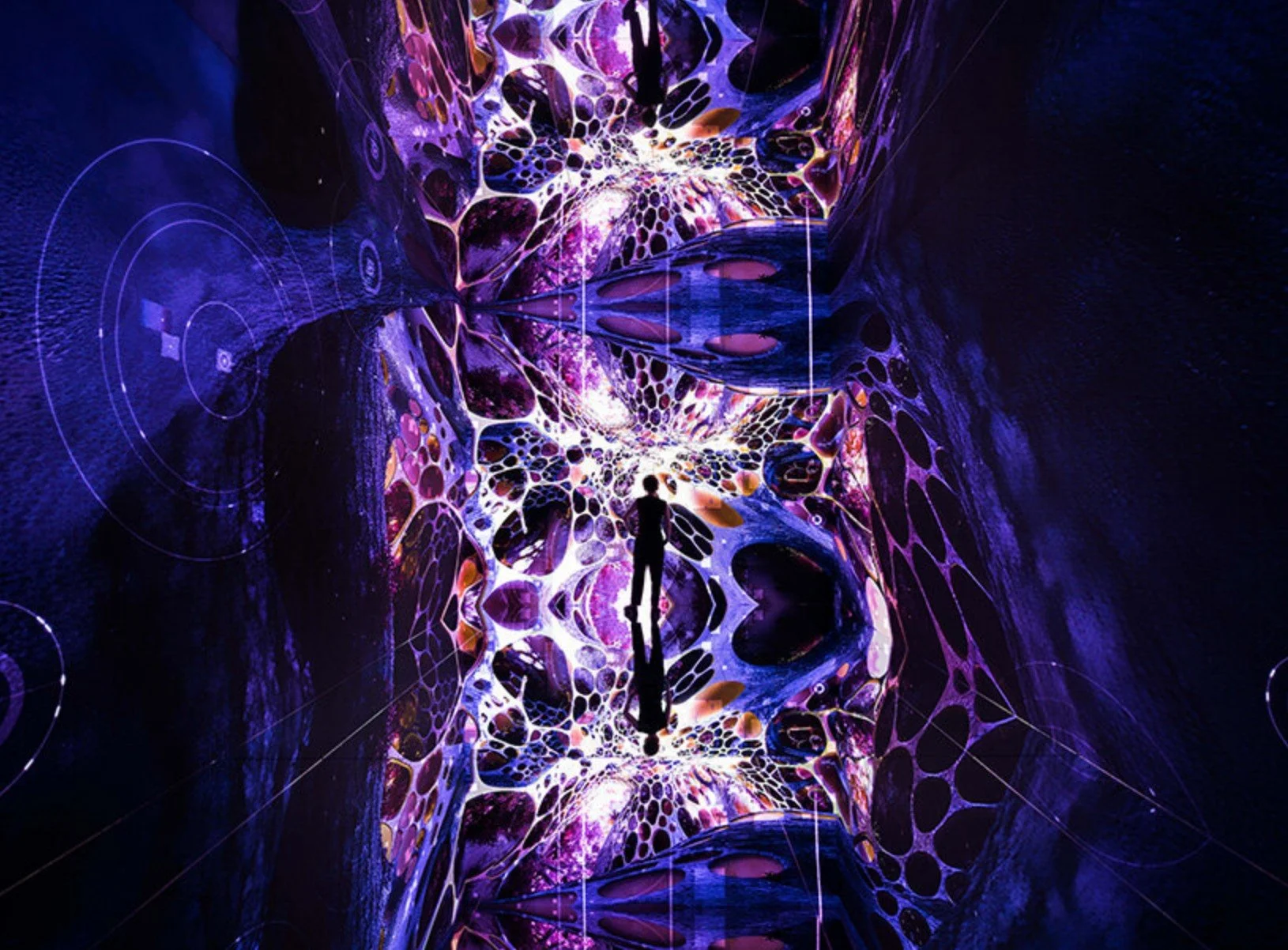
Infinity Room - DATALAND AI museum
Meanwhile, “60 Minutes” has anointed Refik Anadol, officially turning “DATALAND” into a household name. Yes, Anadol is wrapping up his most ambitious project yet—a 20,000-square-foot AI art museum set to open in downtown Los Angeles this March. Visitors will step into a hyper-sensory experience that mixes scent, sound, and projection into a neural fever dream. "I believe, [in] human-machine collaboration. We are really completing that bridge where I feel like most likely where we are going as humanity, and just be sure that it's done right, that it's shared right, and celebrate this new age of imagination."
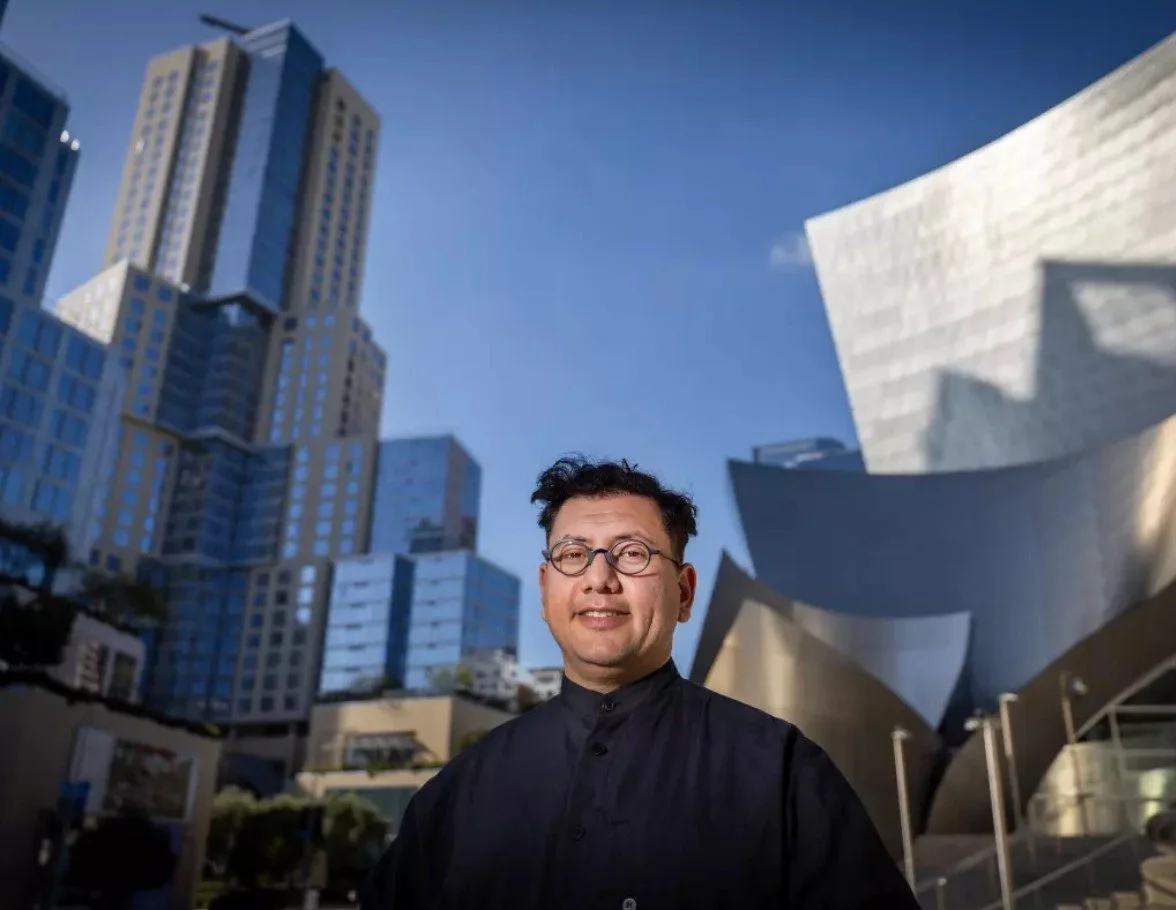
Artist Refik Anadol
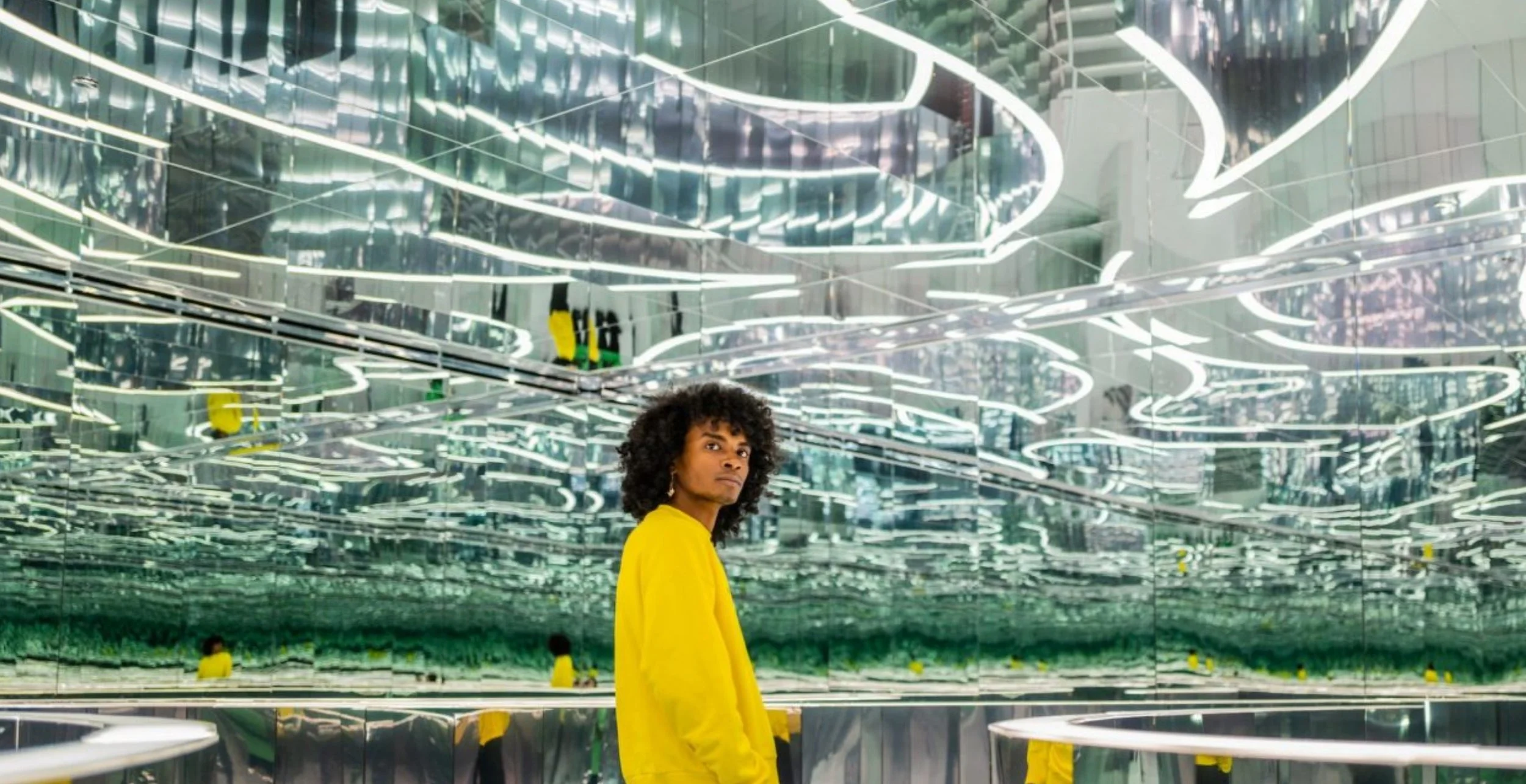
Forest of Us - Es Devlin’s large scale installation at SUPERBLUE
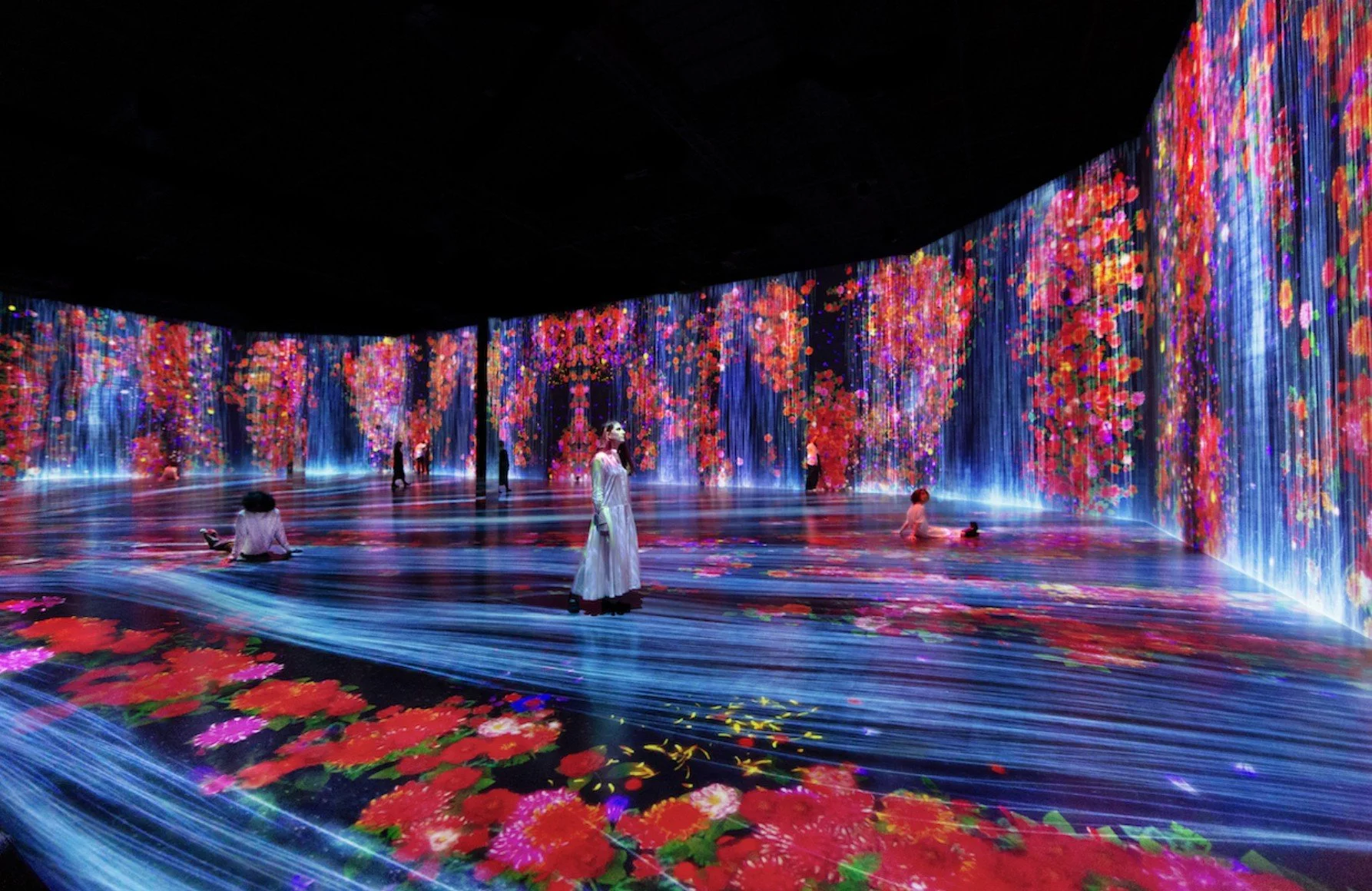
Flowers and People by teamLab - a major interactive digital installation
But let’s not kid ourselves, this isn’t new territory. Immersive art has leaned on tech for over a decade: from teamLab’s visionary worlds and Es Devlin’s luminous stage sculptures to A.A. Murakami’s atmospheric chambers, Superblue’s large-scale spectacles, Beeple’s robot dogs, and that never-ending parade of “immersive Van Goghs.” Somewhere in that overstimulation, the difference in vision quietly disappeared.
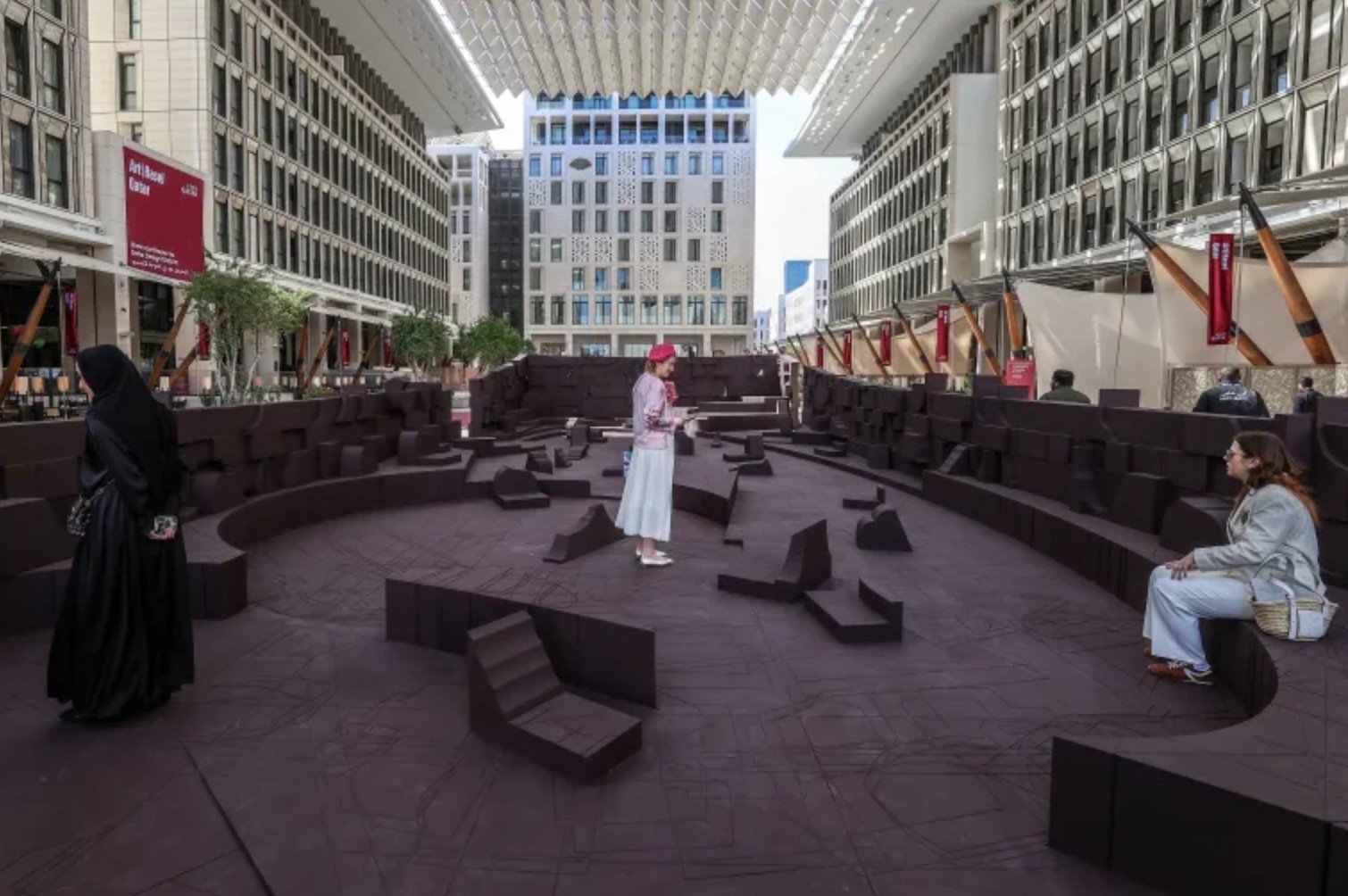
Sumayya Vally’s sound installation at a Msheireb courtyard at Art Basel Qatar
While institutions chase digital clouds, a new collector class is forming. Younger buyers, many of them women with better instincts than their advisors, are steering capital toward hybrid formats and digital-native artists. Crypto alumni, heirs, and newly minted tech millionaires now fill the vacuum left by cautious boomers. Yet beyond the digital dazzle, the true test of relevance may be who can still dive deep—into originality, imperfection, and those ruptured inner places AI can’t quite touch.
As Jerry Saltz recently noted, “AI is still in its infancy.” Perhaps, but this is an infancy on speed and steroids, evolving faster than its critics can keep up. And the irony remains: the moment an idea earns a “60 Minutes” segment, the cultural elite has already left the building.
In our endlessly filtered present, fashion, art, and AI are all having the same existential crisis of authenticity. Fashion resolves it by borrowing art’s aura. AI art solves it by sprinting into the mainstream before the backlash catches. And the market, of course, does what markets do best: it monetizes what can’t be replicated. The human hand isn’t a style choice anymore. It’s the last defensible luxury.
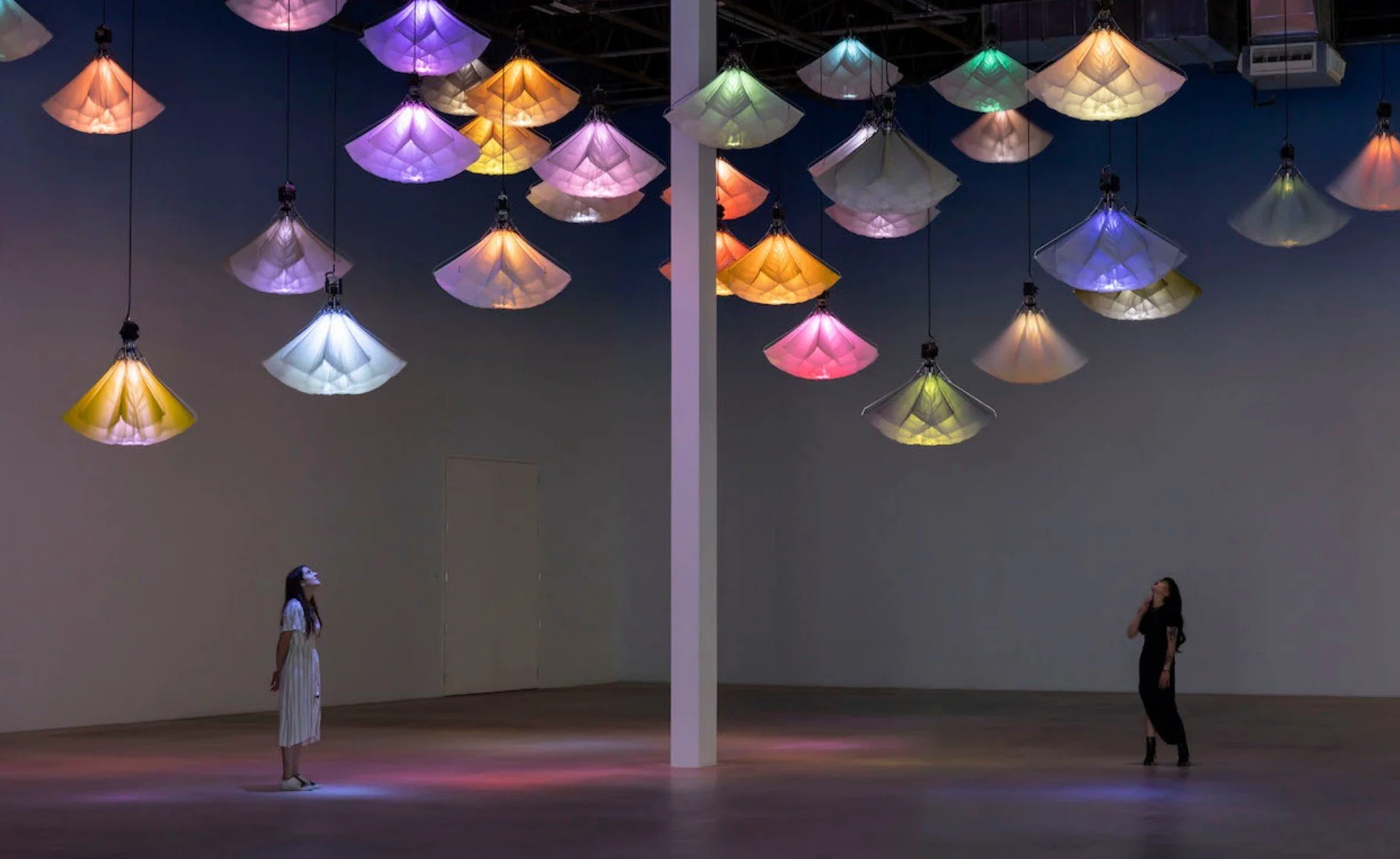
Meadow by Drift
So what’s next? Maybe the only way forward is back. In an era when design risks drowning in AI-generated slop, Massimo and Lella Vignelli, champions of the belief that good design should be both invisible and eternal, suddenly feel subversive again. From the brains behind New York City’s subway map and signage system to Bloomingdale’s now-iconic “Big Brown Bag,” Knoll’s minimalist furniture, and the serenely radical interior of St. Peter’s Church on Lexington Avenue, the Vignellis shaped visual culture so profoundly that their imprint often vanished into the fabric of daily life. This March, Triennale Milano opens a major retrospective honoring their enduring influence on international design and graphic culture.
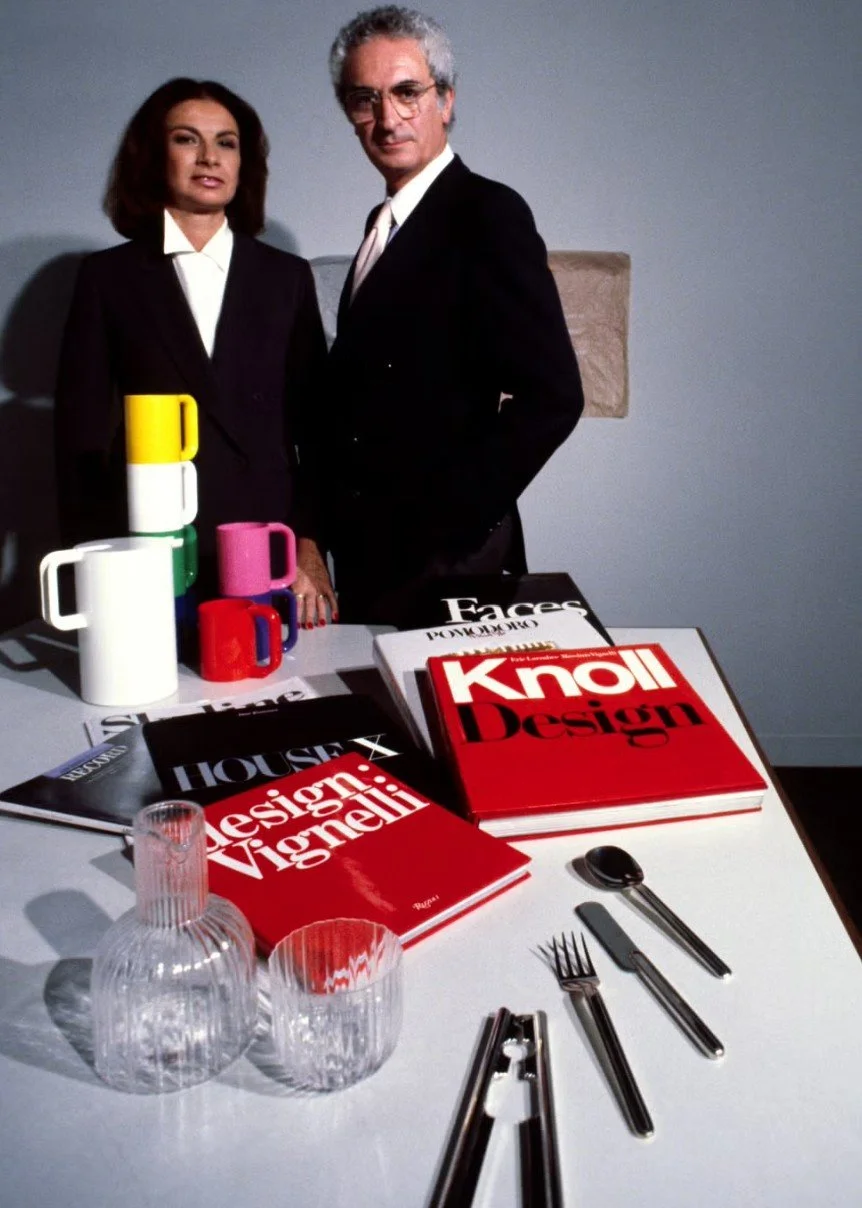
Massimo and Lella Vignelli with Knoll. The architects of invisible design — Triennale Milano retrospective opens March 2026
The intersection of art and fashion has always existed. Immersive experiences have always existed. What’s new is the faint panic underneath it all. When every collaboration feels like a credibility transaction and every AI artwork reads like a glossy ad campaign, the underground doesn’t have the luxury of waiting. It just has to start making things by hand again.
What does the next wave look like—and does it even want to be found?