Zona Maco, Up Close
Where to look, insider insights, what matters this year.
text: aleksandra dinic images by: britt kubat
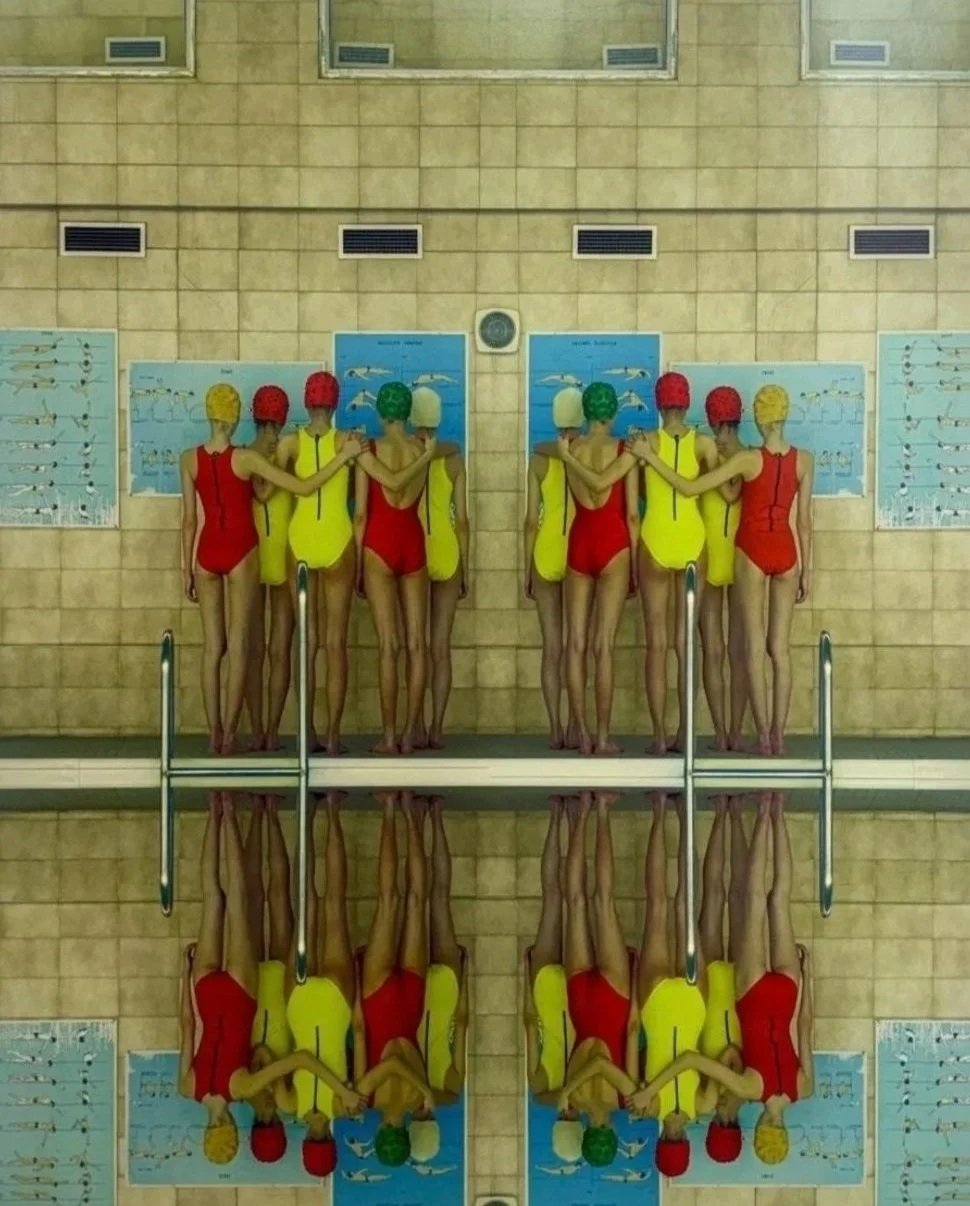
Maria Svarbova - Big Group, Girl power 2018
As the art fair season kicks off, our eyes turn to Mexico City, where ZⓈONAMACO returns to Centro Banamex for its 22nd edition (4–8 February), anchoring the city’s art week and affirming its place among the world’s leading fairs. Over 200 galleries from 26 countries gather under one roof, drawing the world’s collectors, curators, and dealers into a show that has evolved impressively under its innovative founder, Zélika García.
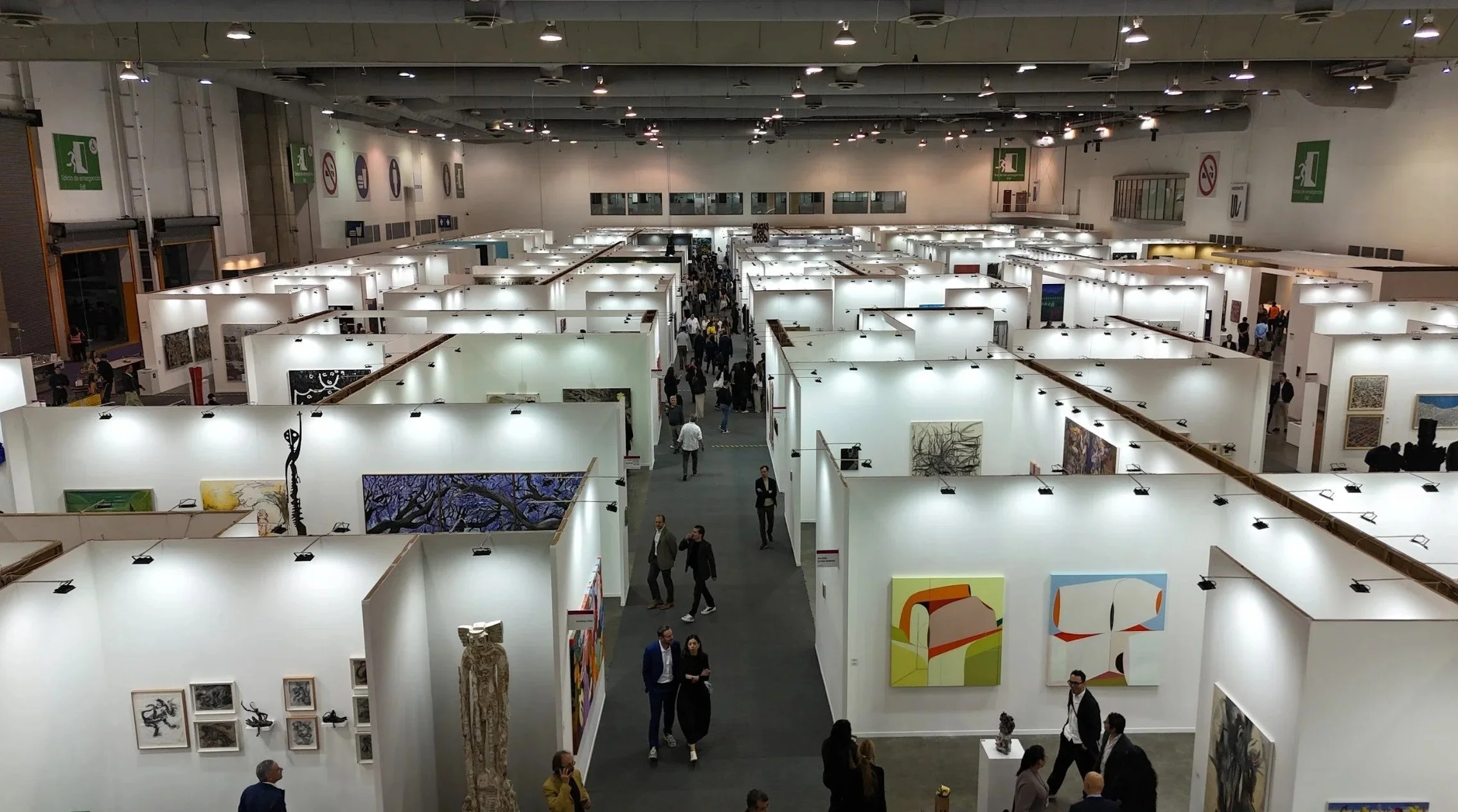
This year’s edition feels especially energized: the showcase spills into the wider city, with galleries staging ambitious projects, a strengthened Conversations program, and FORMA—a new initiative within the Main Section spotlighting the crosscurrents of art and design that allows visitors to pause and engage inter-disciplinary works. EMERGENTE is revamped and has been expanded into its own specialized niche incorporating almost 50 designers, empowering a tsunami of talent with an elevated cache.
Currently Mexico City is amped like never before, surging with a cosmopolitan energy—talks, satellites, dinners, personalities and performances that imbue the city with unique dialogues and interesting dialectics. As ever, the sheer volume can be overwhelming—even for seasoned aficionados navigating the city’s dense thicket of exhibitions, events and overlapping ecosystems.
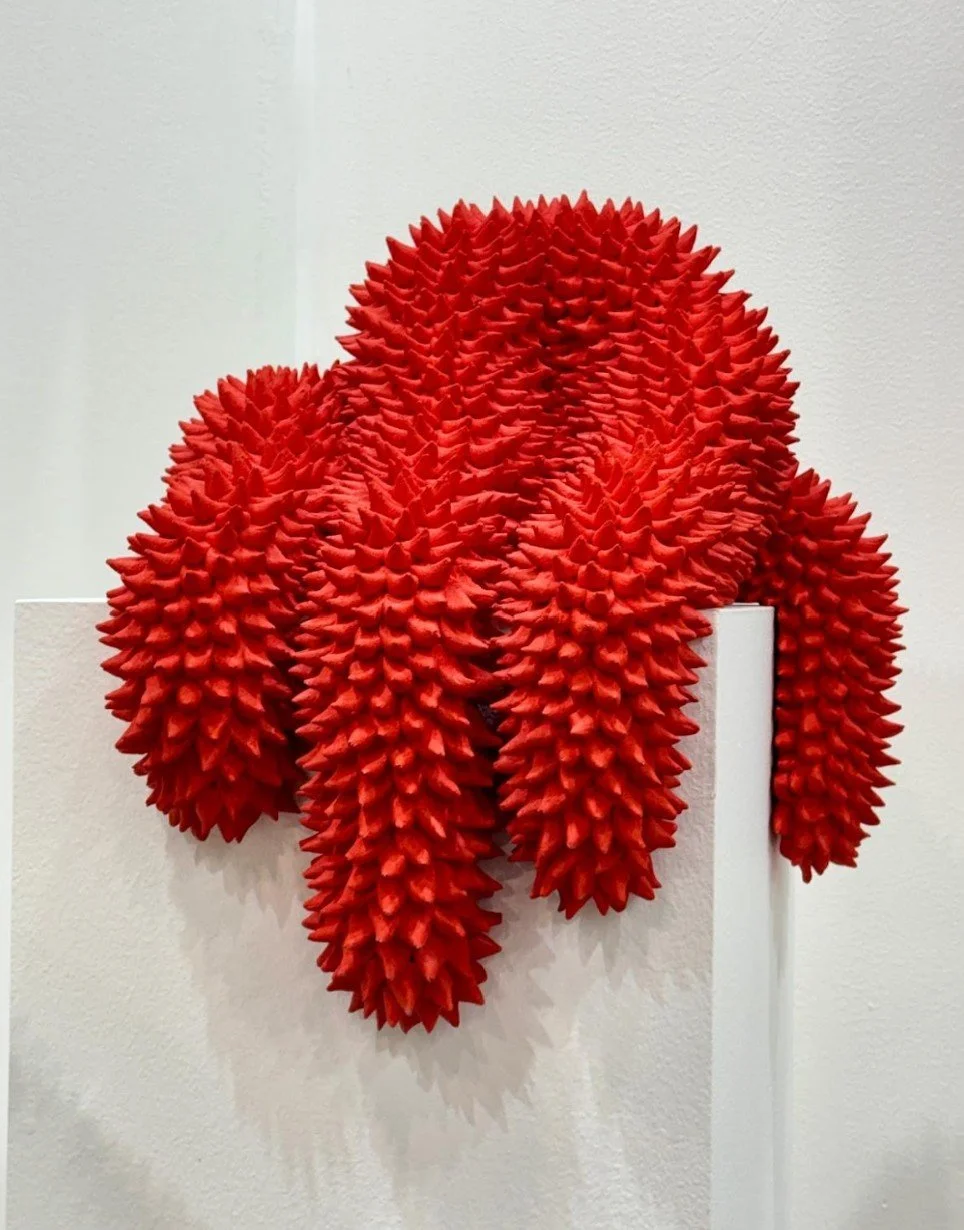
Andrés Anza
We caught up with ZⓈONAMACO’s Artistic Director, Direlia Lazo, who has shaped the fair’s evolution since 2023 and has spent the last decade tracing the contours of the contemporary creative world—biennials, institutional programs, and the interstitial spaces in art. Below she unpacks her perspective, providing novel and inspiring insights into Mexico’s coolest art jamboree.
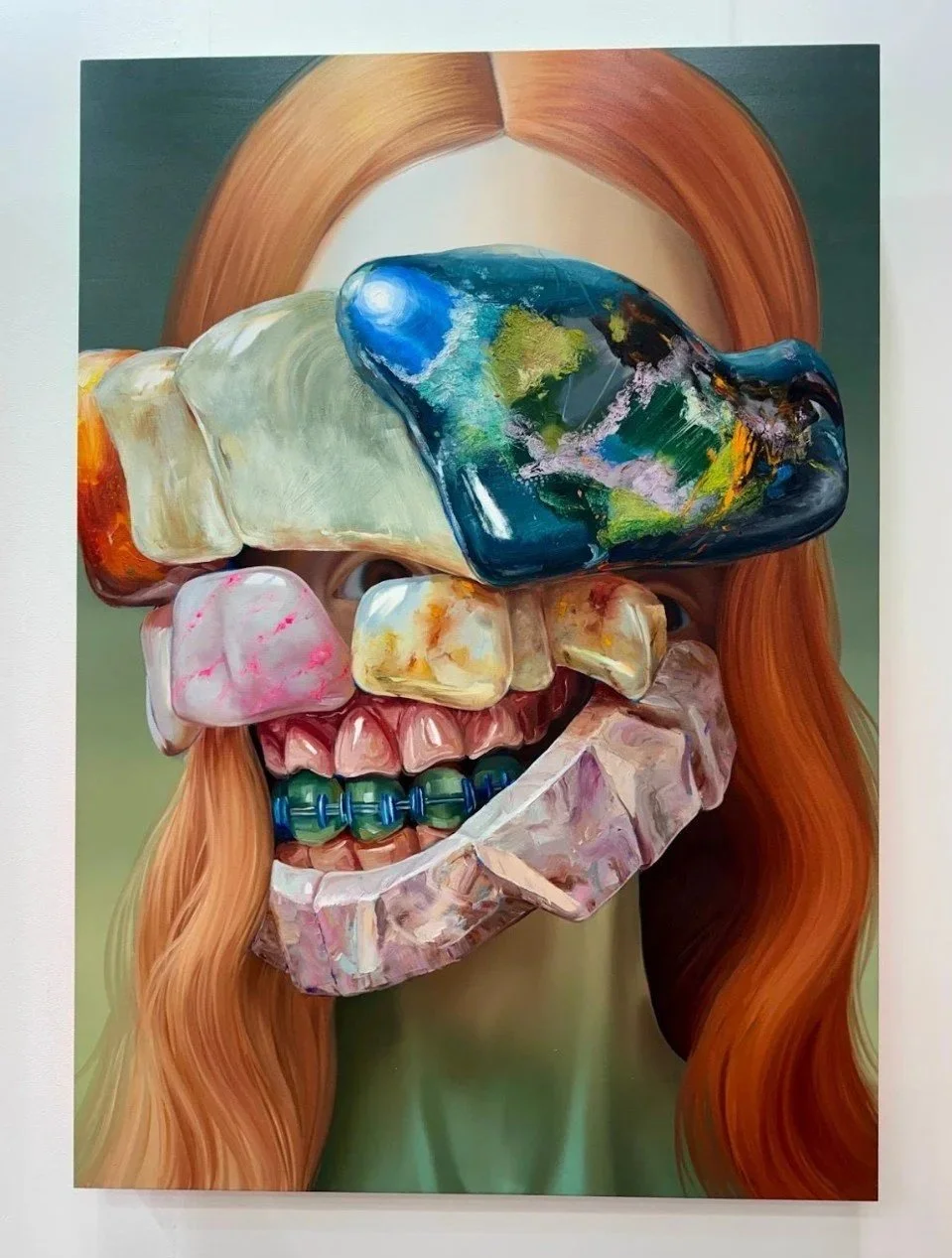
Horacio Quiroz
You’ve worked across major institutions and biennials, championing emerging Latin American artists and connecting the region to a wider global conversation. How has that trajectory sharpened your eye for new talent and shaped your vision at ZⓈONAMACO?
My curatorial work has definitely shaped how I approach the fair. Everything starts with the artist. Coming into this role, my focus has been on strengthening the conditions for artists to succeed—by creating more opportunities for galleries to expand the reach of their programs and connect with different audiences. That’s reflected in the balance between a strong Main Section and the curated sections, which allow us to address current realities, introduce younger generations of artists, and offer more contextual, focused presentations alongside the market.
This year’s fair spans 220+ galleries, new sections, a Conversations program, and city-wide activations. How long does it really take to build one edition?
A full year—at minimum—and really, it’s a continuous strategy. Some collaborations take years to come to fruition and only materialize in a single edition. It requires patience, long-term dialogue, and trust. This year feels especially strong because the program extends beyond the fair itself, with galleries presenting ambitious projects throughout the city. It creates a sense of momentum that’s contagious—we’re all very much looking forward to this week.
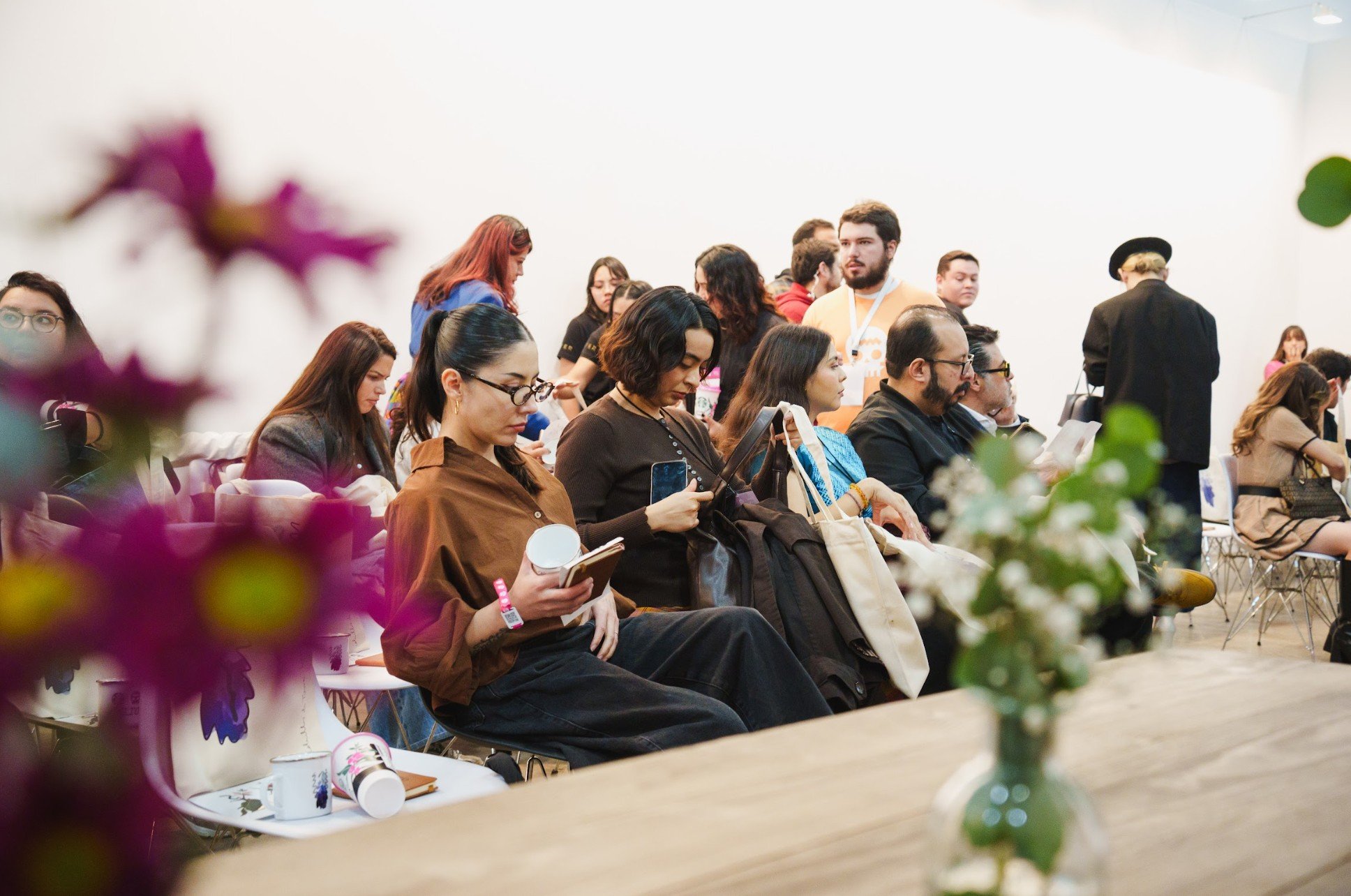
For collectors and fair veterans, what are the must-see essentials at ZⓈONAMACO 2026?
The curated sections, especially EJES and SUR—the themes change every year, there’s a constant rotation of galleries, and they always offer a fresh perspective. The Conversations Program is also essential, particularly Simone Fattal in conversation with Fundación Jumex. And on the institutional side, Félix González-Torres at Las Cuadras is unmissable. In terms of collecting discourse, having Celia Birbragher join the conversation this year is very special—she’s a key figure in shaping the international visibility of Latin American art. This year, we’re also introducing FORMA, a new initiative within the Main Section that brings together galleries working at the intersection of art and design, expanding the conversation around materiality and contemporary practice.
Which artists or presentations feel like the “pay attention now” moments of this edition?
What excites me most is seeing how galleries are taking risks—introducing younger artists alongside more established practices, and presenting ambitious, thoughtful projects both inside the fair and across the city. There’s a strong generational dialogue this year. Among established galleries, I would highlight Kurimanzutto, Proyectos Monclova, Eckhardt Flórez, Terreno Baldío’s solo presentation of Aurora Noreña, as well as booths by RGR, Zilberman, and Labor. From newer participants, Albarrán Bourdais, Andrés Thalmann, Georgina Pounds, Marianne Ibrahim, Banda Municipal, and Stems Gallery stand out, along with Max Estrella’s presentation of Rafael Lozano-Hemmer and the Carreras Mugica’s booth from Bilbao, Spain.
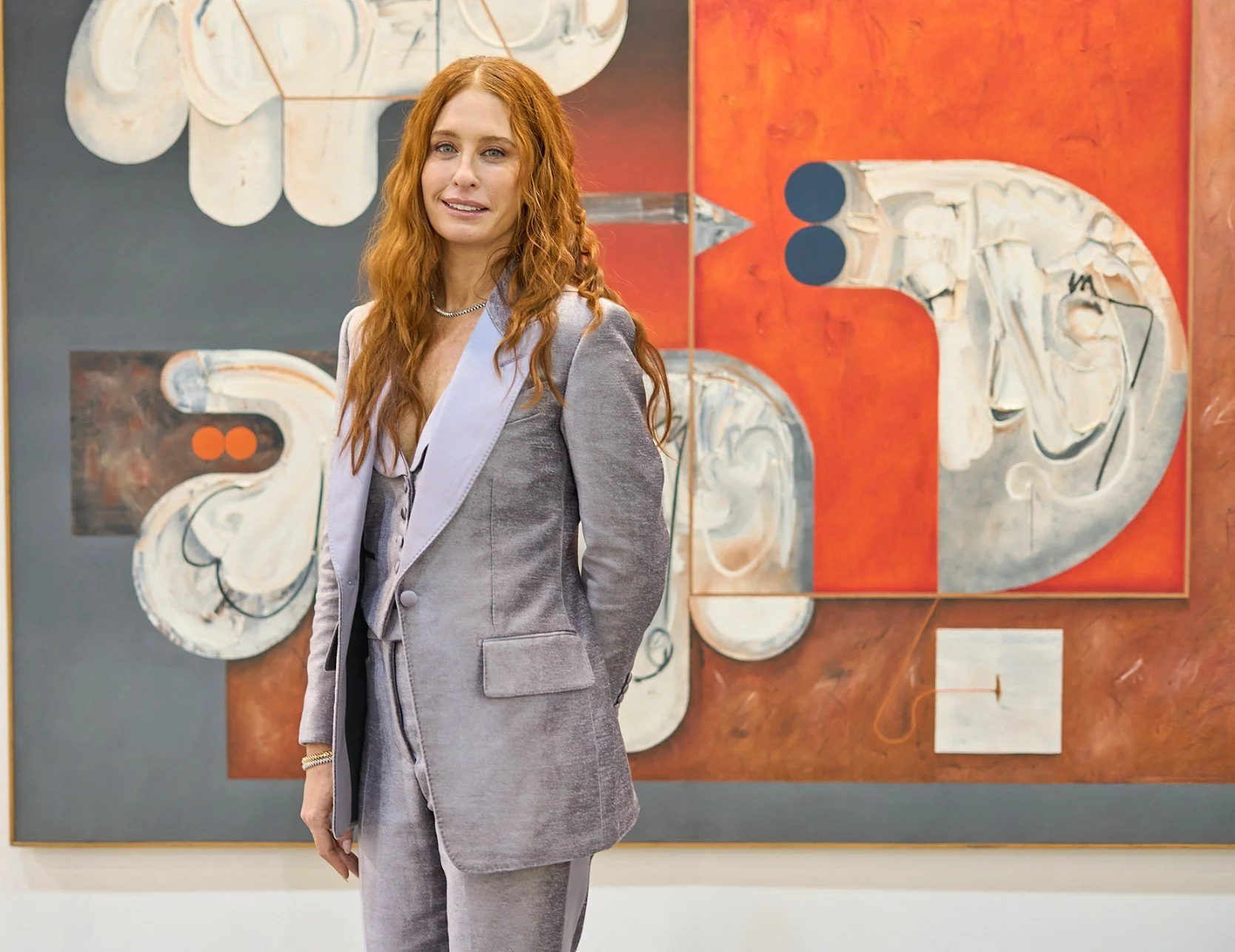
Zélika García, founder of ZⓈONAMACO. Courtesy of ZⓈONAMACO
ZⓈONAMACO was founded and is still owned by a woman, Zélika García—a rare position of power in the fair ecosystem and a clear marker of how women shape the art world’s infrastructure. Twenty‑two years on, with women now far more visible as both collectors and as artists in the primary market, how different does the landscape feel from when the fair began, and what still hasn’t moved fast enough?
Absolutely. ZⓈONAMACO is unique in the art fair landscape because it was founded—and is still owned—by a woman. Zélika García’s leadership and vision have shaped the fair from the very beginning, setting a pathway that continues to influence how we work today. The landscape has changed significantly, and women are now far more visible as artists, collectors, curators, and decision-makers. Still, visibility doesn’t always translate into structural equality. While there has been meaningful progress, particularly in the primary market, there is more work to be done around long-term representation, leadership roles, and sustained institutional support.
Where does the real after-hours energy land for you during the week?
Mostly openings. The Tamayo gala and afterparty are a classic, but personally I love Roma nights—a good gallery dinner, a drink with friends, and if you’re lucky enough to get invited to a collectors house party, you don’t say no.
The week can be pure overload—65+ openings, panels, tours, collector events. How do you personally move through it without burning out?
I spend most of my time at the fair, and I’m quite disciplined about planning ahead—especially in a city like Mexico City, where traffic is always a factor. That said, this year is different for me. I’m navigating it remotely while taking care of my newborn, which has brought a whole new rhythm and perspective to the week.
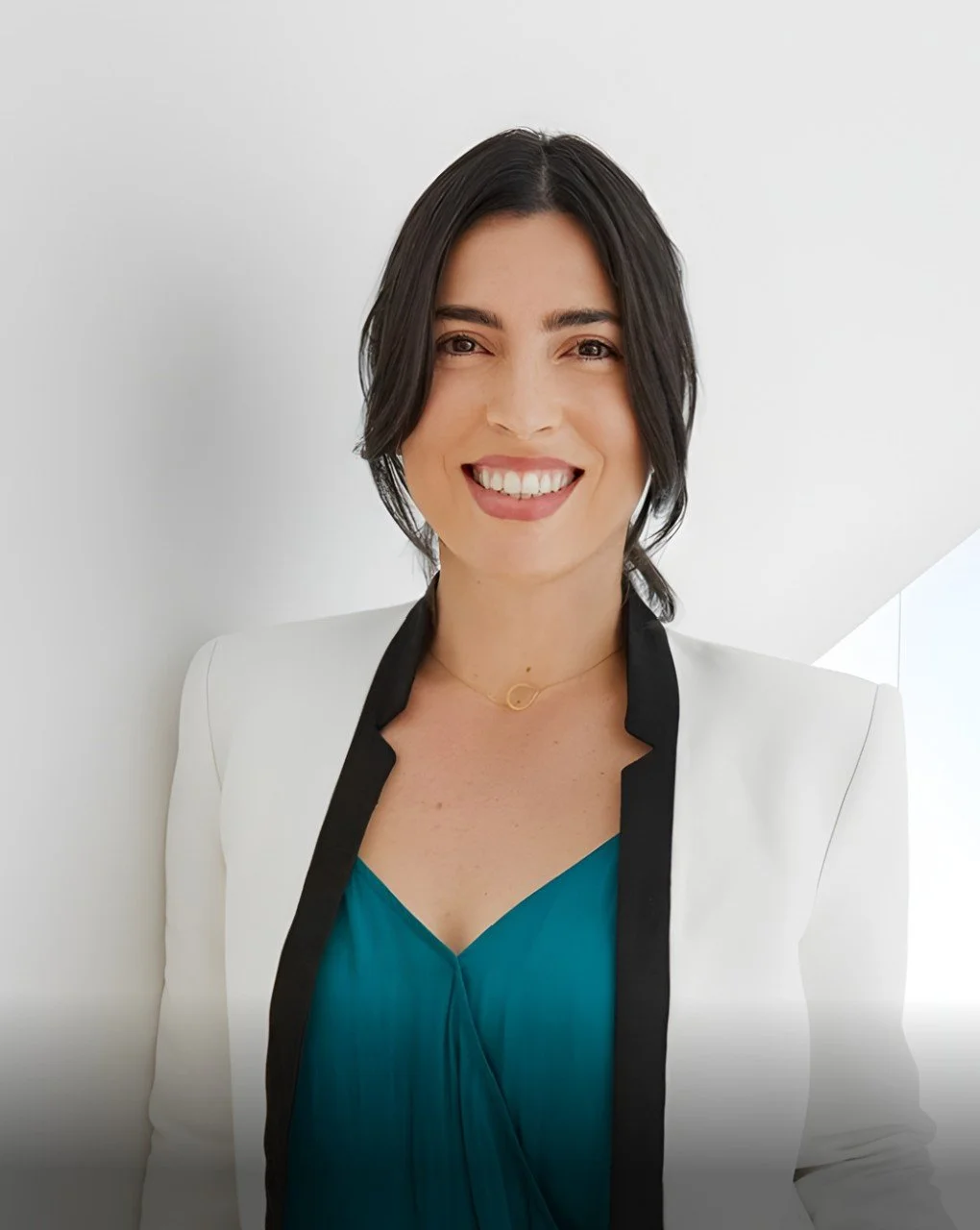
Direlia Lazo - Artistic Director ZⓈONAMACO. Courtesy of ZⓈONAMACO
That must be so overwhelmingly beautiful and very demanding. Can you share a good place that provides a moment of pause or personal space?
Ruta de la Seda in the mornings is a must. I also love Gaba, the huitlacoche tamal at Siembra, Expendio de Maíz, and the tostada de atún at Contramar—always.
AI is accelerating fast. How do you imagine it reshaping the way people discover, experience, and buy art at fairs—without killing the physical, in‑person thrill?
The physical encounter with a work of art—the moment it really moves you—is irreplaceable. AI is a powerful tool, and I’m very pro-technology, but it doesn’t replicate that visceral, emotional experience. If anything, it can expand access and information, but the in-person encounter will always remain central.
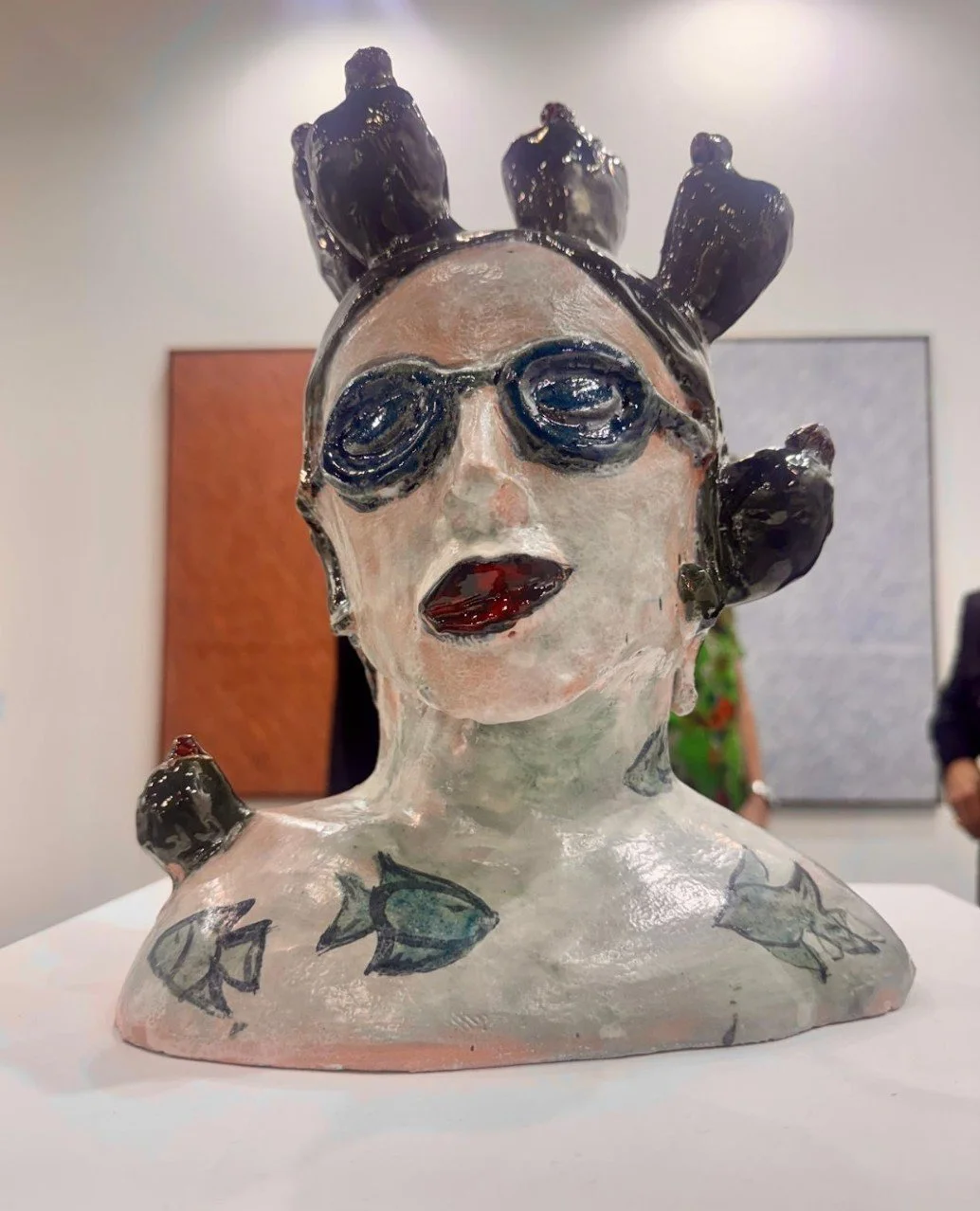
Verónica Trujillo - Sueño con aguas y mares, 2024
What about this year’s edition do you think people are underestimating?
The Conversations Program. We invest a great deal in creating a space for dialogue that goes beyond surface-level discussion—one that educates audiences and offers deeper insight into curatorial decisions and artistic practices. The Conversations Hall often becomes a moment of pause and reflection during the fair, and that depth is something not everyone anticipates—but it’s essential to the experience.
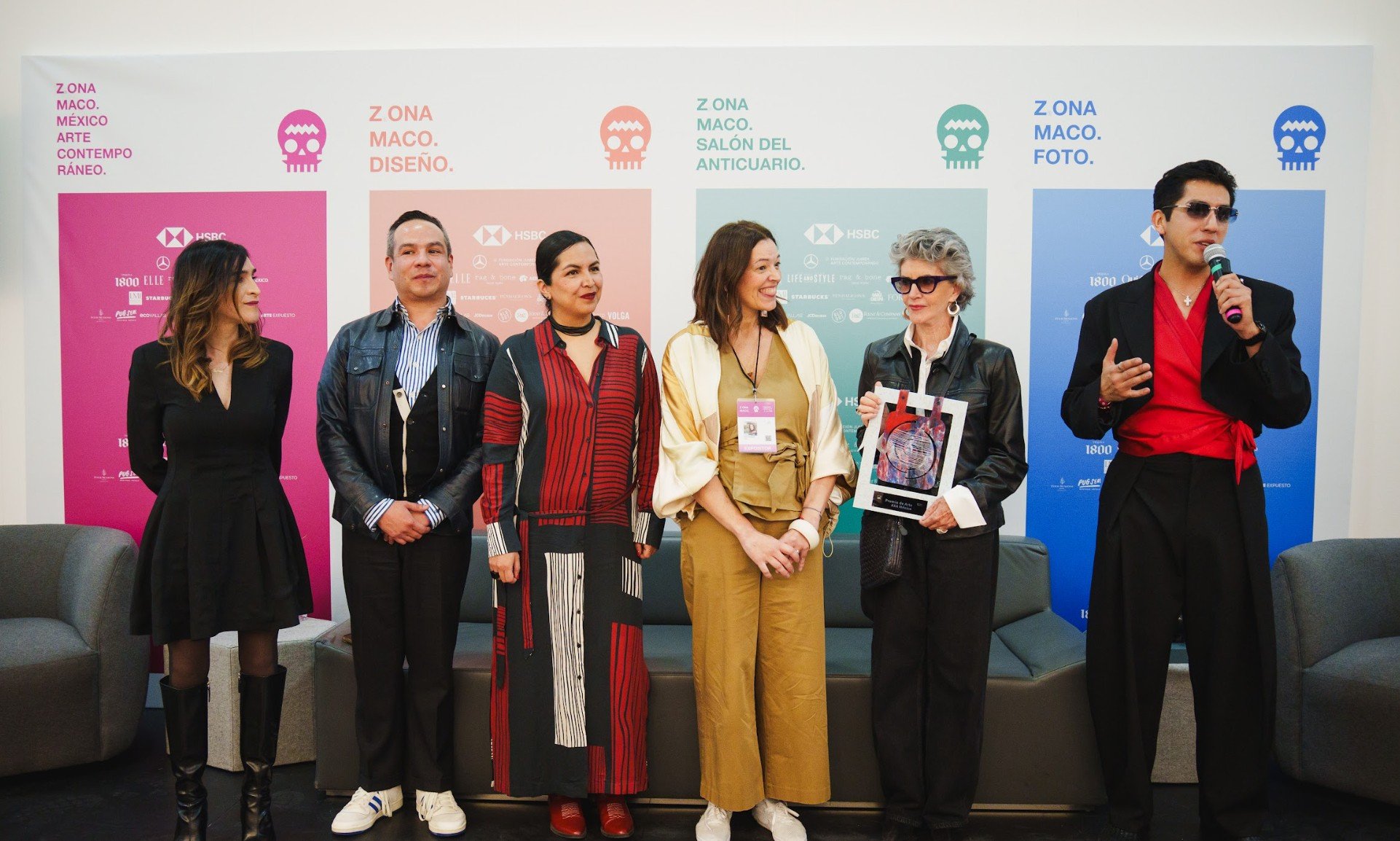
Stefanie Hartmann, Francisco Elías, Isaura Ruiz, Kerstin Erdmann, Patricia Ortiz Monasterio, and Daniel Aguirre.
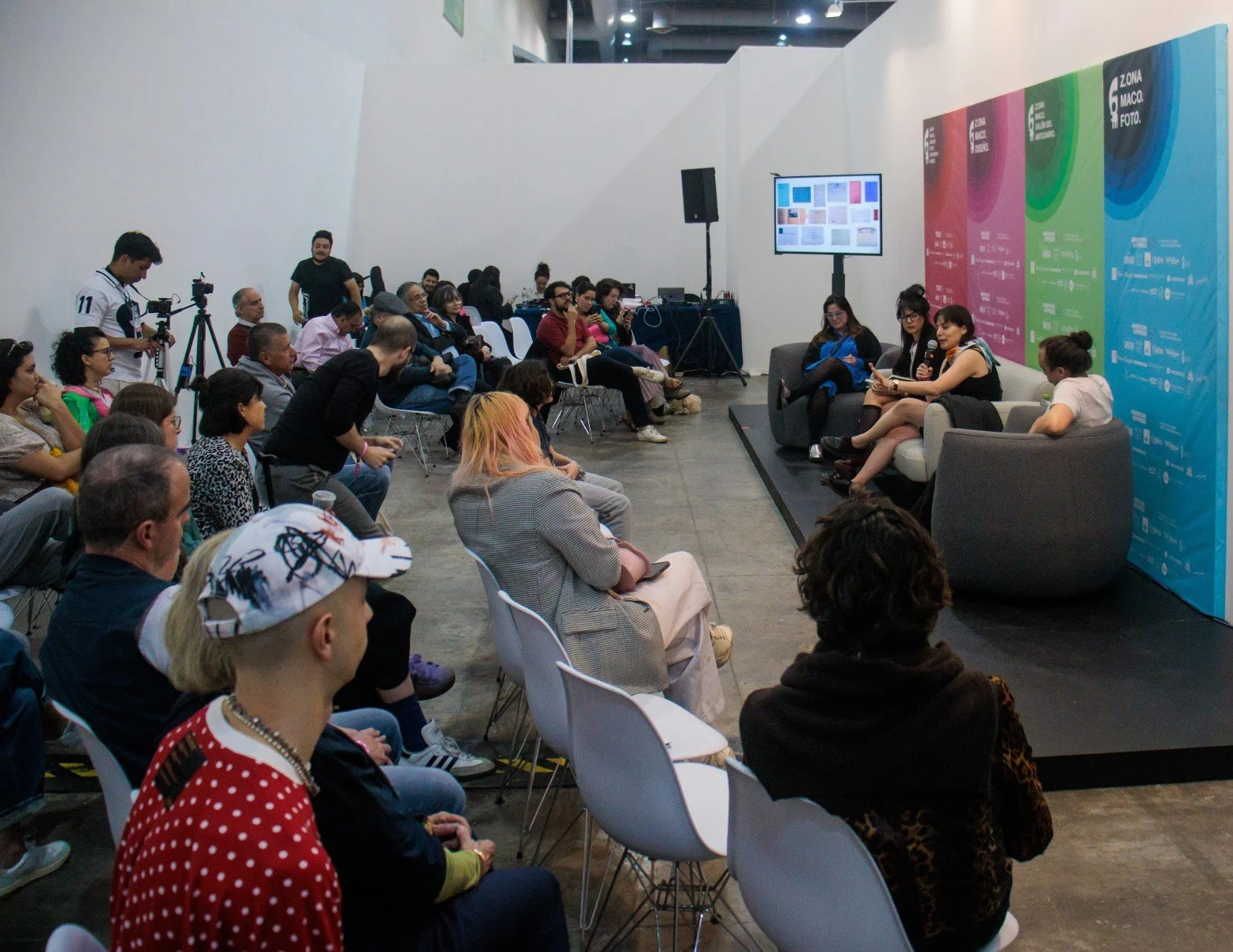
Super charging the dialogue
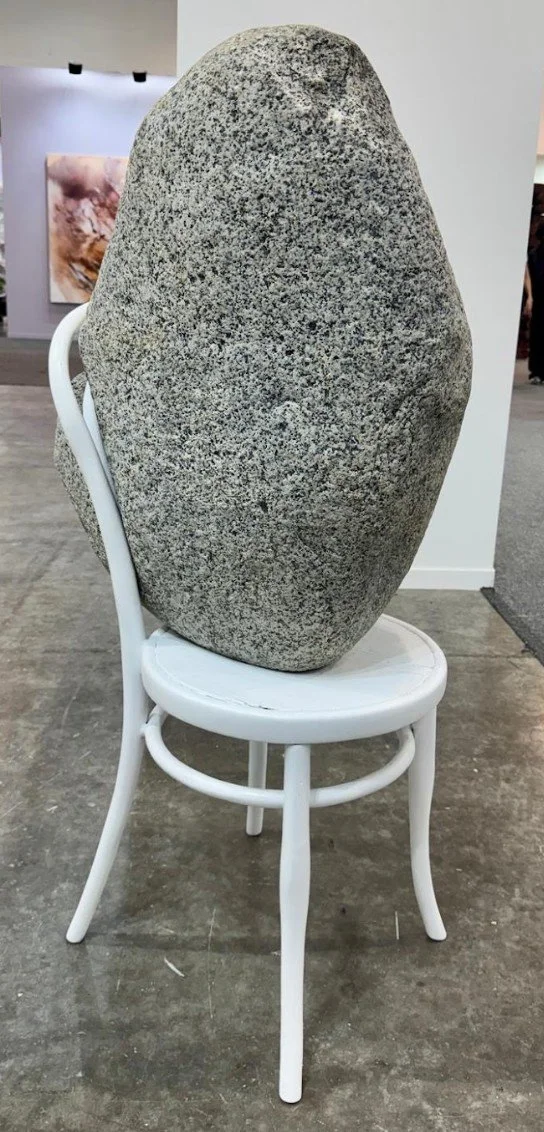
Alicja Kwade - Carrier, 2024
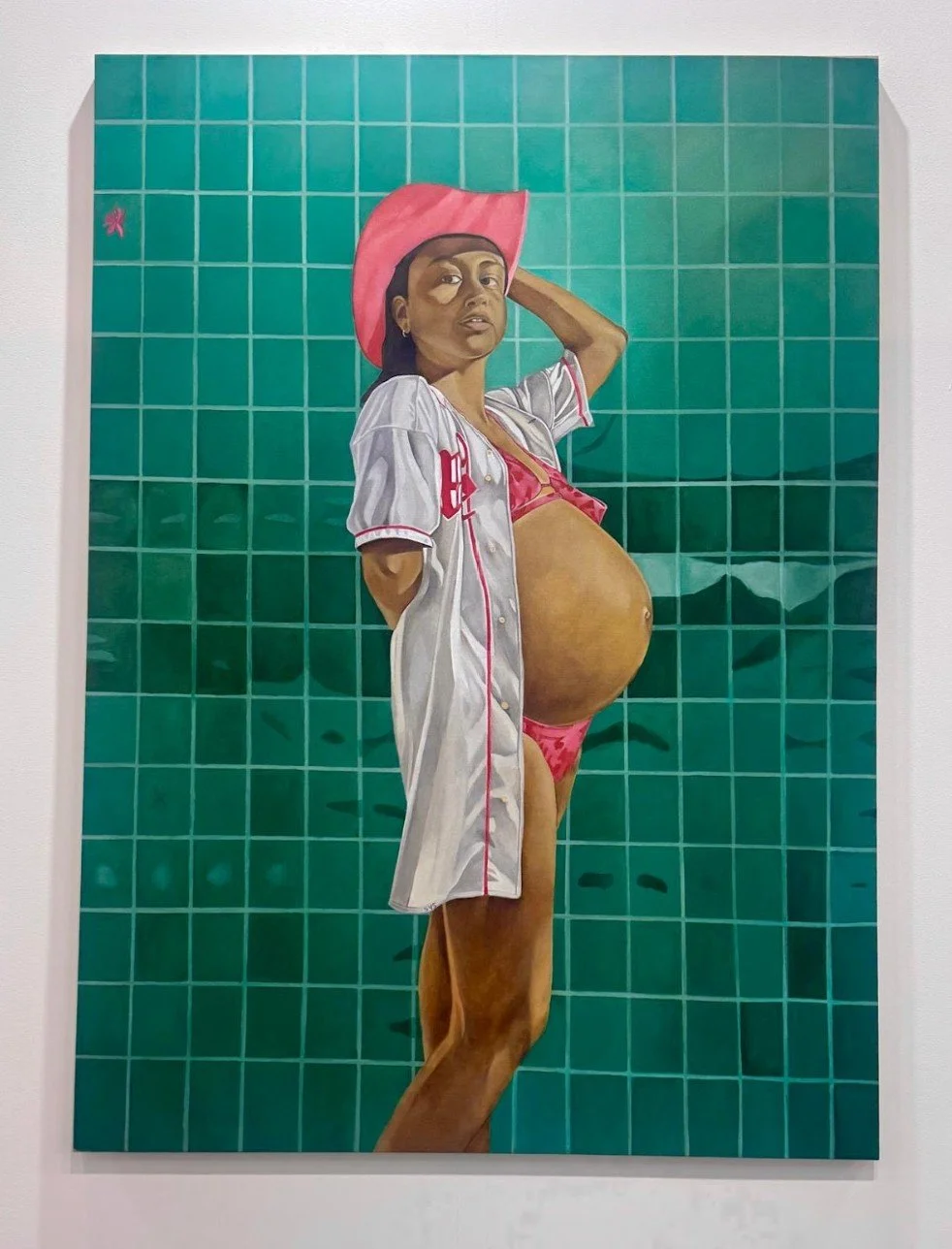
Alejandra Varela - La Pantera Mami, 2025
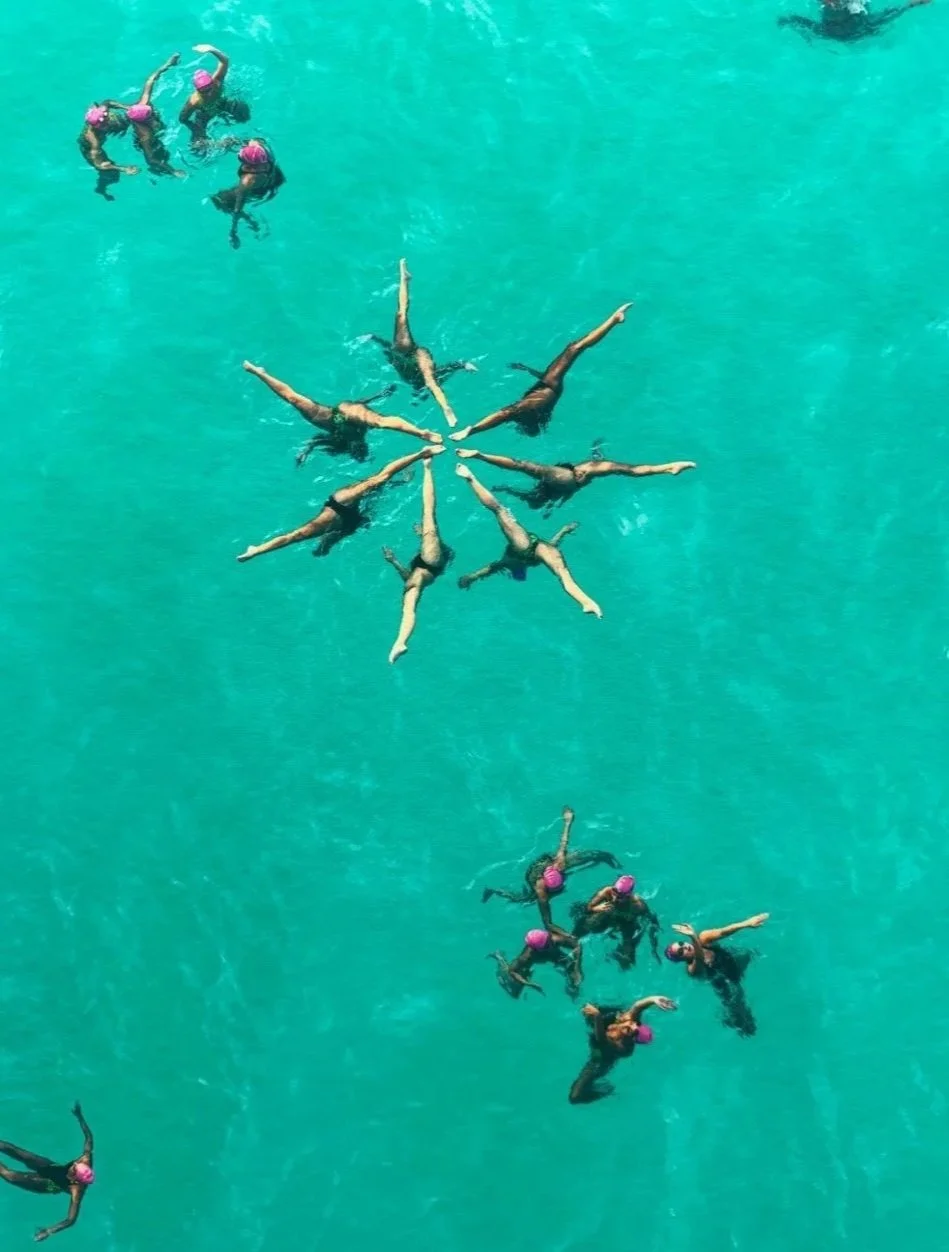
Maria Svarbova - Big Gropu, Girl Power, 2018 ; details
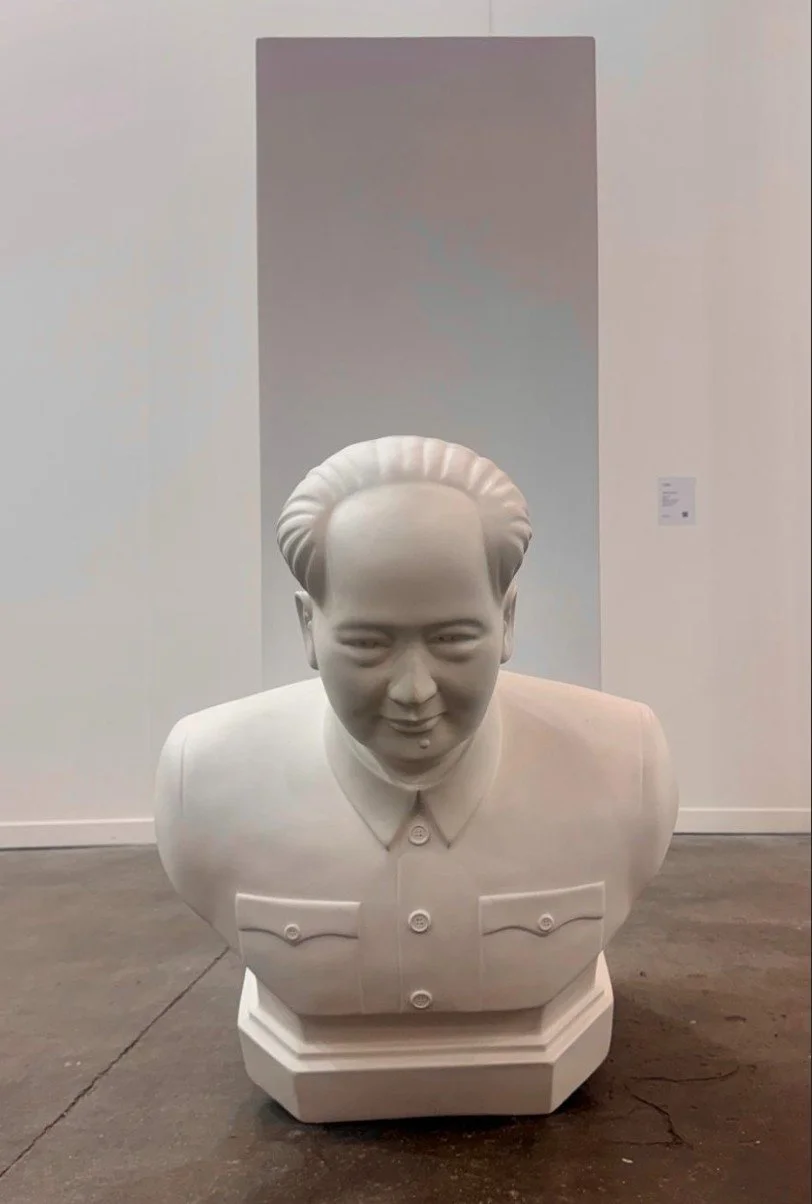
Cynthia Gutiérrez
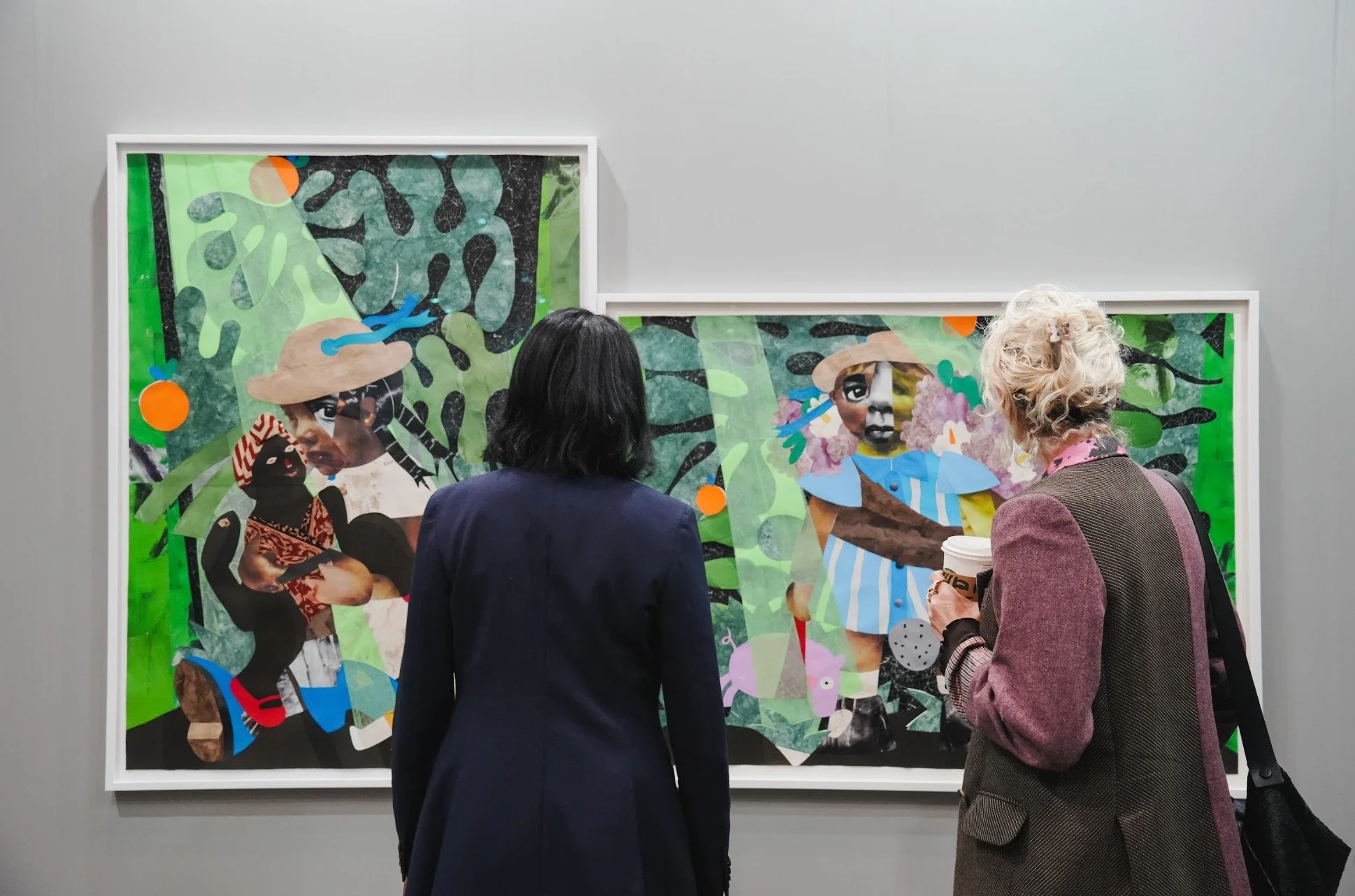
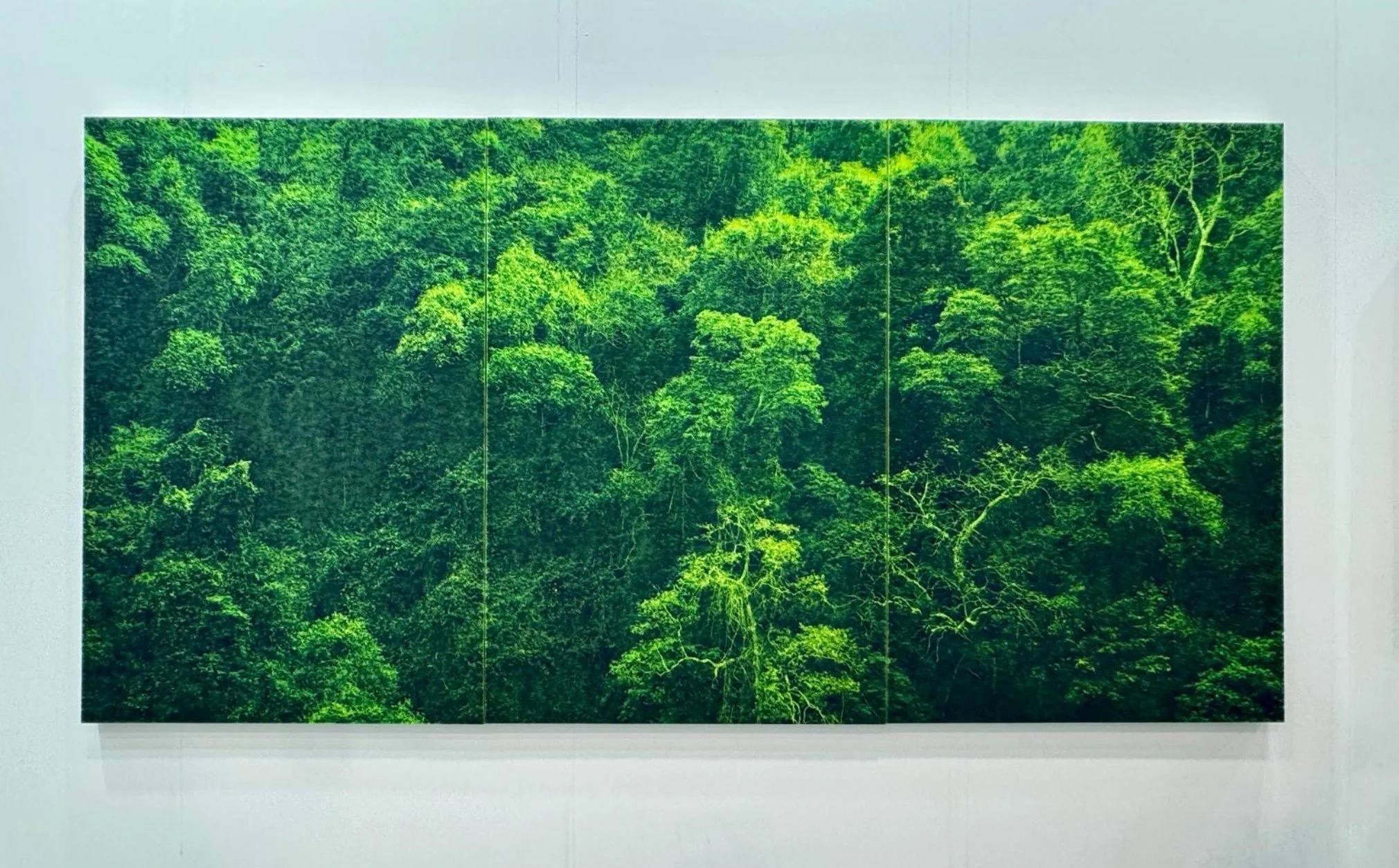
Bongsang Yoo - Headless pin
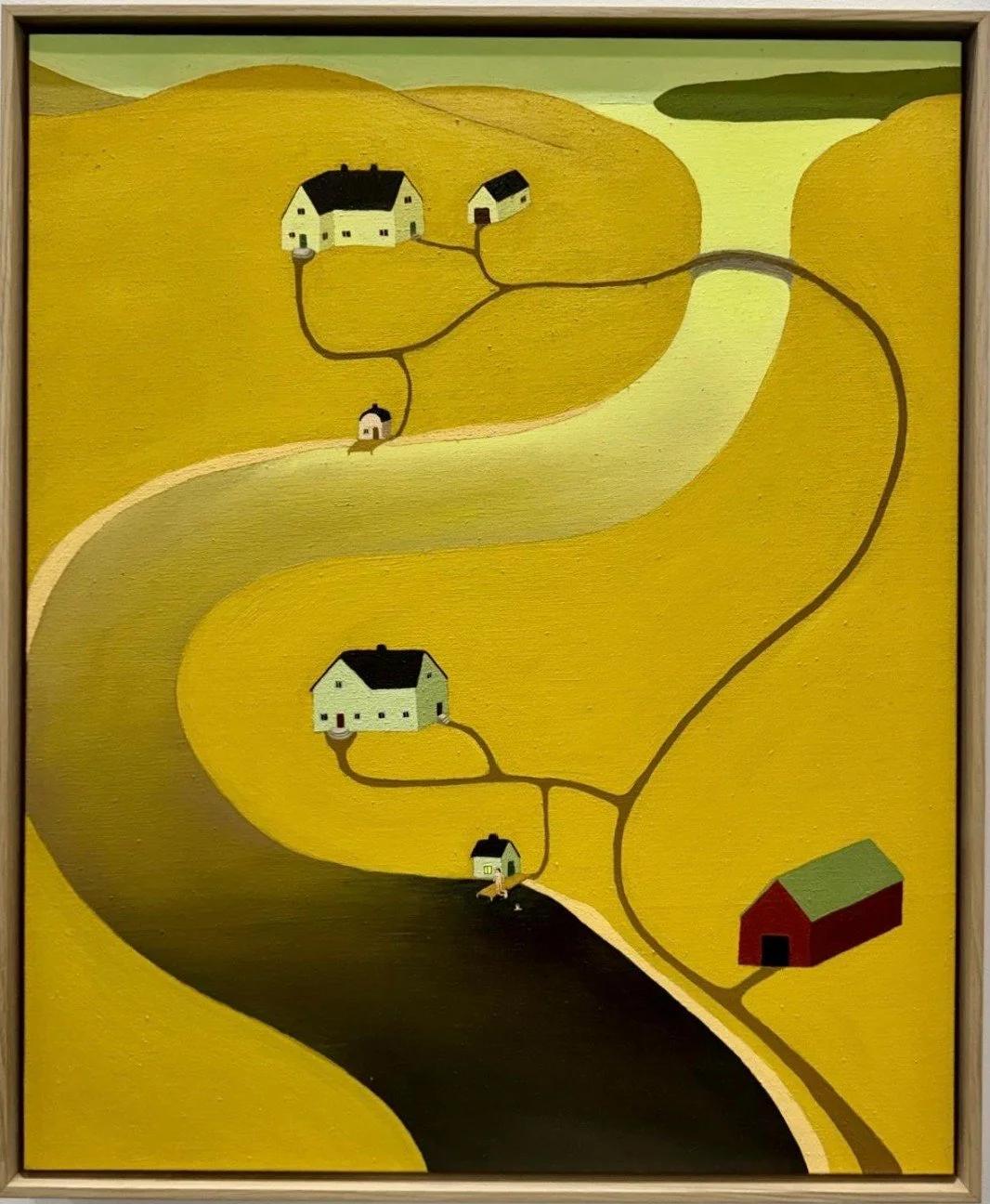
Klas Ernflo - Farmhouse with saunas, 1975
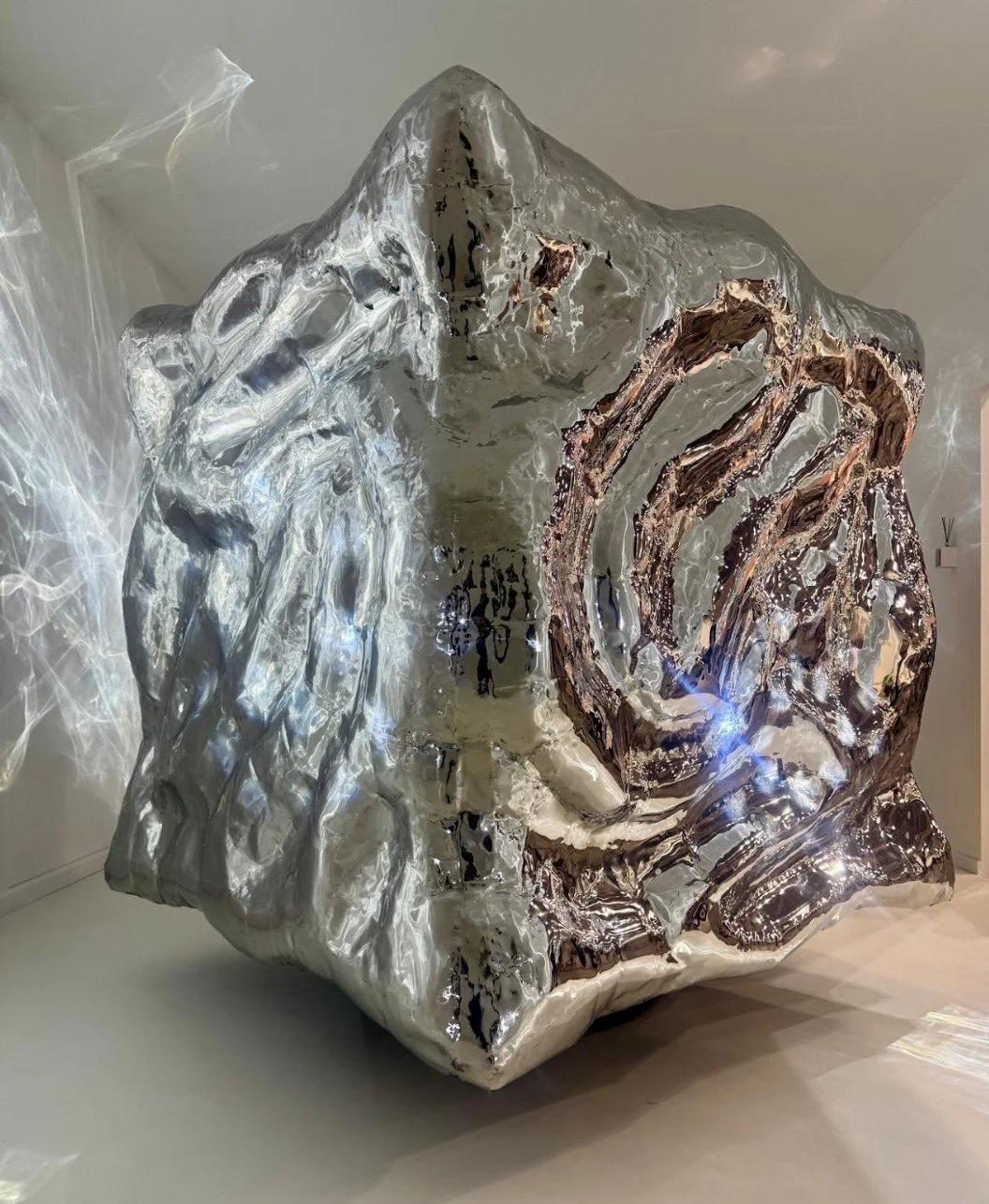
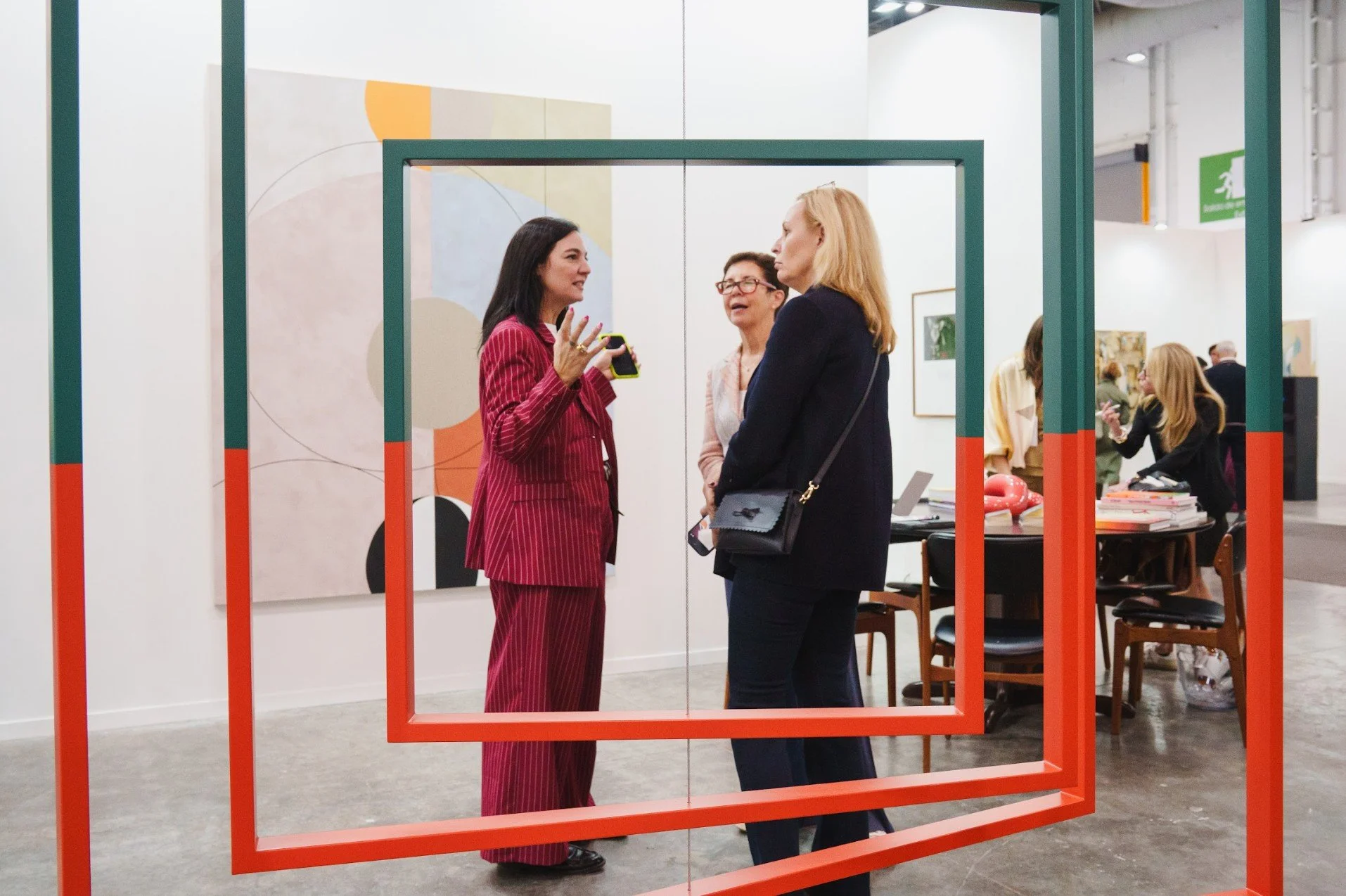
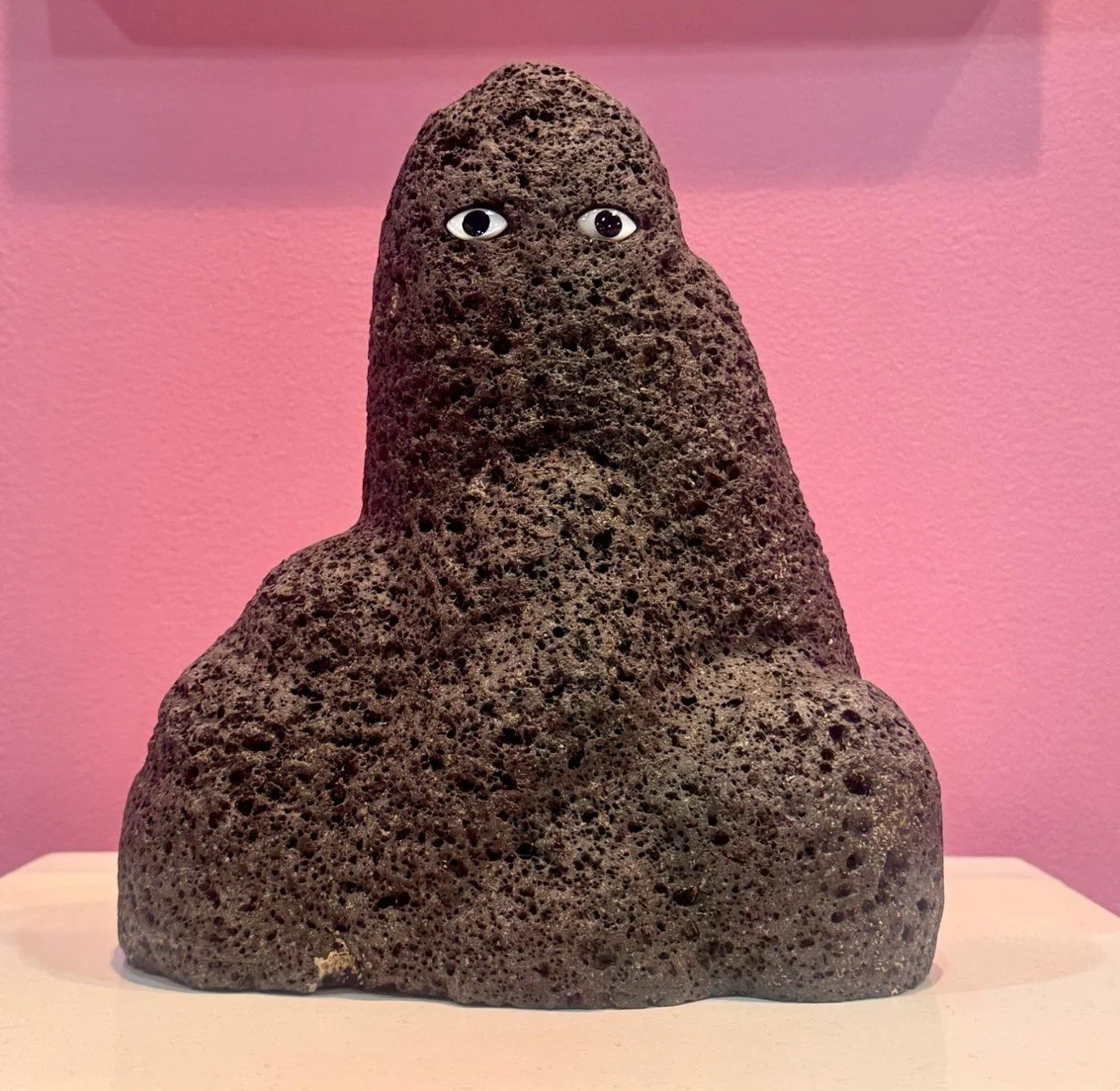
Marina Abramovic
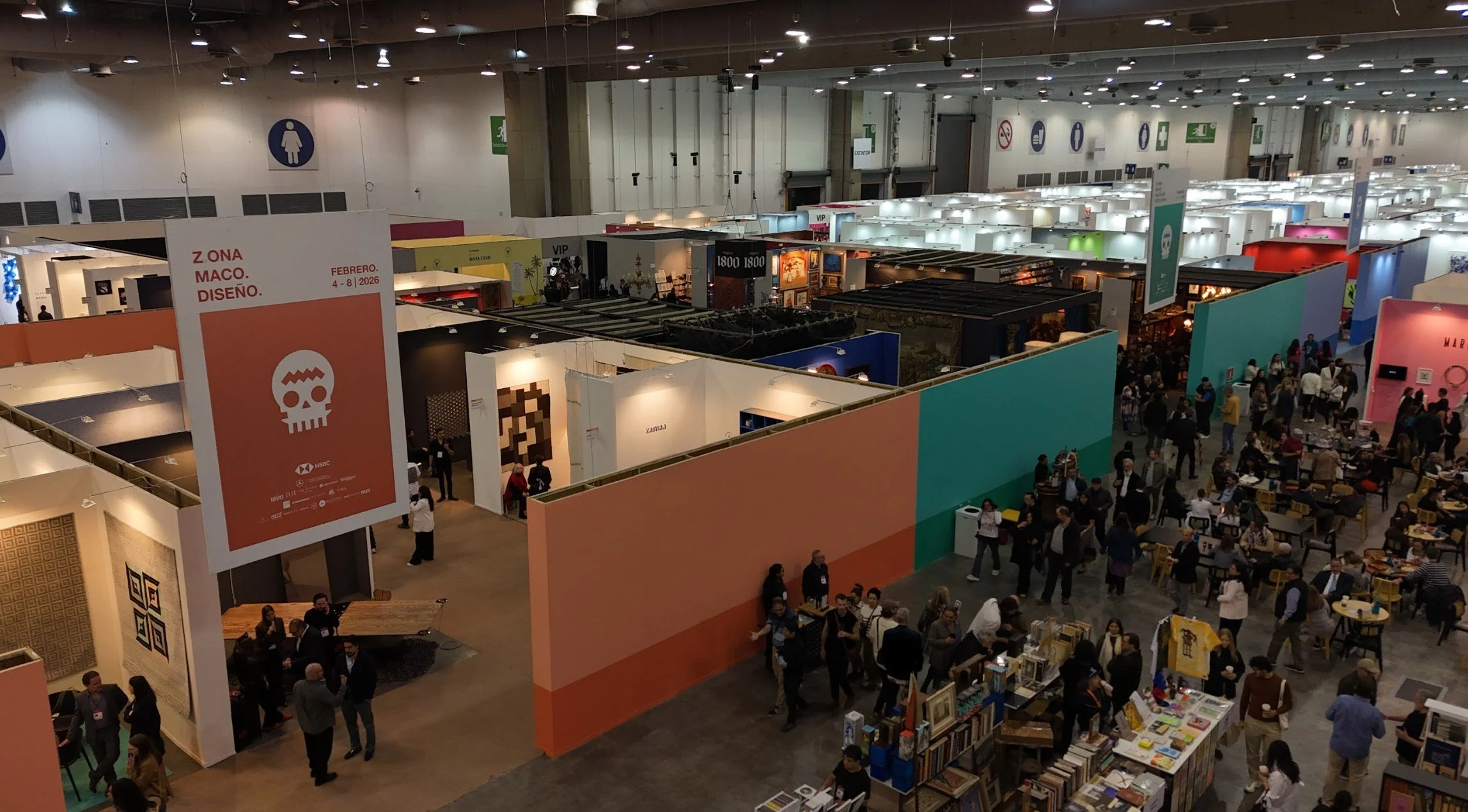
Zona Maco 2026
images courtesy of Britt Kubat for Anarchy Daily and ZⓈONAMACO