How fashion, art, and technology are recalibrating after a decade of noise—turning infrastructure, authenticity, and storytelling into the real status symbols of 2026.
by Aleksandra Dinic
Dalí’s surreal questioning mirrors 2026’s cultural pivot — where art, fashion, and technology collide.
Shedding Old Skin
2025 was dominated by domestic and global ructions, with turbulent currents impacting every aspect of culture and society. Technology, Trumpism and anti Trumpism, truculent politics, the “Fourth Turning,” AI and meme culture defined the year. As we pivot into 2026, Anarchy Daily surveys the landscape to see how these forces will carry over and mutate into new ripples and anarchical waves. Some are familiar (tech, AI, wokeness imploding) but now carry hidden twists; others (geopolitics, revival of empire, a sharpened 1980s redux) are only beginning to show their weight.
So what exactly is culture optimizing for in 2026?
Fashion: The End of Predictability
Design Intelligence Replaces Hype
Since roughly 2014, fashion has perfected one trend above all others: the erosion of originality. What followed was predictable—soft sales, louder logos, and a culture increasingly addicted to status symbols over design intelligence or craftsmanship. Add cheap labor, accelerated production cycles, and creative directors swapped at algorithmic speed, and the industry locked itself into a loop of overconsumption: overpriced, overbranded, under-imagined.
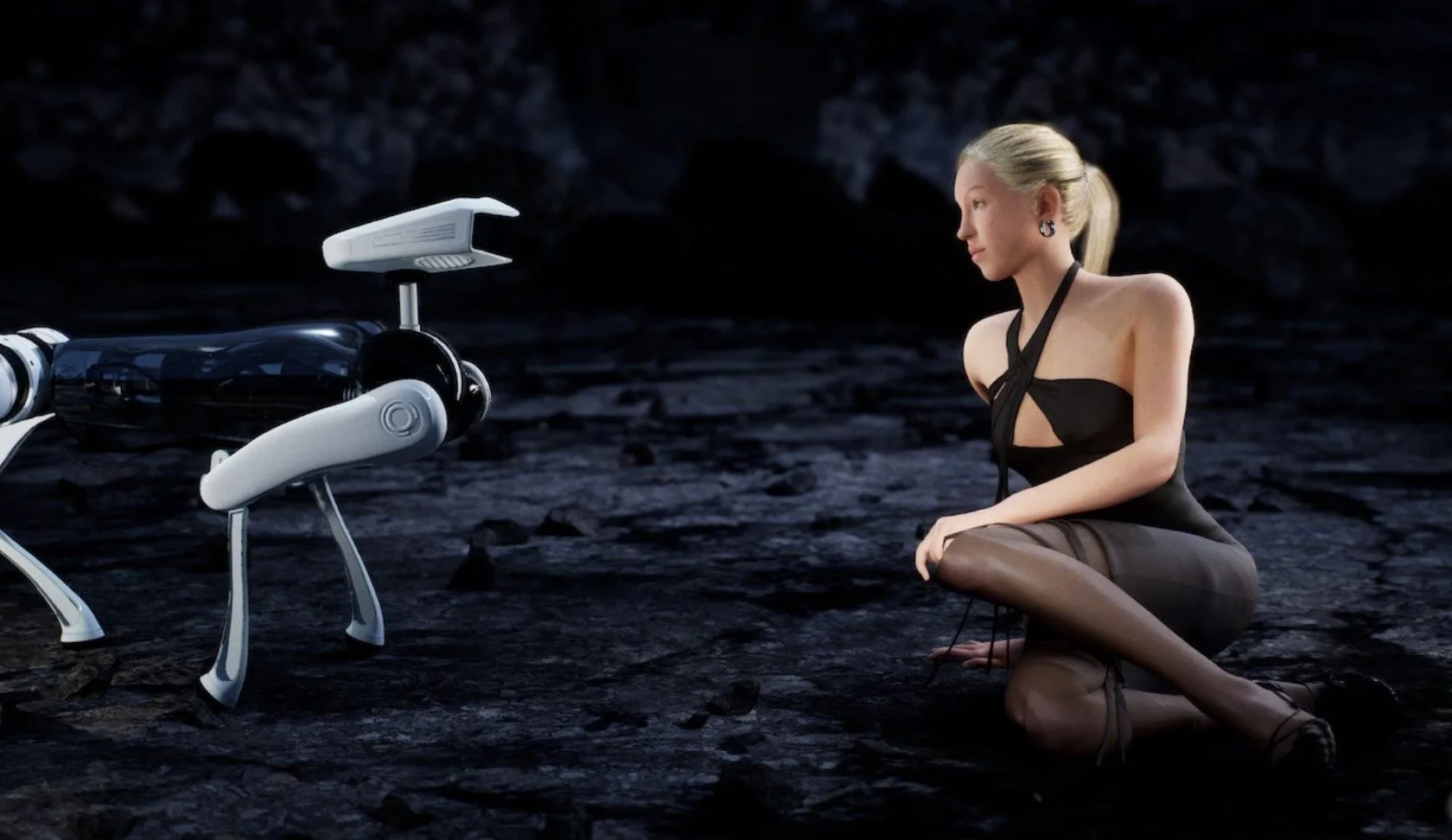
This proved fertile ground for conglomerates like LVMH and Kering, whose scale thrived while individuality thinned. Designers like Demna translated collective exhaustion into a new uniform. Sportswear swallowed luxury. Desire flattened into comfort. We dressed for the screen: ALO, Nike, another Zoom call.
After a decade of algorithmic churn and creative fatigue—and with tariffs emerging as the standout hurdle for 2026—fashion is tentatively rediscovering pace. “Uncertainty” has shifted to “challenging” in executive language, a subtle move from confusion to confrontation.
Last season’s wave of house resets—Balenciaga, Bottega Veneta, Gucci, Dior, Chanel—marks the beginning of a new cycle. The question isn’t whether a sharper blazer or better-cut suit can excite editors (it can), but whether this renewed polish signals genuine design intent or simply a more elegant version of the same machine.
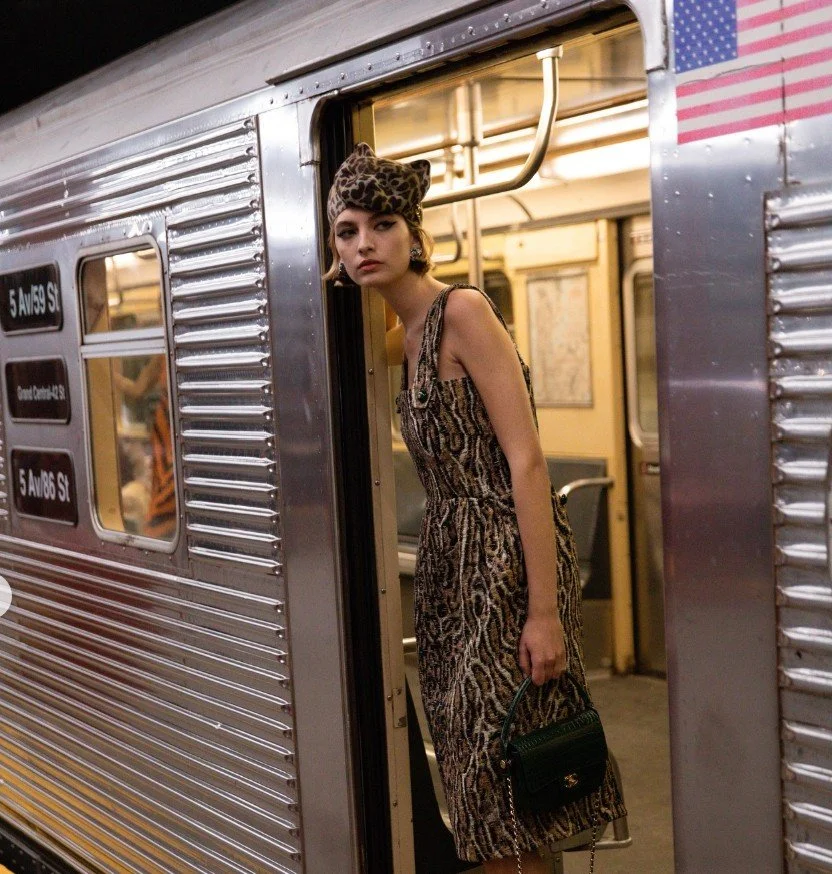
Growth remains slow, but the middle of the market—considered luxury—is tightening its grip. Consumers are spending less wildly and more deliberately; craft, experience, and narrative now outperform spectacle. Resale, once a side hustle, has become a giant, projected to grow several times faster than primary fashion in the coming years. Jewelry continues its climb as the quiet asset of self-definition, while AI-assisted styling evolves into something intimate rather than intrusive.
Beneath it all lies a harder truth: fashion’s new operating system isn’t just visual—it’s logistical. Tariffs, supply-chain friction, and energy costs are forcing brands to treat design as system thinking, connecting beauty with resilience, narrative with numbers, desire with data. The players best placed for 2026 are those that integrate AI meaningfully, manage inventory with discipline, and accept that agility, not legacy, is the real moat.
Art: Cultural Signals for 2026
From Booths to Hybrid Bandwidth
If fashion spent the last decade hollowing itself out through repetition, the art world spent it insisting nothing fundamental had shifted. By 2026, that illusion has evaporated. What once looked cyclical now reads as structural. Technology, new capital, and a recalibrated collector class are quietly rewriting how art is produced, distributed, and valued. The myth of insulation has cracked.
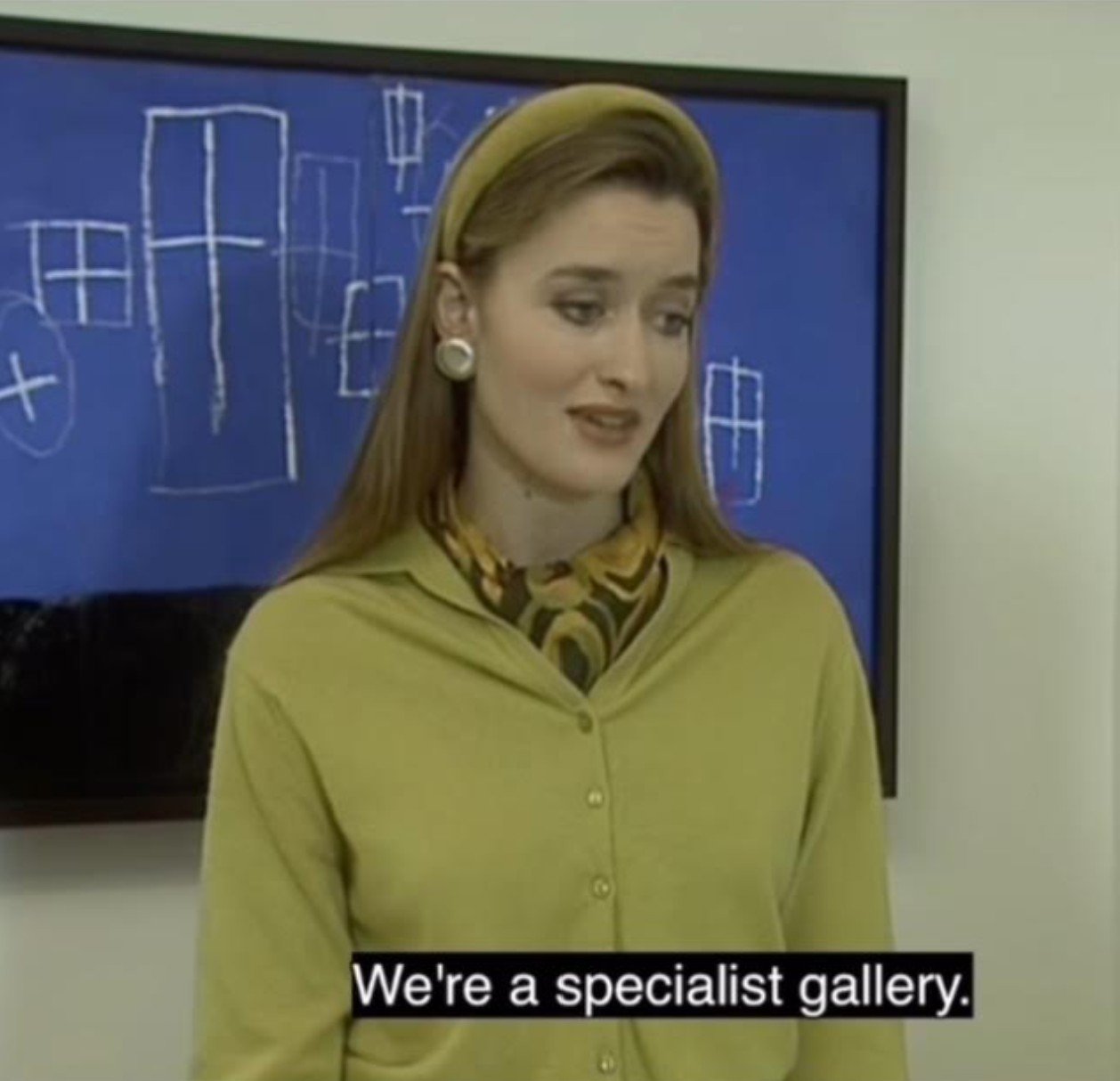
Art fairs such as Basel Miami and Frieze now function less as spectacle and more as predictive tools. Blue-chip anchors still stabilize the room, but attention—and capital—has migrated toward practices fluent in visibility, distribution, and narrative as much as form. Art that understands systems outperforms art that clings solely to legacy.
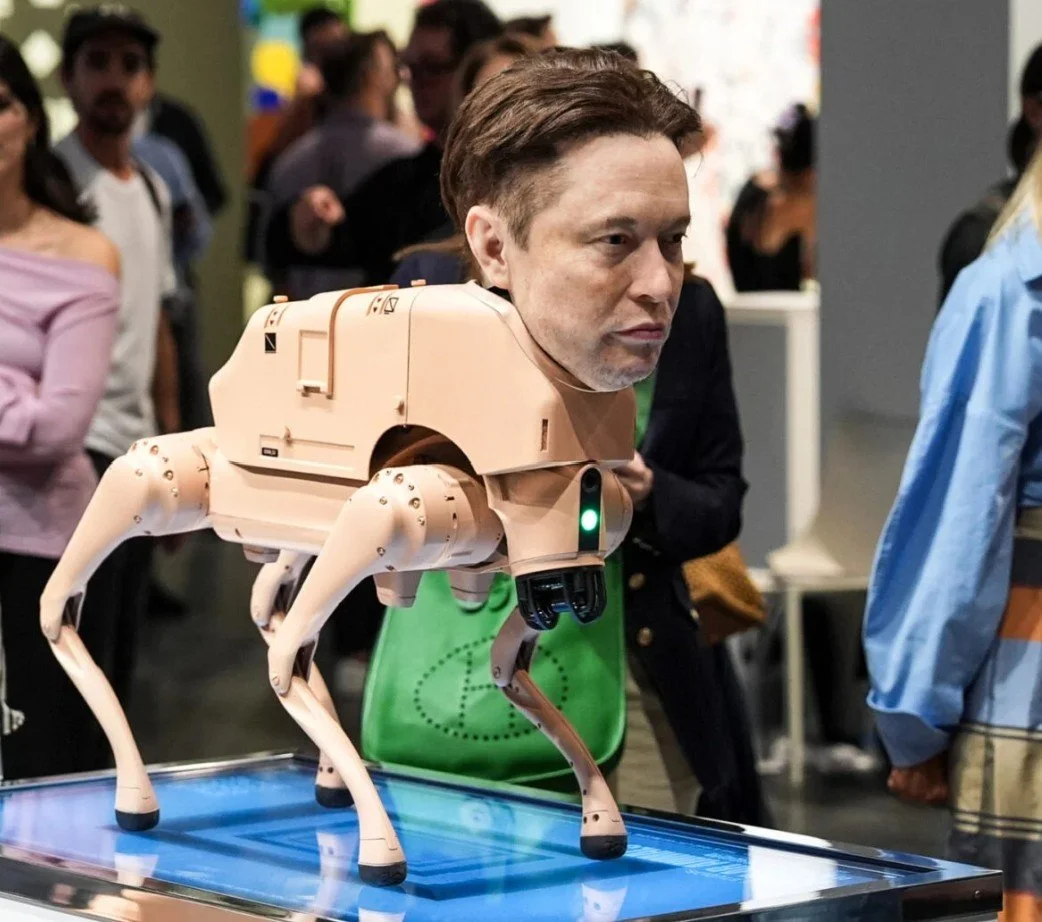
A new collector profile accelerates the shift: younger, tech-adjacent, data-literate, and uninterested in heritage for its own sake. They buy with conviction but also with awareness—liquidity, cultural relevance, and long-term positioning matter. Female collectors are on the rise. Artists are no longer “discovered”; they are permanently present, networked, building worlds in public and in real time.
Galleries are adapting. The booth is no longer the center. Community, communication, and continuity have become part of the medium. Digital discovery leads; physical space follows. The hybrid gallery model—where narrative, measurement, and community sit alongside curation—is replacing white-cube orthodoxy.
Aesthetically, the pendulum swings against smoothness. AI stops posturing as the artist and starts behaving like an instrument. Expression trumps generic aesthetics. Imperfection—blur, distortion, asymmetry—returns as proof of humanity. Maximalism re-emerges as presence: more symbol, more narrative, more self.
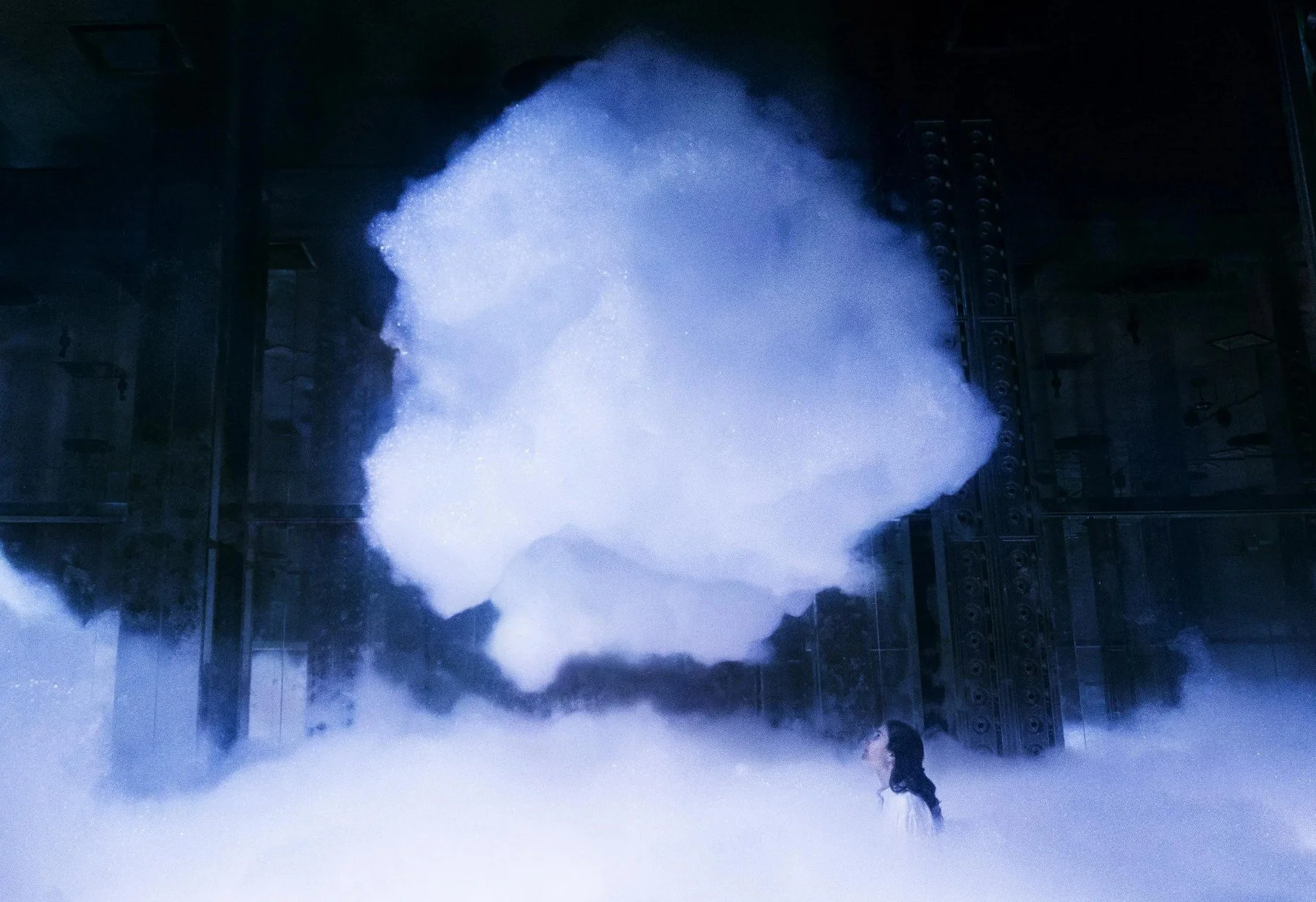
Immersive, AI-powered environments turn spectators into collaborators. Data-driven abstraction translates invisible systems—climate, capital, movement—into forms that render complexity strangely beautiful. Nostalgia mutates into retro-futurism. Surrealism, supercharged by AI, fractures familiar scenes and makes the uncanny a dominant emotional register. Eco-consciousness shifts from virtue signal to visual language, where biophilic palettes and climate-driven narratives finally align ethics with aesthetics.
This is not a collapse but a coordinated rewrite. Buying slows, thinking sharpens. Relationship capital outweighs short-term flips. Cultural density—the overlap of institutions, technology, and subcultures—matters more than hype alone. In 2026, art is still for sale, but relevance belongs to those who understand both meaning and process.
Technology: Invisible Infrastructure
The Quietest Power Wins
The next technological cycle will not arrive as a clean break but as a quiet occupation of daily life, where intelligence, energy, and motion dissolve into the background. AI is no longer a headline; it has become substrate—embedded in decision‑making, design, commerce, and culture itself. Companies now compete less on raw capability and more on trust, speed, and interpretability.

Advanced robotics—particularly humanoid systems—move from spectacle to infrastructure: co-workers, caretakers, logistics bodies rather than sci-fi avatars. Autonomous systems—cars, drones, urban sensors—operate as pulse-driven networks, reading cities as living organisms and optimizing movement, energy, and attention in real time.
Beneath this visible layer lies the real revolution: energy and computation. Advanced semiconductors, next-generation batteries, and small modular reactors compress cost and time, turning electrons into geopolitical leverage. Silicon has become strategy; data centers and chips now carry the political weight oil fields once did.
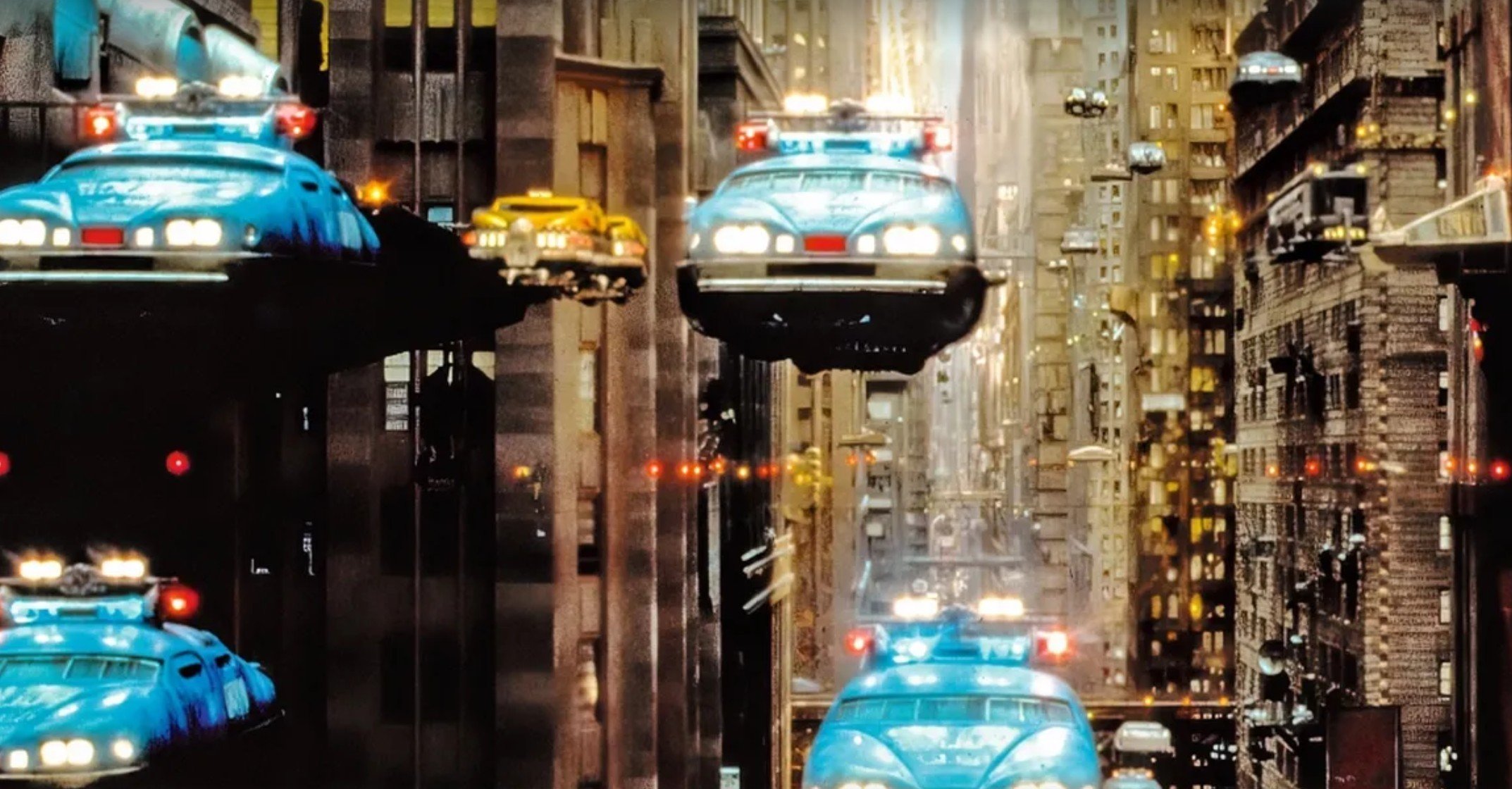
Culturally, the implication is less about novelty and more about authorship. Tools are ubiquitous; differentiation lies in how they’re steered. The future of creativity won’t belong to the loudest algorithms or the most predictive systems, but to those willing to take intuitive, emotional detours off the main feed. In a world optimized for sameness, personal vision becomes a competitive advantage.
The question is no longer whether AI shapes culture—it already does—but who is shaping AI, and to what end. The leaders of the next chapter use it not as a crutch, but as leverage: recalibrating, re-strategizing, and amplifying originality without surrendering authorship.
The Cultural Trajectory
Despite war, climate dread, and the unresolved anxiety of Trump 2.0, optimism refuses to die. Polling across major economies suggests a majority still expect 2026 to be better than 2025. One recent global survey found 71 percent of respondents across 30 countries believe the year ahead will improve—a sharp rise from the post-pandemic low of 2023.

The mood, however, is uneven. Indonesia leads with near-utopian optimism. France and Japan remain global skeptics, shaped by political fatigue and demographic malaise. The US slips slightly, the UK softens, while South Korea and India post some of the strongest gains year-on-year.
In 2026, culture rewards authenticity, intent and connection.
In fashion: disciplined systems and design intelligence.
In art: systems literacy and emotional risk.
In technology: powerful tools that disappear into life while sharpening the human edge.
The future won’t be defined by invention alone, but by interpretation. Those who can edit, contextualize, and remain unmistakably themselves will shape the next chapter.
Everything else will be well-designed noise.