Safe for Whom?
On March 9, 2026, the UK Parliament voted 307 to 173 against banning social media for children under 16 — the same week police statistics confirmed over 12,000 annual arrests for offensive online posts by adults. Filmmaker Ella Greenwood and producer Lewis Swire screened their documentary “Lost Generation” at the House of Commons, making the cultural case that legislation keeps failing to. The contradiction at the heart of UK digital policy isn't an oversight. It's a structure.
A 24-year-old filmmaker walked into the House of Commons this week carrying a hard drive. On it: Lost Generation, a documentary about what social media has done to the children who grew up inside it. Ella Greenwood — Forbes 30 Under 30, BAFTA-circuit director, mental health advocate since she was a teenager — screened her film to the people responsible for writing the laws. It was, by every account, a good faith act.
The same week, the House of Commons voted 307 to 173 against banning social media for children under 16.
And somewhere in between those two events — the documentary and the vote — lies the most important cultural story the UK isn't quite telling itself.
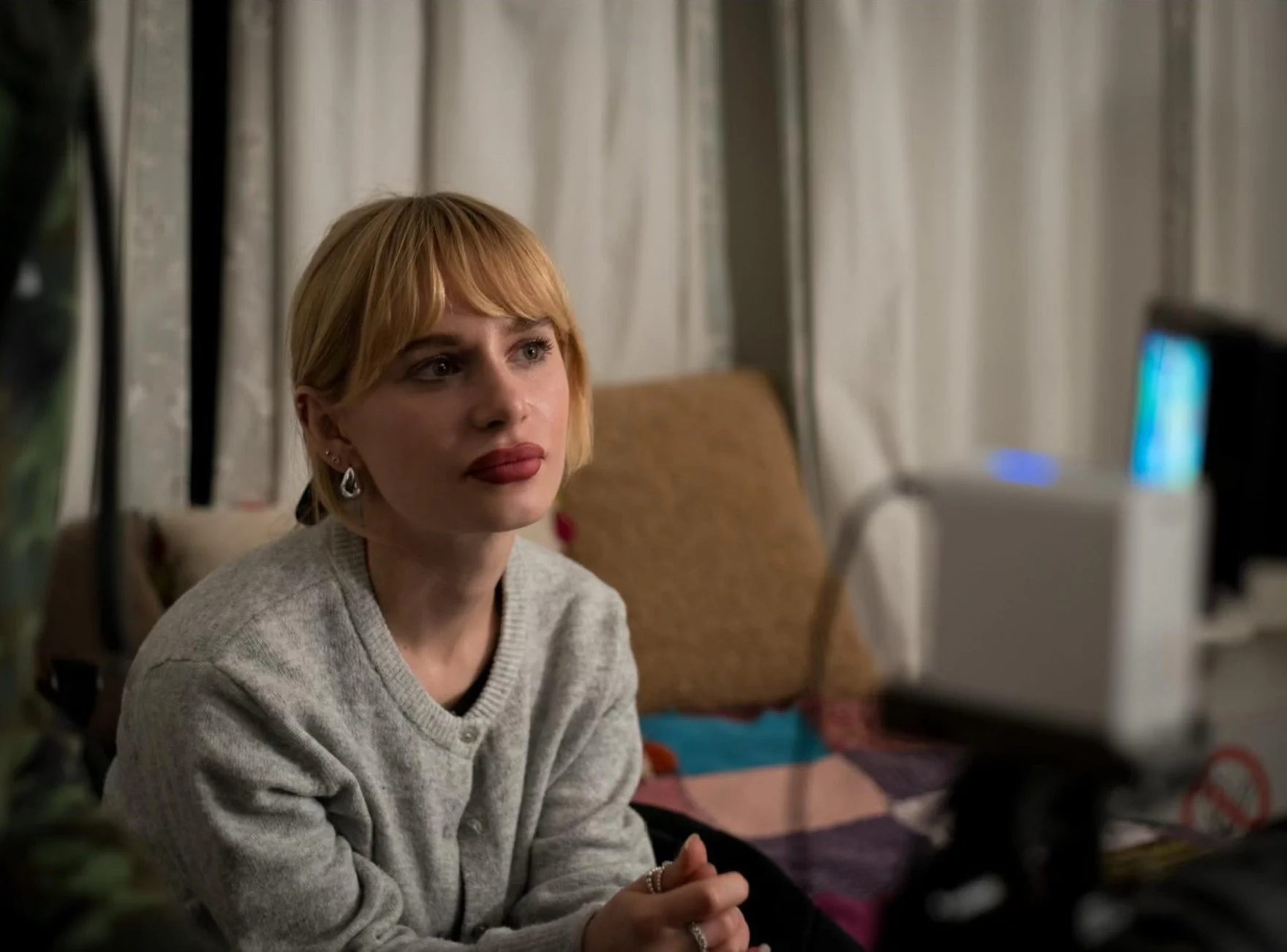
Ella Greenwood — Forbes 30 Under 30 at 19, British Citizen Award 2025. Her films go to Parliament before they go to festivals.
The Film They Screened at Parliament
Greenwood has been making films about mental health since she was 18 — starting with “Faulty Roots,” shot in her own bedroom, a film about a teenager with depression that ended up at BAFTA-qualifying festivals and sparked a production company. What followed was a filmography built almost entirely around what it feels like to be young, struggling, and invisible to the institutions that were supposed to be paying attention.
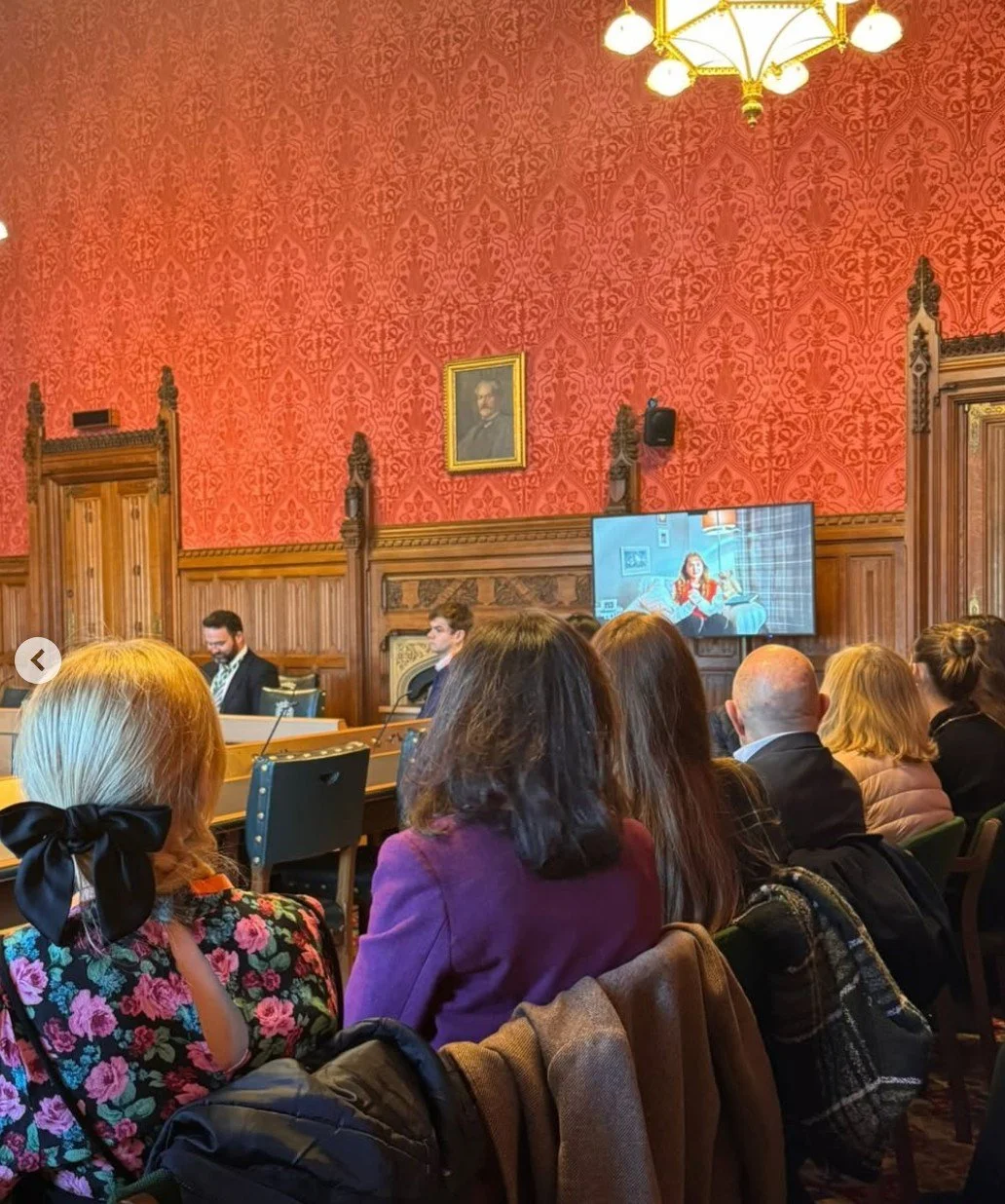
Lost Generation screened at the House of Commons the same week lawmakers voted to keep children on the platforms.
“Lost Generation” is the logical endpoint of that body of work. Produced by Lewis Swire — founder of The Curious Times, a youth-led media network operating across more than 100 countries — the documentary asks the question that a decade of academic research, legislative committees, and tech hearings has circled without landing: what has the algorithm actually done to the generation that was born into it?
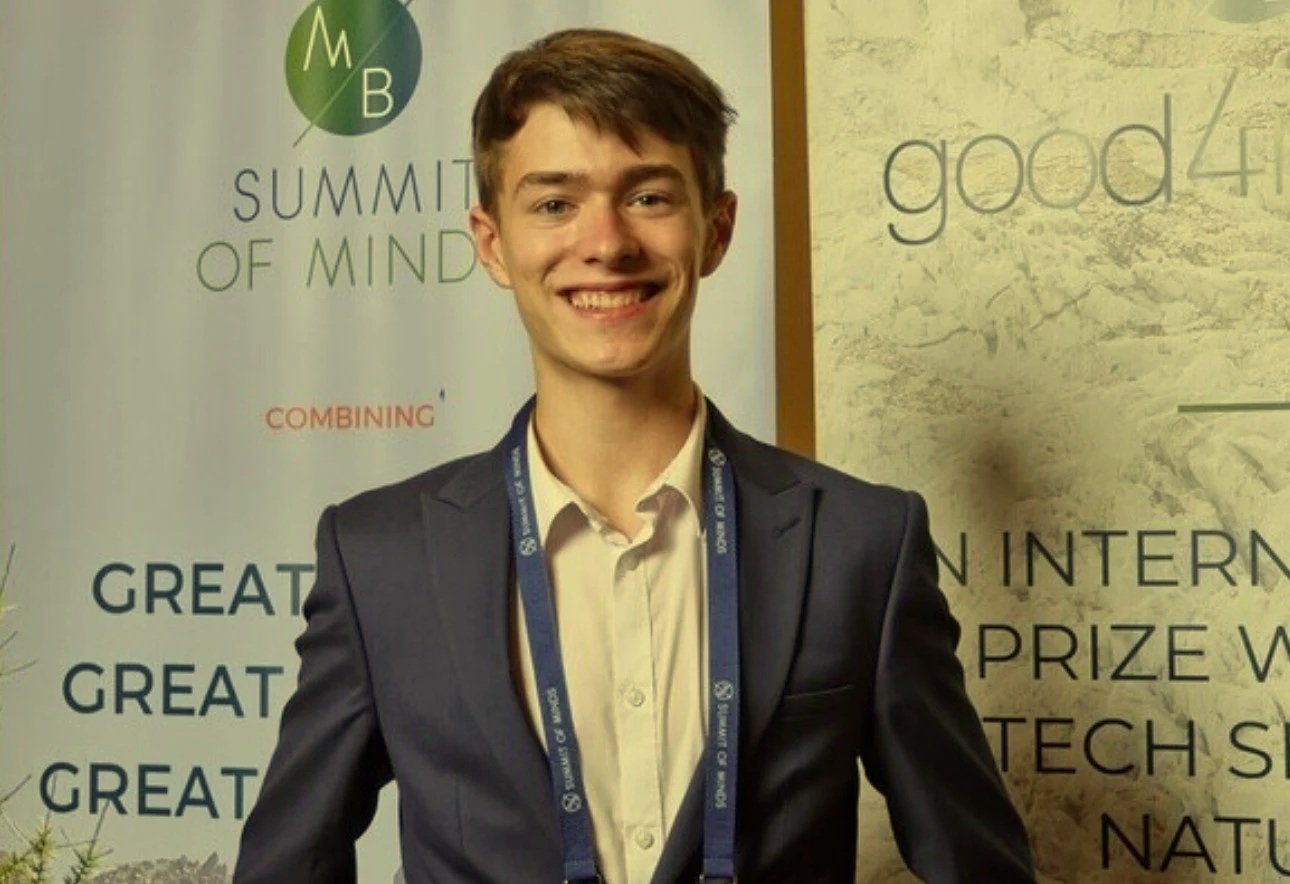
Lewis Swire founded The Curious Times during lockdown at 16. It now reaches young people in over 100 countries.
The answer, according to Greenwood and Swire, is not abstract. It's clinical. It's anecdotal. It's lived. And it required a film, not a policy paper, to say it properly.
Greenwood's previous work has screened at Oscar-qualifying festivals. This one was made to be seen by the people writing the bills. That decision — to take the cultural argument directly to the legislative space — is worth sitting with. It assumes that the institution wants to be persuaded. That evidence moves votes. That art can do what data has failed to do. Or that's what we want to believe. Politics performs compassion. It rarely enacts it.
Monday night's vote suggests something more complicated.
The 30 Arrests a Day Nobody Is Connecting
Here is what is also true, simultaneously, in the United Kingdom right now.
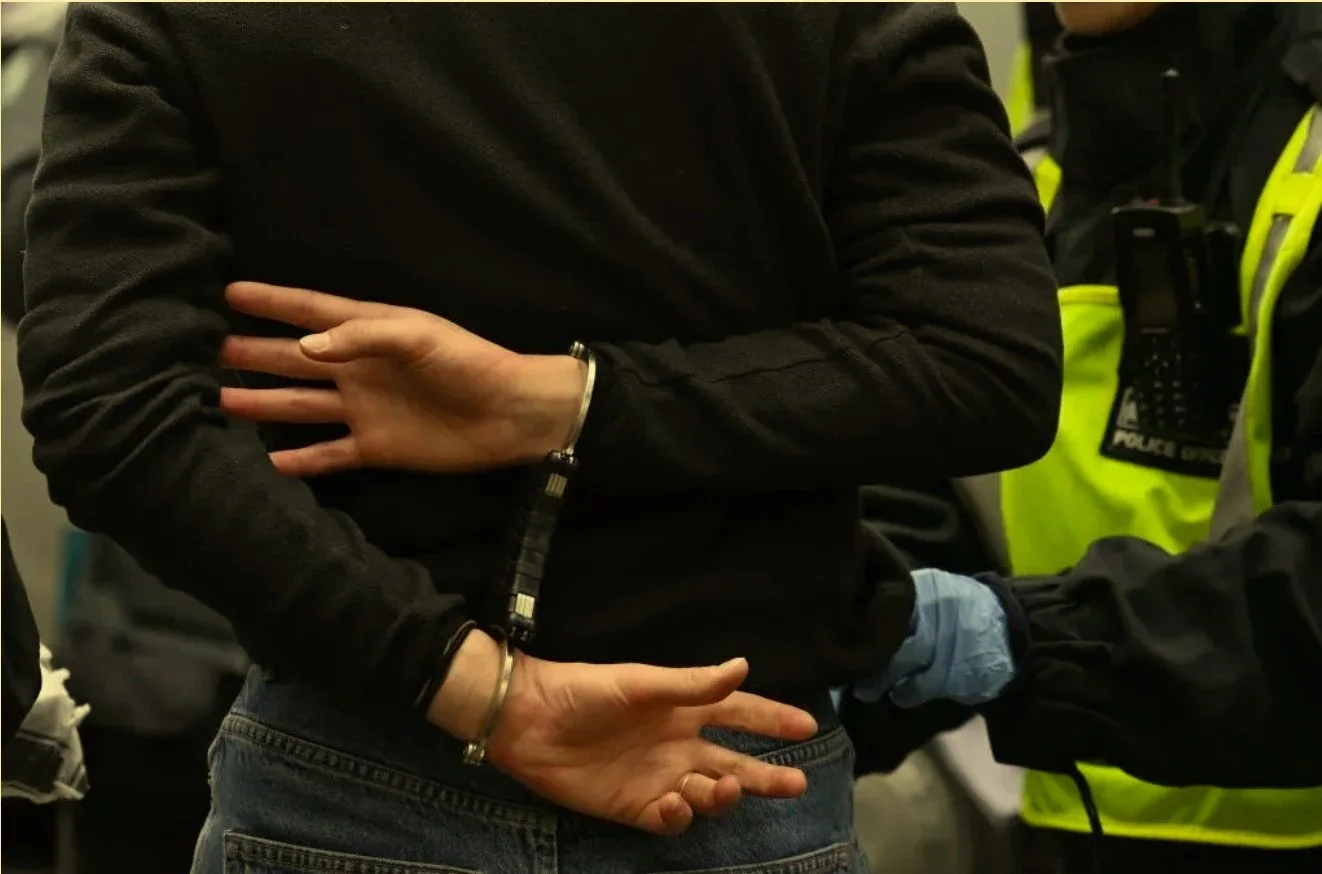
Over 12,000 arrests a year for social media posts in the UK. Fewer than 10% lead to conviction.
Police are making over 12,000 arrests a year, more than 30 every single day, for social media posts deemed offensive, indecent, obscene, or likely to cause "annoyance or anxiety." The laws being used, Section 127 of the Communications Act 2003 and the Malicious Communications Act 1988, were written for a pre-internet era. The laws were written for poison pen letters. They are being used for group chats. The gap between those two things is where British free speech currently lives. Freedom House downgraded the UK's internet freedom score specifically because of the proliferation of criminal charges for speech that would be protected under international human rights standards. Fewer than 10% of arrests lead to conviction. Most people detained are questioned, fingerprinted, and released. The arrest itself is the punishment.
One case from The Times: a couple arrested after raising concerns in a private parents' WhatsApp group about their daughter's school. Six uniformed officers arrived at their home. They were detained in front of their youngest child, taken to a police station, held for eight hours, and released without charge.
The message was not lost on anyone watching. The question it leaves isn't about resources — it's about intent. A state that sends six officers to a parents' group chat and calls it enforcement has already decided what it's enforcing.
30 arrests a day for adult speech online. Zero action to remove children from the platforms generating it. The math here is not about safety.
And yet: Monday's vote rejected the ban on under-16s using those same platforms. The government's position, delivered by Science Secretary Liz Kendall, was that a consultation is needed. That the evidence requires more review. That a blanket ban might drive children toward less regulated parts of the internet.
These are not unreasonable arguments. The NSPCC made them. So did several children's charities. The counter-case — that banning social media for teenagers may isolate marginalized young people who rely on it for community — is real and worth taking seriously.
But here is the thing about taking it seriously: the government isn't taking it seriously. It is deferring it. There is a difference.
What lawmakers voted for instead was a power, given to a single secretary of state, exercisable at any future moment, subject to no fixed timeline and limited legislative scrutiny, to restrict or ban children's access to social media, chatbots, and VPNs whenever the government decides the moment is politically right.
The consultation window runs until May 26, 2026.
Meanwhile, the arrests continue.
Control Is Not Safety — and the Algorithm Knows the Difference
The contradiction that you're sensing is real, and it runs deeper than hypocrisy.
The UK is not trying to make social media safer. It is trying to make social media controllable. Those are not the same project.
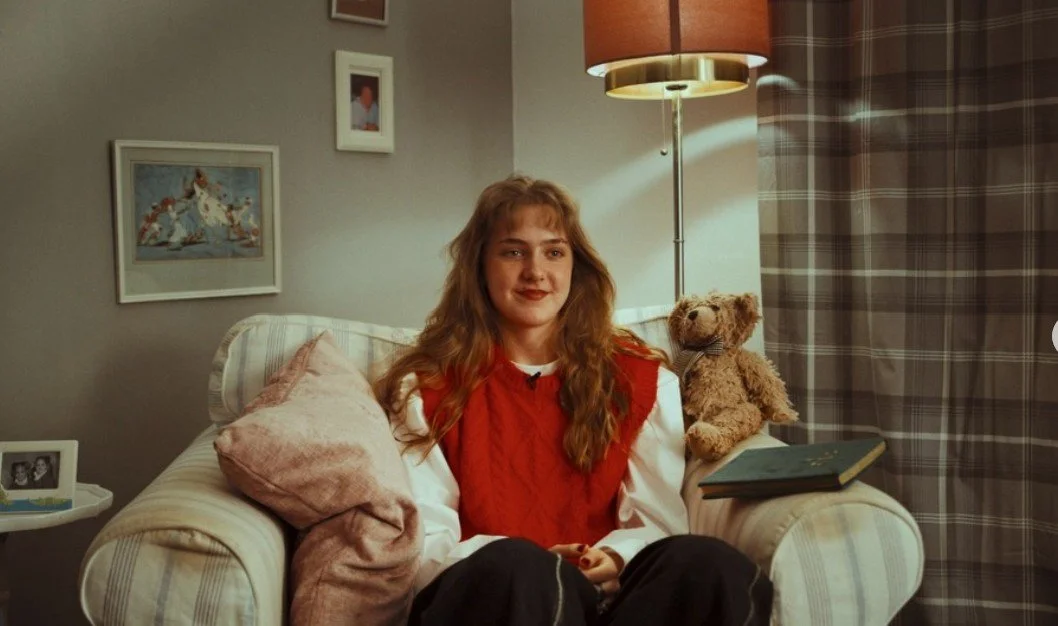
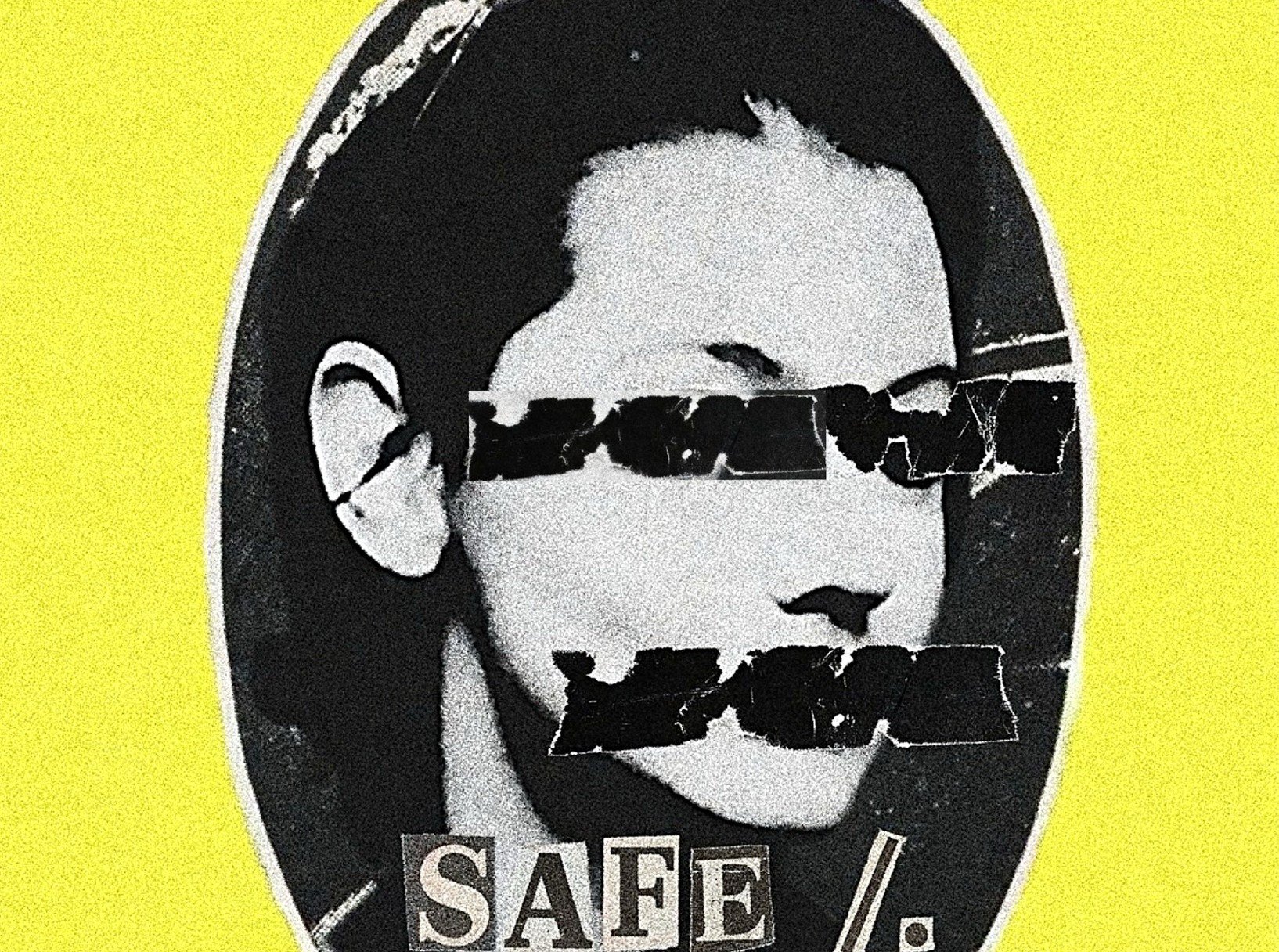
Lost Generation, 2026. Screened at Parliament the same week MPs voted to keep children on the platforms.
Keeping adults under threat of arrest for posts that cause "annoyance" produces a population that is cautious online, that self-censors, that knows the parameters of acceptable speech through the enforcement of vague law rather than through clear statute. Keeping children on the platforms — with no ban, a deferred consultation, and a promise of future regulation — keeps the next generation inside the attention economy. Compliant. Trackable. Habituated to algorithmic curation before they are old enough to interrogate it.
A generation raised to distrust their own speech online and to scroll compulsively is not a generation that needs to be surveilled through walls. It already lives inside the machine.
This is not a conspiracy theory. It doesn't require bad faith or deliberate design. It is simply what the incentives produce. Platforms profit from the engagement of the young. Governments benefit from the caution of the adult. Nobody in either institution has a structural interest in producing an informed, critically-thinking digital citizen who knows their rights and trusts their own voice.
Except, perhaps, the filmmakers.
“Lost Generation” is a cultural intervention in a policy debate. It is also, at some level, a document of the limits of that intervention. Greenwood and Swire made the best possible argument — not through data, not through a white paper, but through story, through the faces of the people the algorithm shaped. They took it to the room where the votes happen.
The vote happened anyway.
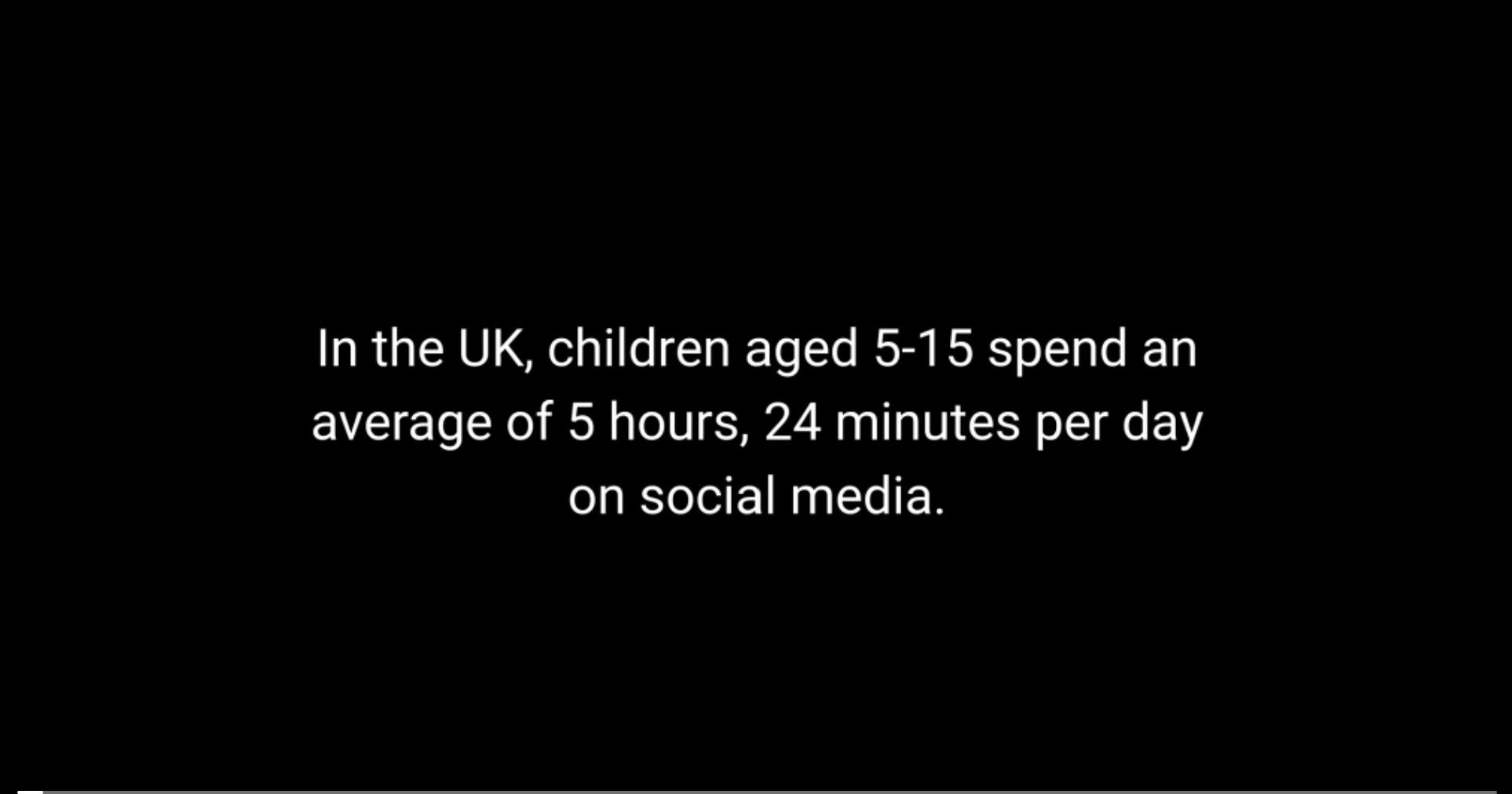
Lost Generation, 2026. The cultural argument legislation keeps failing to make.
What that leaves is a question worth sitting with, not just for Greenwood, but for everyone who believes that cultural argument can move institutional power: if the film is more persuasive than the bill, and the bill still passes, what does art do next?
Not an answer. Just the right question to be asking in March 2026, in a country that arrests 30 people a day for online speech and isn't sure yet whether its children should be online at all.
images courtesy of Ella Greenwood, Lewis Swire and Anarchy Daily.