With 230 galleries, an influx of art lovers, and infinite energy, the Armory show is an engine of creativity and decorum in a city on the edge.
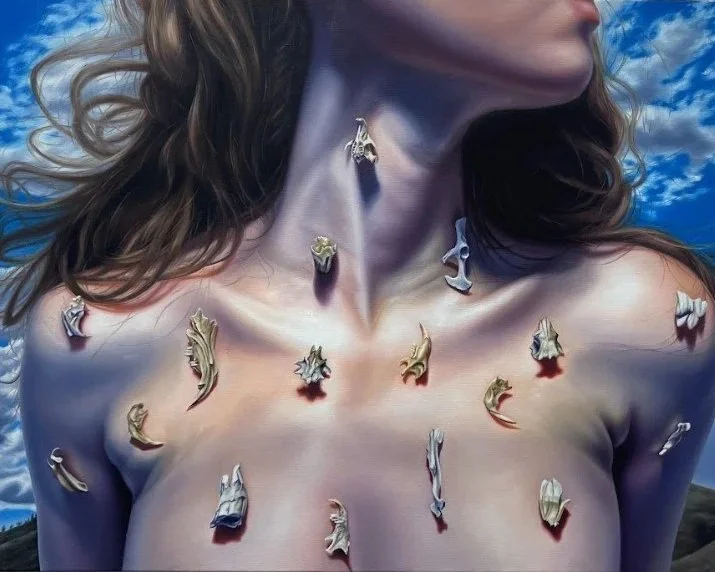
Harpers: Chloe West - “Chestbones”.
The Armory Show kicked off its 31st edition with 230 galleries from 30 countries. Eclectic compositions, electrifying installations, and a carnival of characters—artists, glossy editors, preppy gallerists, fat-cat collectors, seldom fashionistas and attention seekers, A-listers, B-listers, and diehards chasing that sweet spot where magic meets madness.
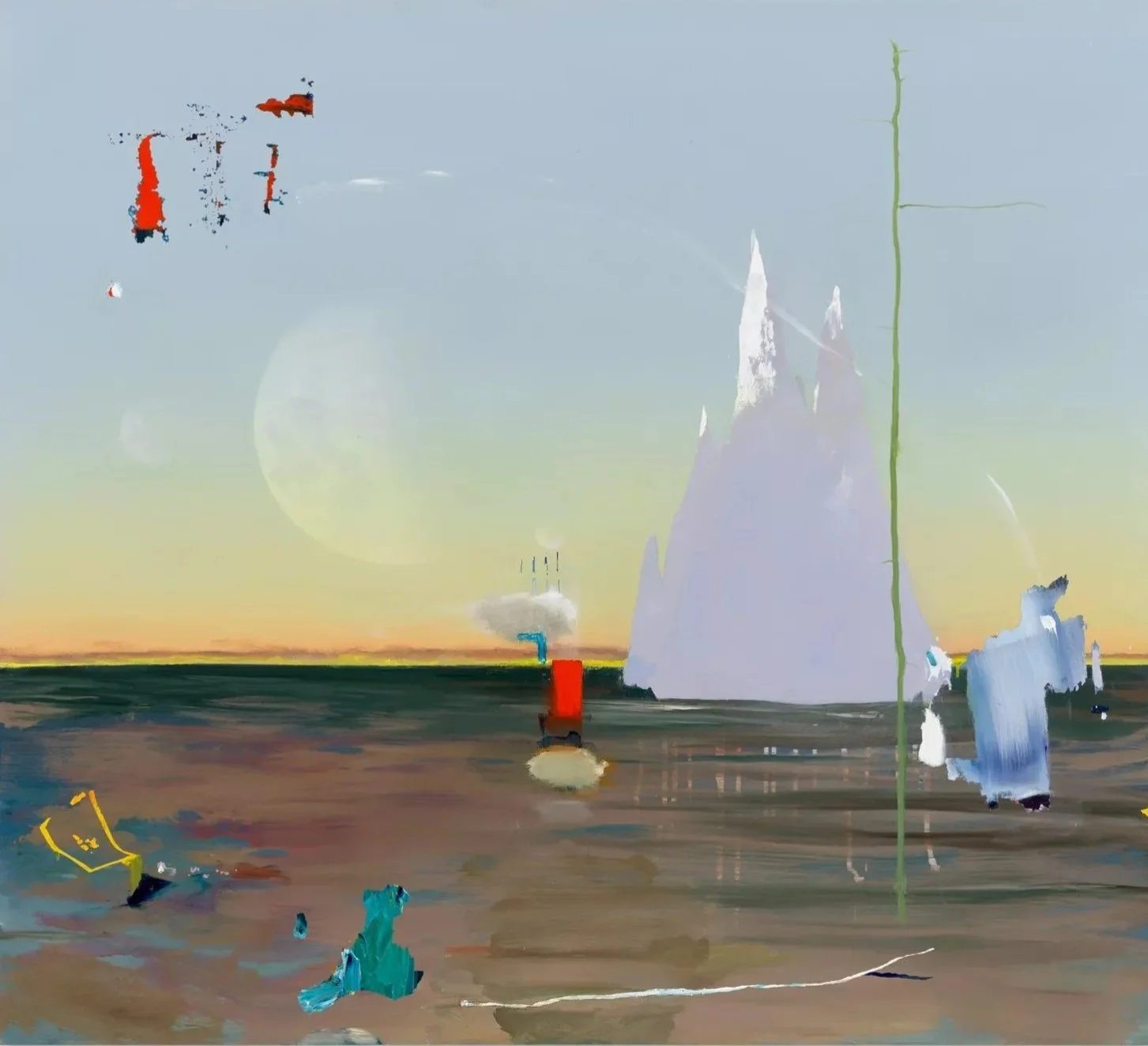
Tom LaDuke’s ambiguous, labor-intensive reflections at Miles McEnery.
It’s the unofficial starter pistol for NYC’s art season, soon joined by zine-fueled alt-exhibits, Independent and Art on Paper, the cooler siblings in the art family tree. But with tariffs tightening, interest rates climbing, and auctions swinging from fireworks to flops, the question lingers: is this frenzy a genuine boom, or just collectors sprinting ahead of Zohran’s next manifesto tweet?
The fair spans seven sections: Galleries, Solo, Function, Platform, Focus, Presents, and Not-for-Profit. Solo now bleeds into Galleries, where 303, White Cube, Sean Kelly, Tanya Bonakdar and Yossi Milo rubbed shoulders with Spinello Projects, SMAC Gallery, and Gallery Espace. The new Function section, curated by Ebony L. Haynes, explored art’s intersection with design: Andrew Kreps, James Fuentes and 56 Henry among the names.
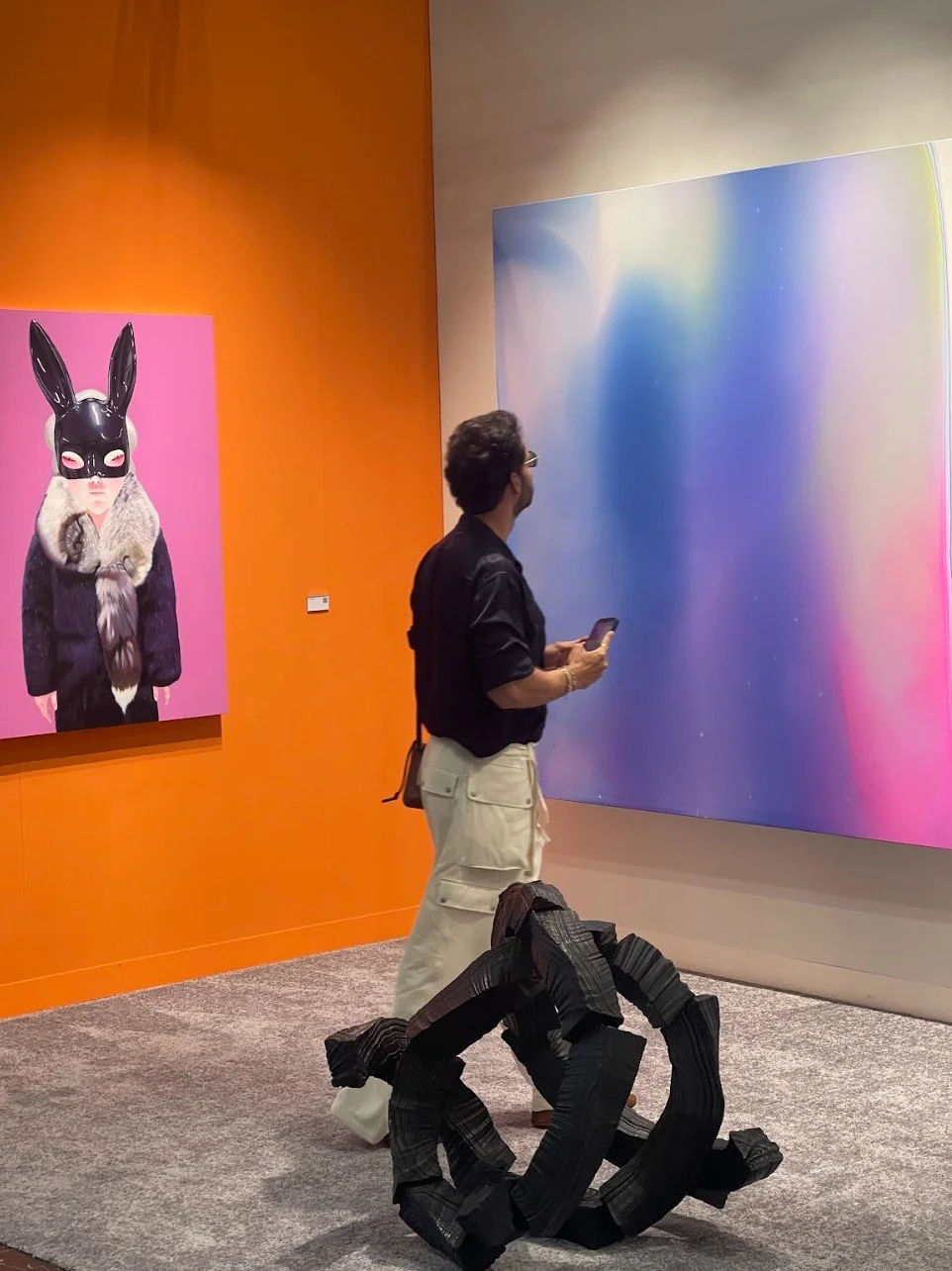
Kim Teak Sang and Lee So Yeun’s vibrant paintings at Seoul-based Johyun Gallery.
Outside, the market wobbled with sharks circling. Inside Javits the energy was steady-electric. Nothing fuels capitalism like fear of reckless socialism hovering like a bad chandelier, collapsing under its own naïveté. And yet it spurred strong curation, big gallery comebacks, and simple, smart choices from galleries and curators.
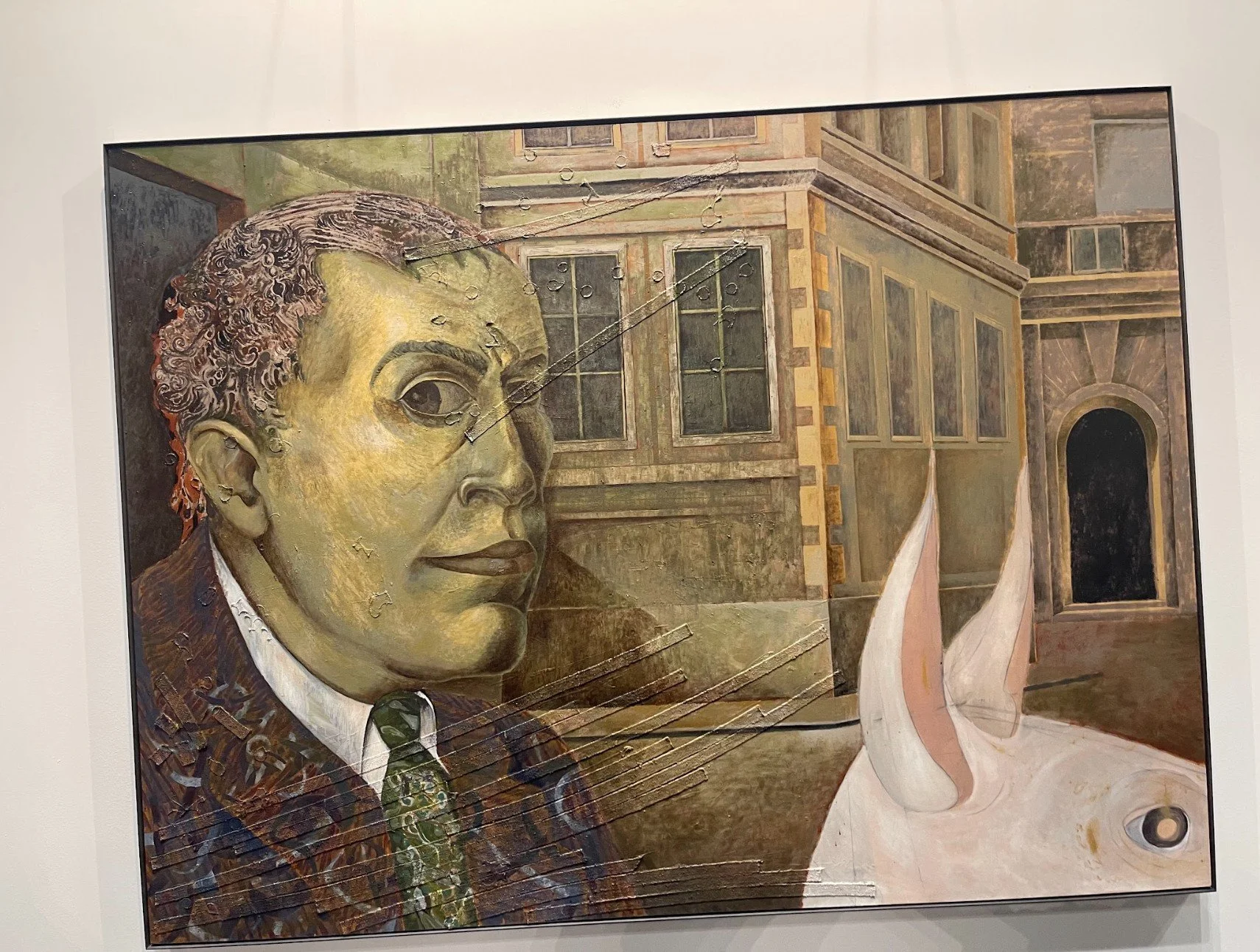
White Cube’s comeback to the show with Croatian born duo TARWUK.
Speaking of comebacks, Andrew Kreps and Esther Schipper showed face, while White Cube returned after a decade—a win credited to McMillan. Their booth buzzed around Croatian-born duo Tarwuk, whose war-haunted canvases moved at $65k–$100k, leaving smaller works at $10k–$30k for latecomers.
Sales highlights: Galleria Lorcan O’Neill scored the biggest at $1 million. Sean Kelly placed a Kehinde Wiley at $265k, James Cohan sold a Kennedy Yanko sculpture for $150k, and Tang Contemporary moved an Ai Weiwei “toilet paper” piece for up to $180k. Blum Gallery centered on Alex Katz’s October 2 (1962), priced at $1.2 million (unsold by Thursday), but a third of the booth with works by Nicholas Galanin, Erik Lindman, and Martha Tuttle ($16k+) moved steadily.
Saatchi Yates debuted with Ethiopian-born, London-based Tesfaye Urgessa, fresh from Venice Biennale spotlight. His contorted, chaotic bodies drew crowds—large canvases at $135k–$200k, smaller works at $7k–$25k moving fast.
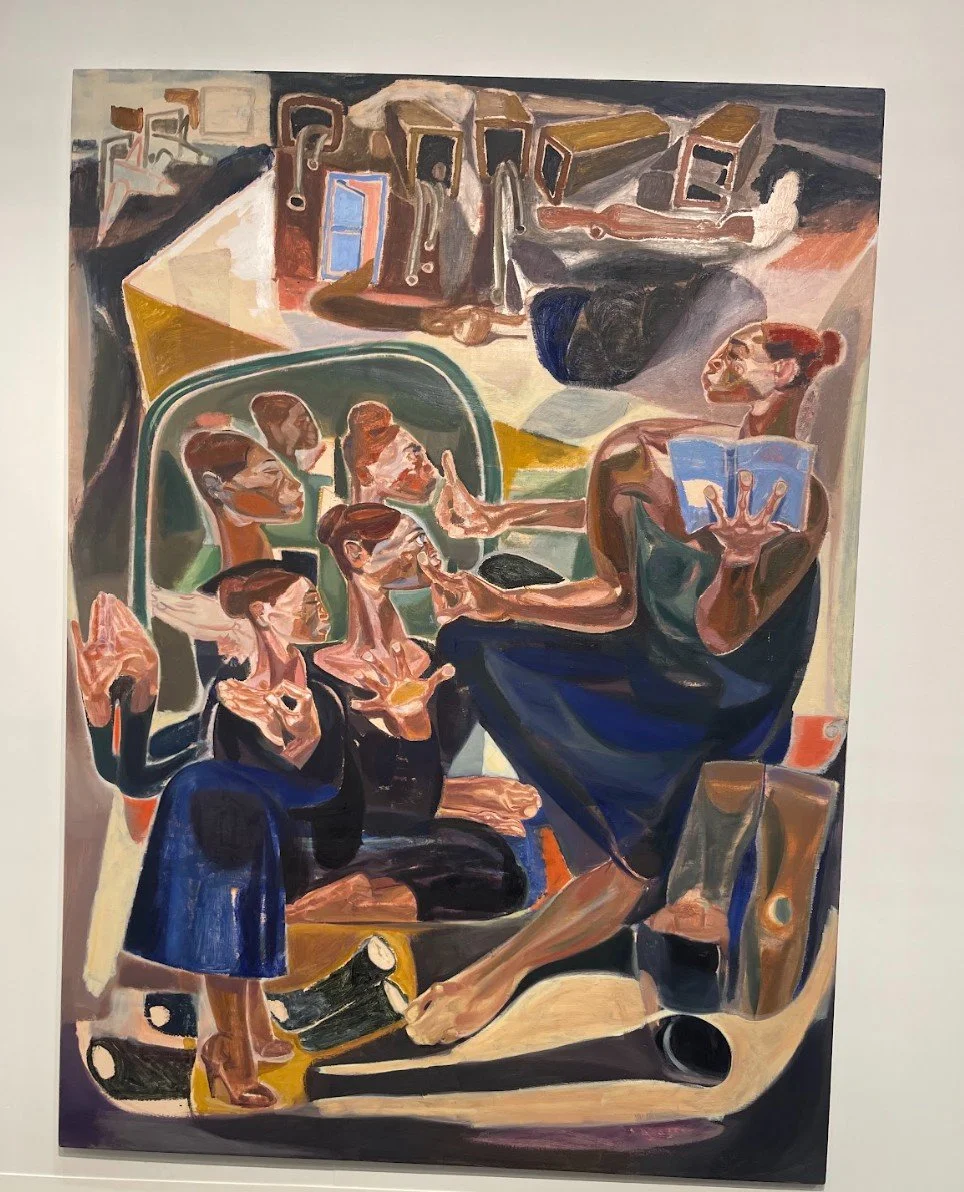
Saatchi Yates the Armory show debut with Tesfaye Urgessa.
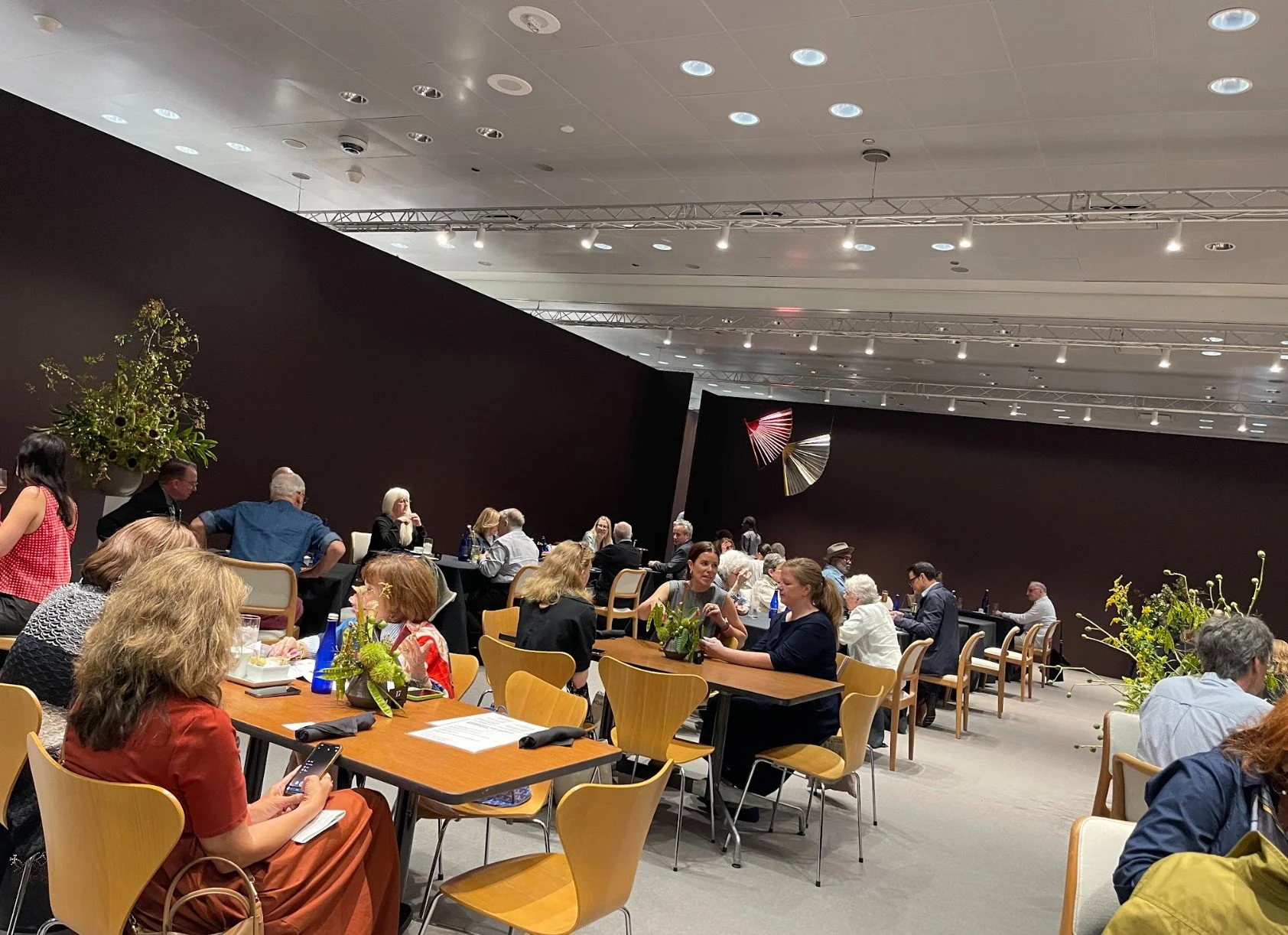
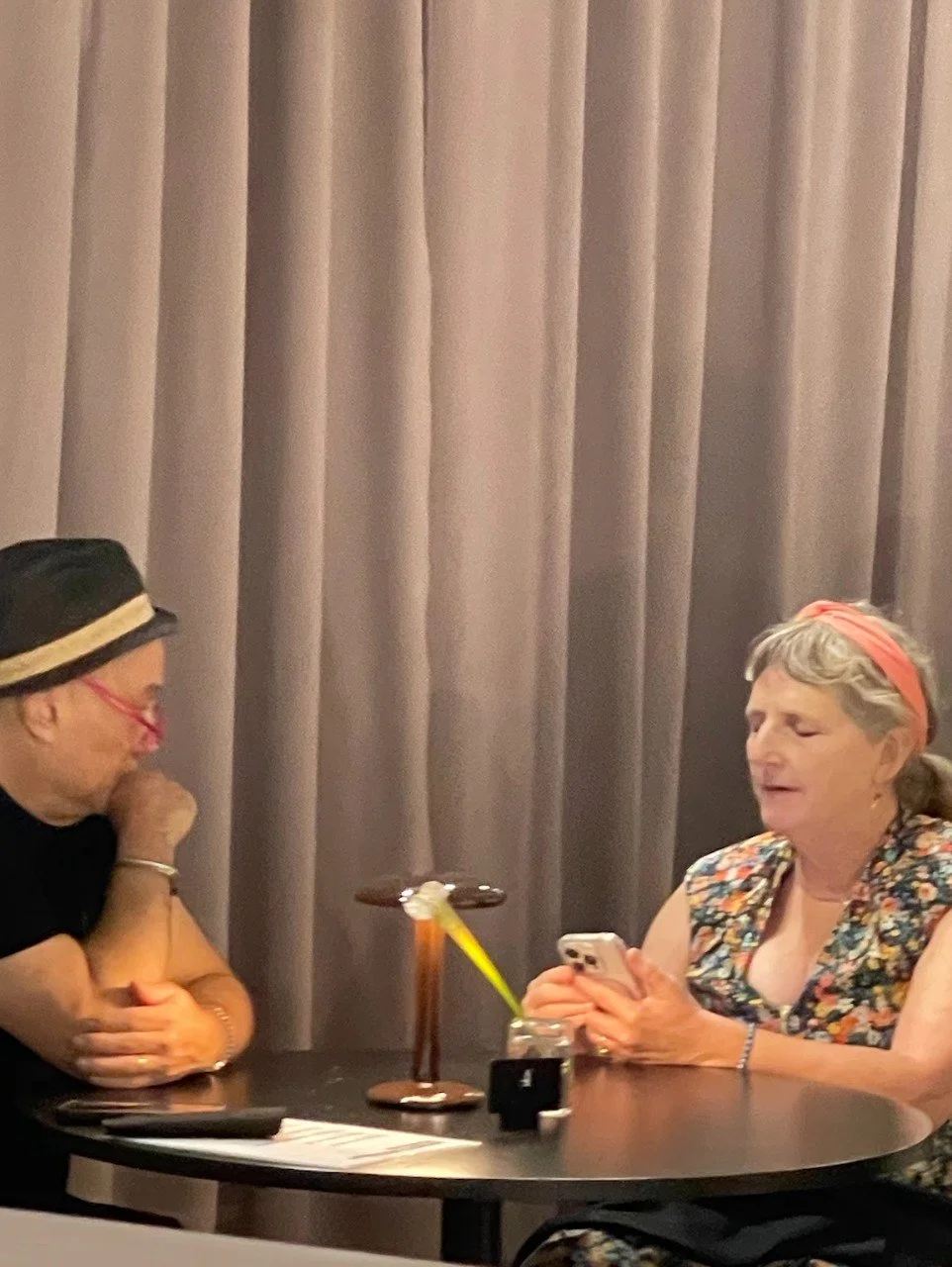
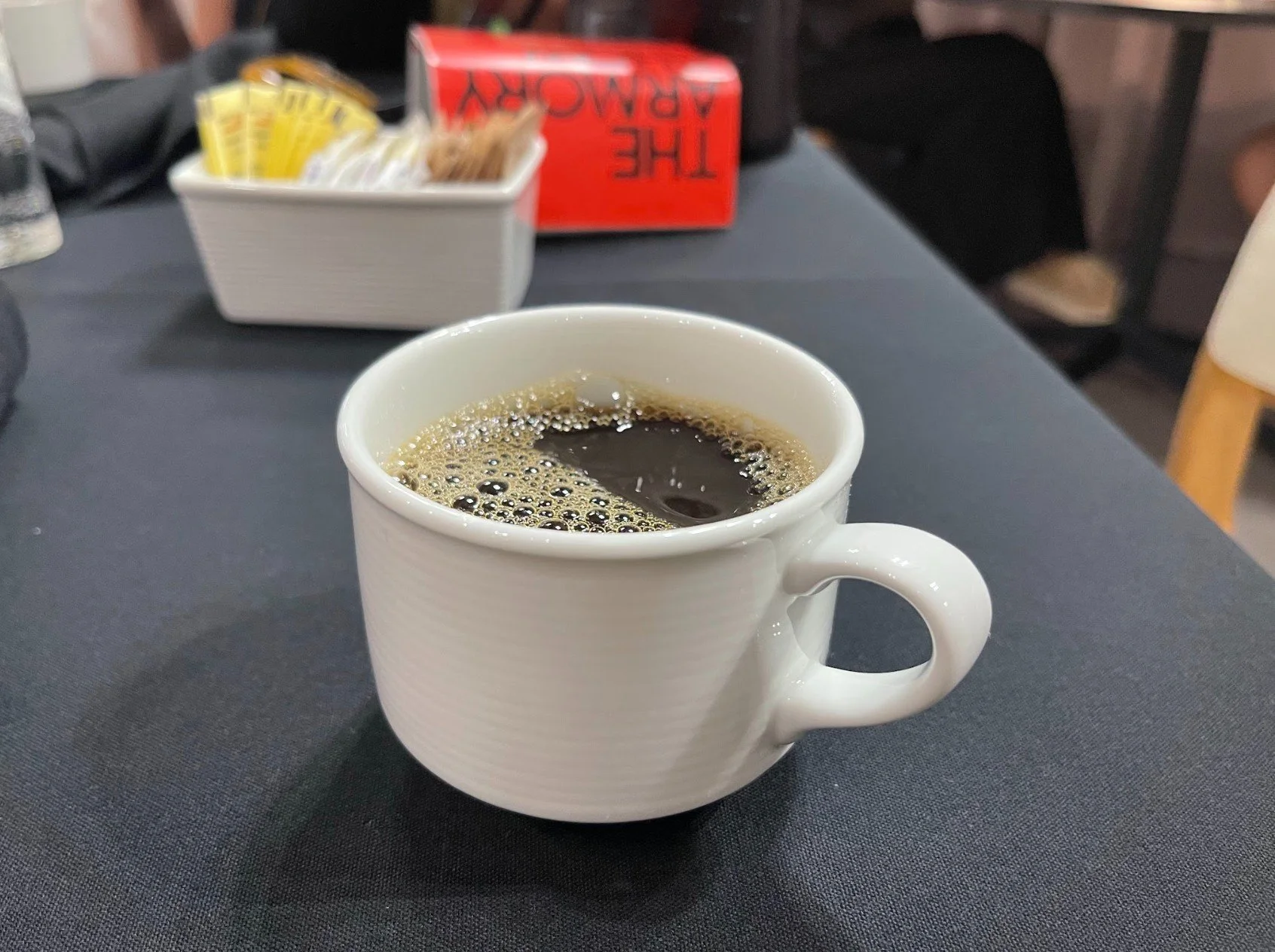
The VIP lounge? $35 champagne poured into mediocrity. Dark brown décor whispered more champagne socialism than sophistication. Attention to detail? Absent. Quality? Nonexistent. We know nobody really comes here for the lounge (or maybe some do), but if you’re selling VIP access, spare us the cup without a saucer and Splenda packets on the table. Oh well. Still, global power players exchanged contracts, swapped gossip, and flexed performative smirks, while the halls pulsed with drama: color-screaming canvases, monumental sculptures, and installations.
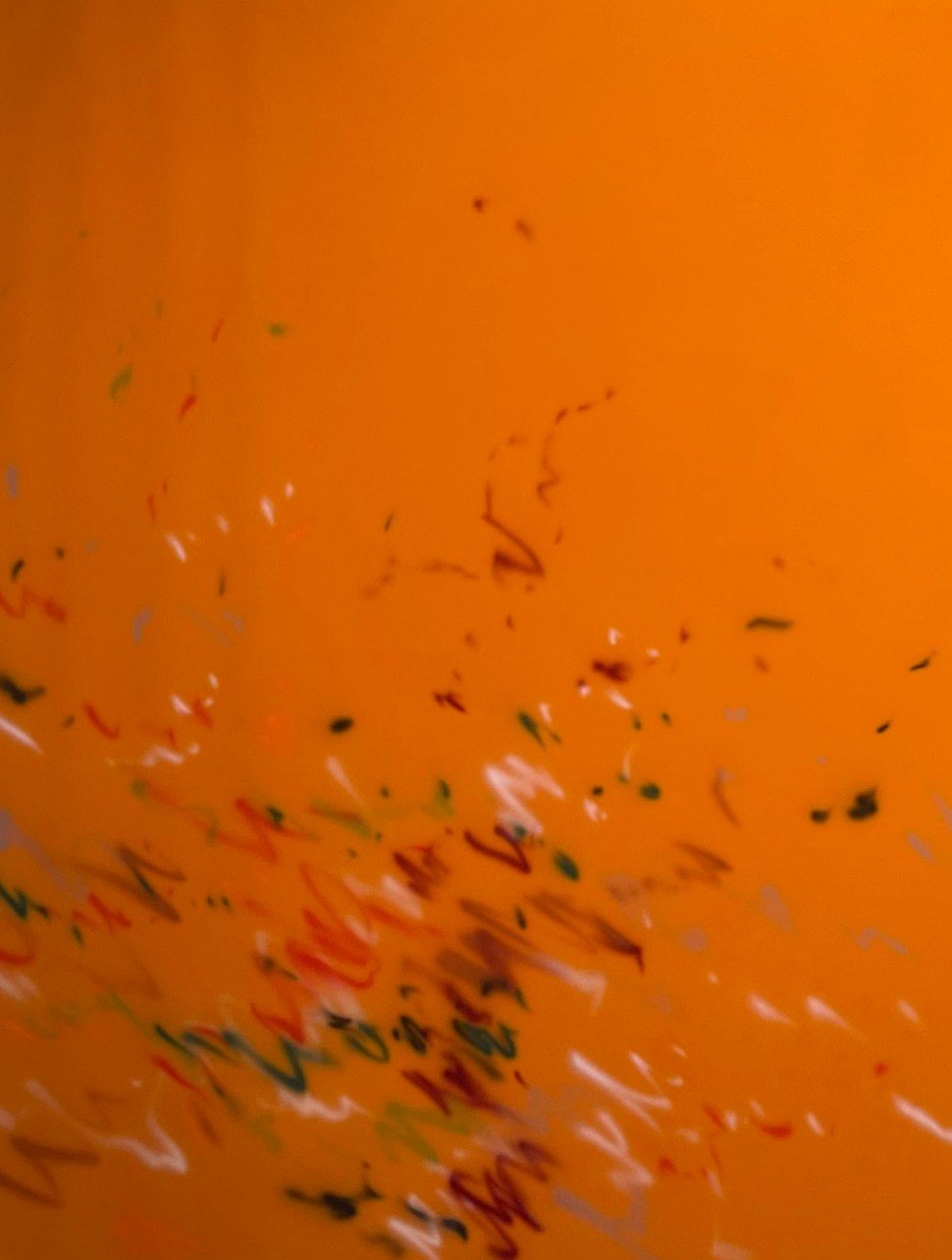
Frederic Anderson pulsing with energy at Van de Weghe.
Standouts: Frederic Anderson pulsing with old-school jazz energy at Van de Weghe, Rachel Mica Weiss’s gut-punch embroidered installation at Carvalho Park; Tom LaDuke’s ambiguous, labor-intensive reflections at Miles McEnery; Kim Teak Sang and Lee So Yeun’s vibrant paintings at Seoul-based Johyun Gallery; Marlon Portales’s nocturnal scenes at Spinello Projects and deeply moving exploration of Carceral Views. Victoria Miro spotlighted Doron Langberg’s diaristic portraits, alongside Bas, Berrío, Kusama, and Yukhnovich.
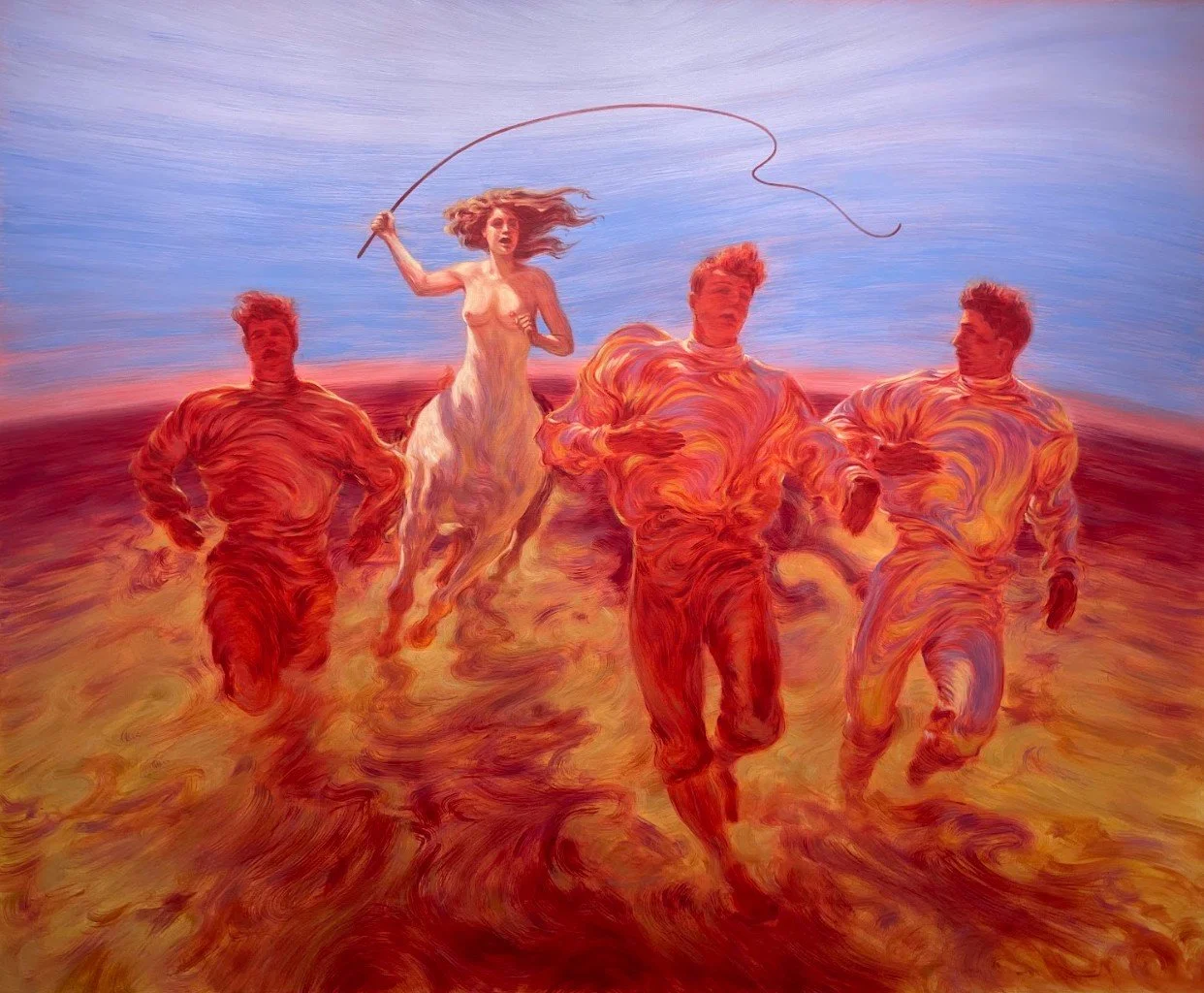
Marlon Portales’s nocturnal scenes at Spinello Projects.
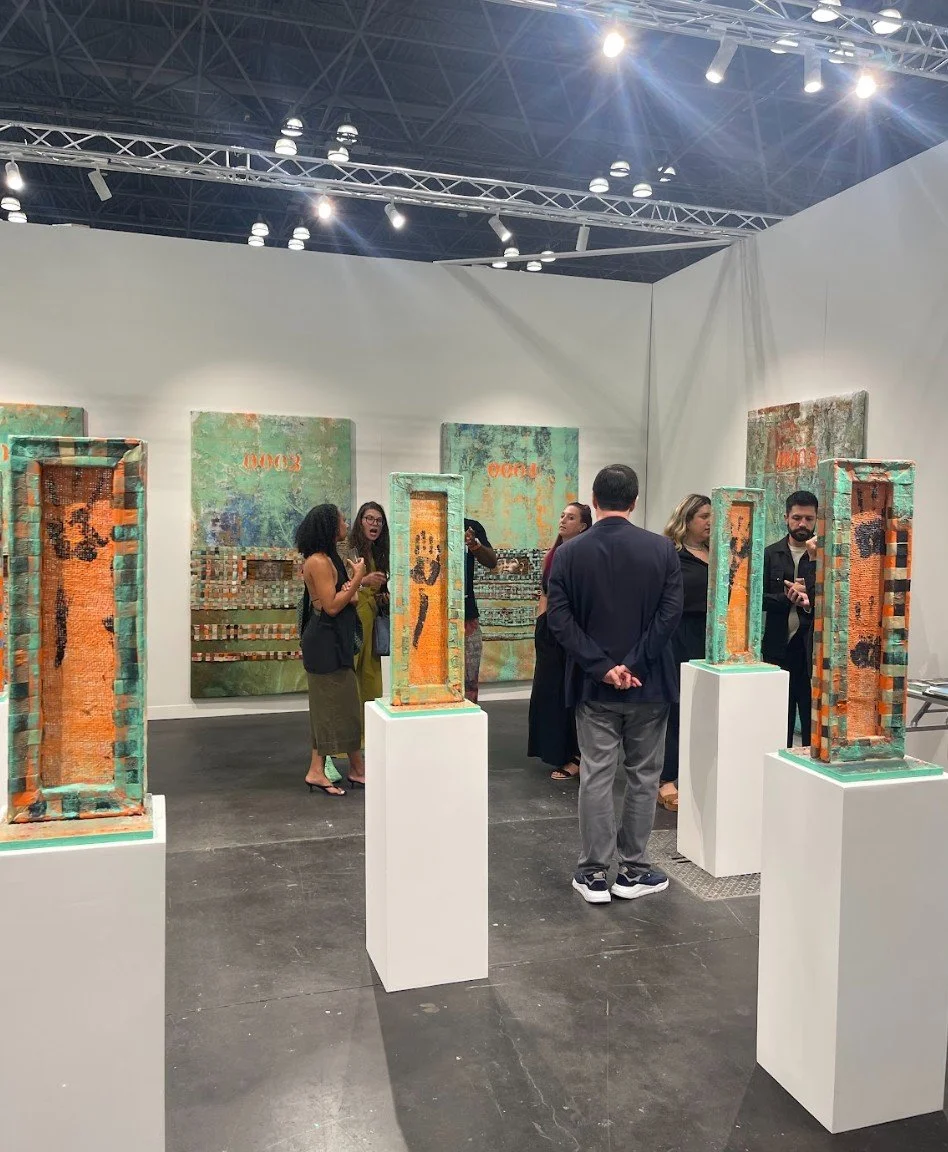
Show Stopper: Russel Craig - “Carceral Views”.
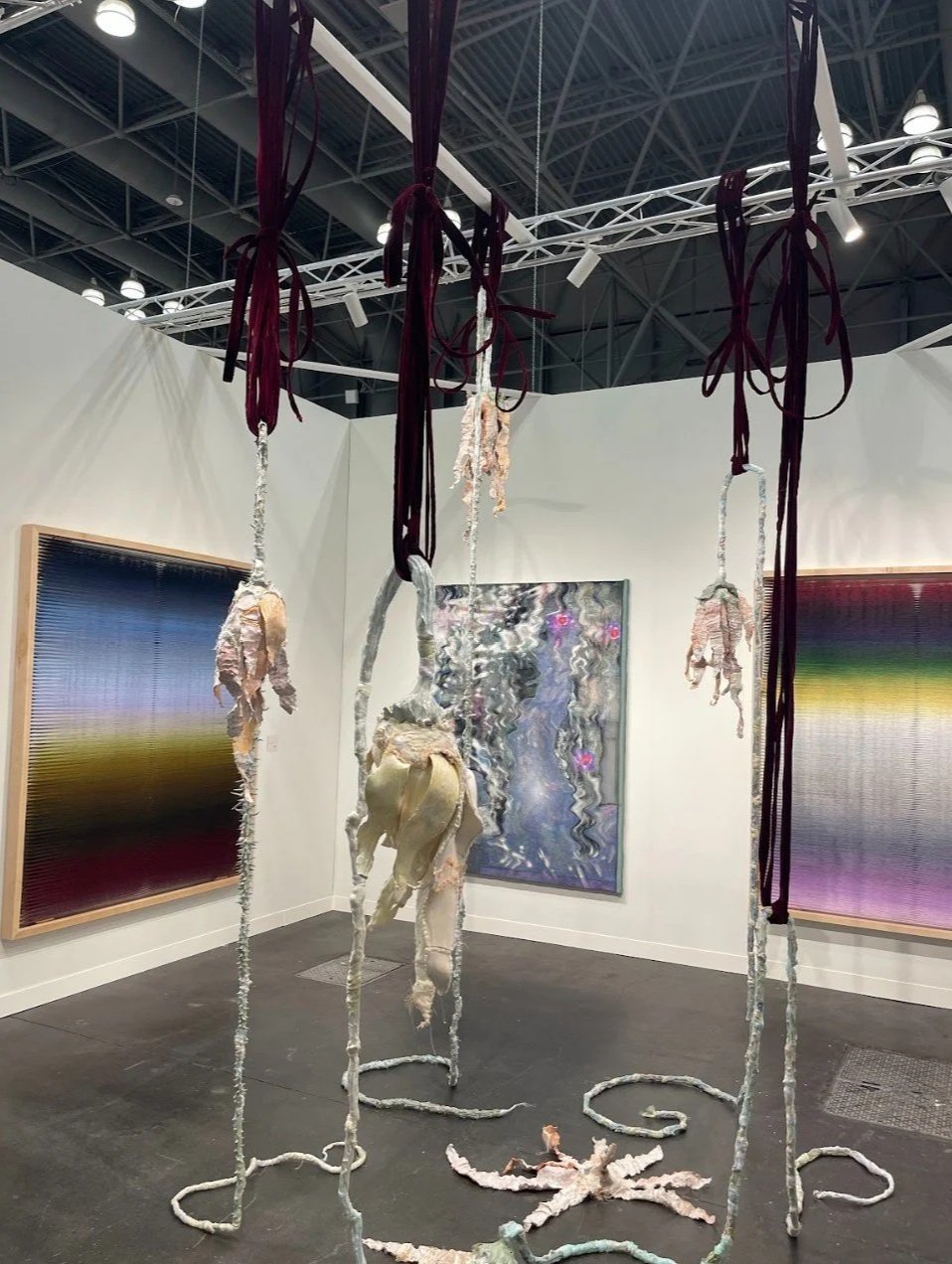
Rachel Mica Weiss’s installation at Carvalho.
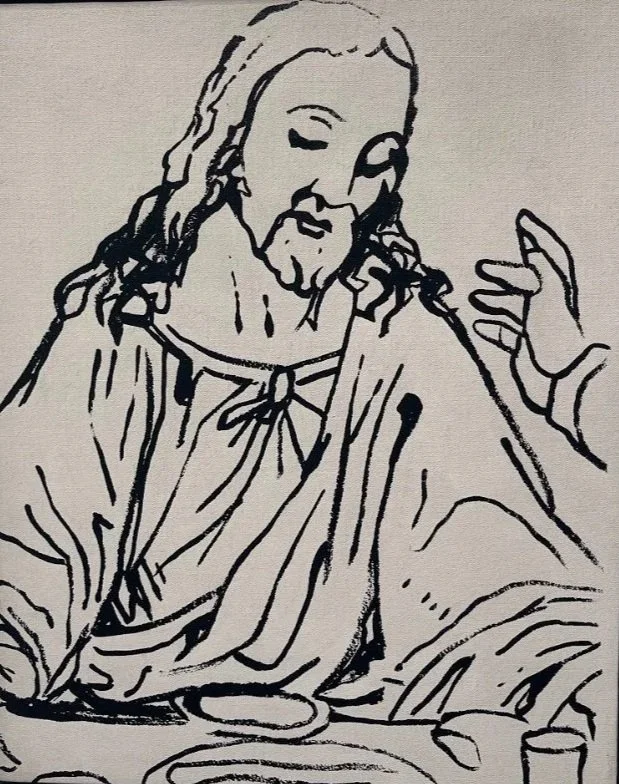
Andy Warhol - “Last Supper” 1986.
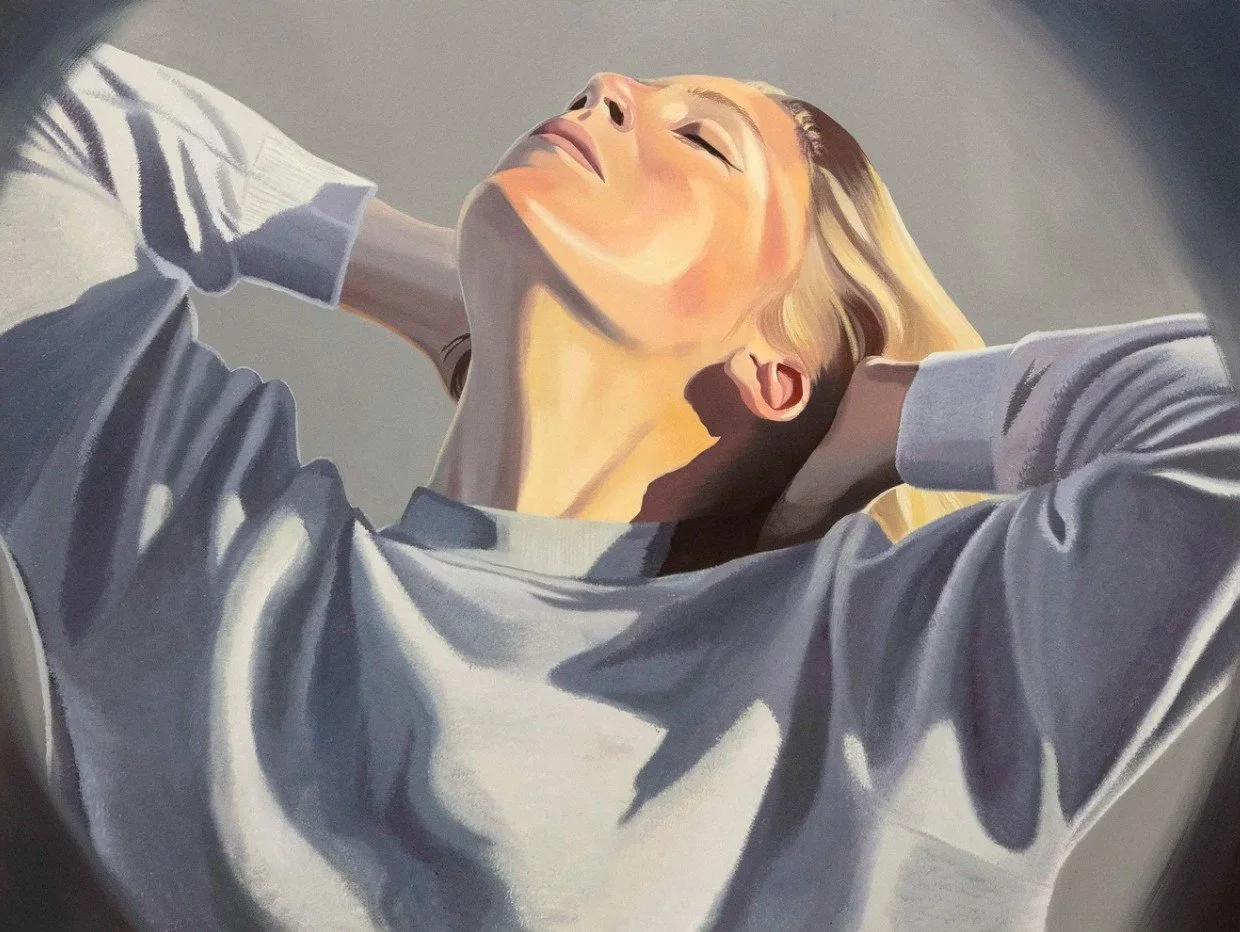
Molly Bounds first NYC exhibition presented by Mrs. gallery.
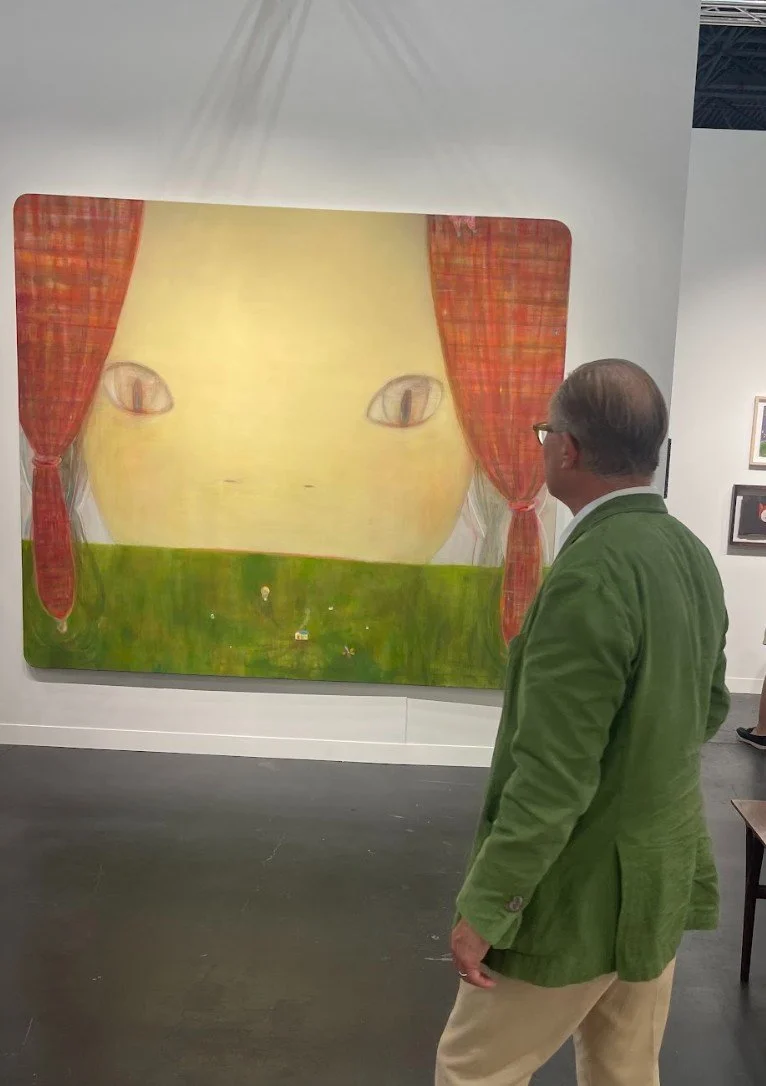
Yoshitomo Nara
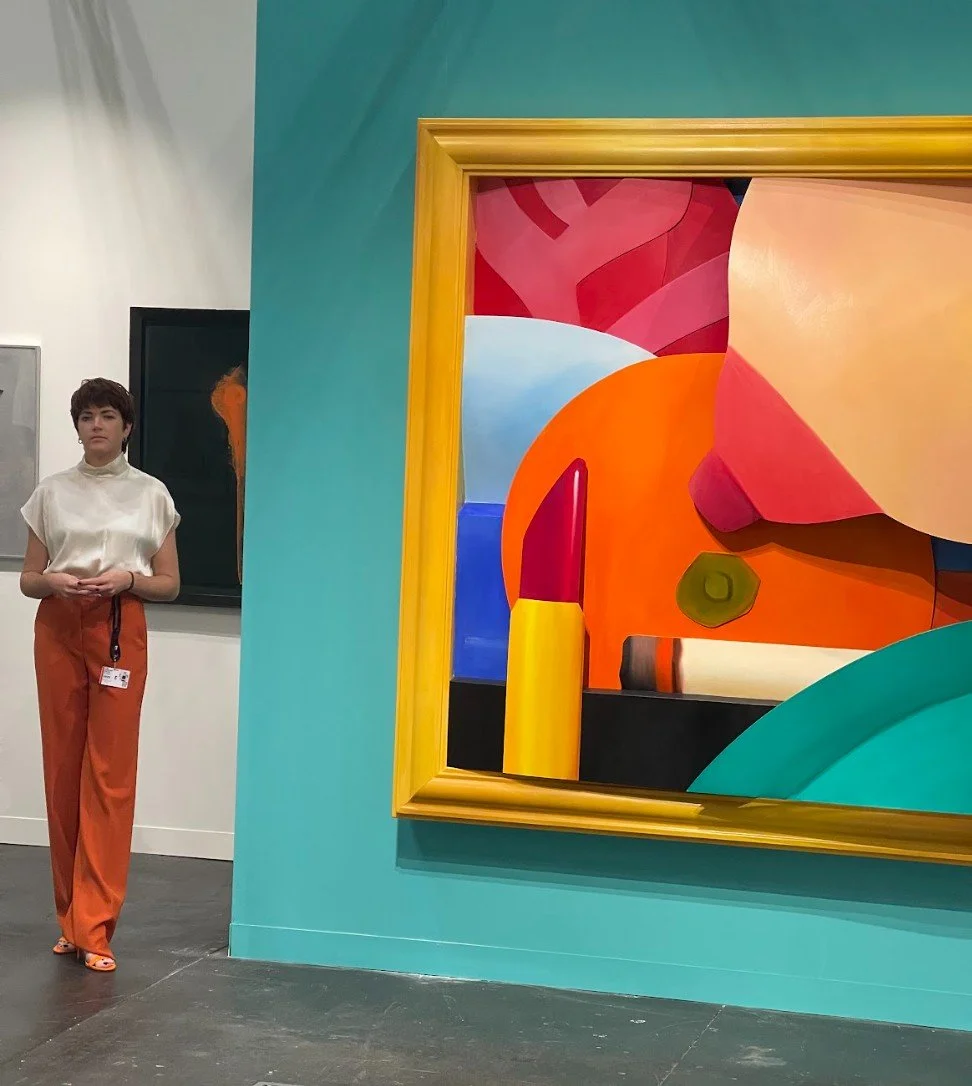
Ludorff: Tom Wesselmann - “Bedroom Breast”.
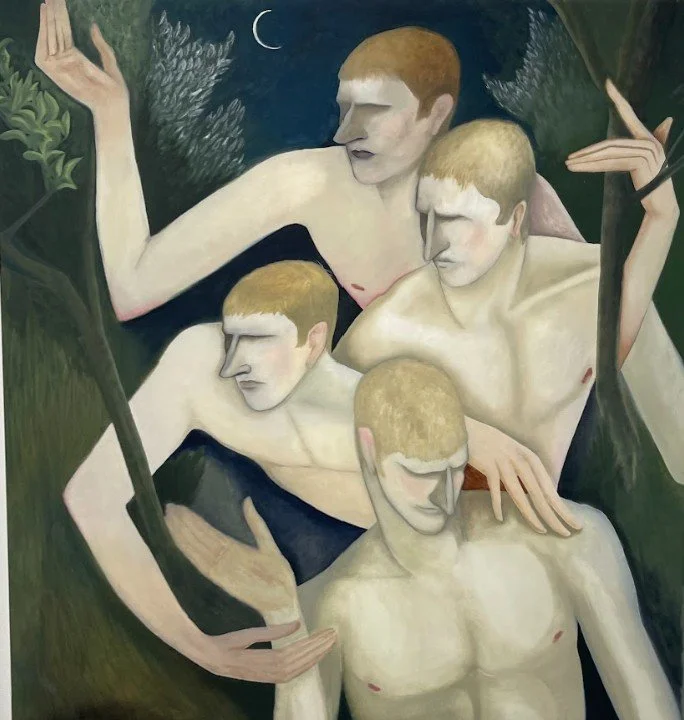
William Brickell “Rude Mechanicals” - Michael Kohn Gallery.
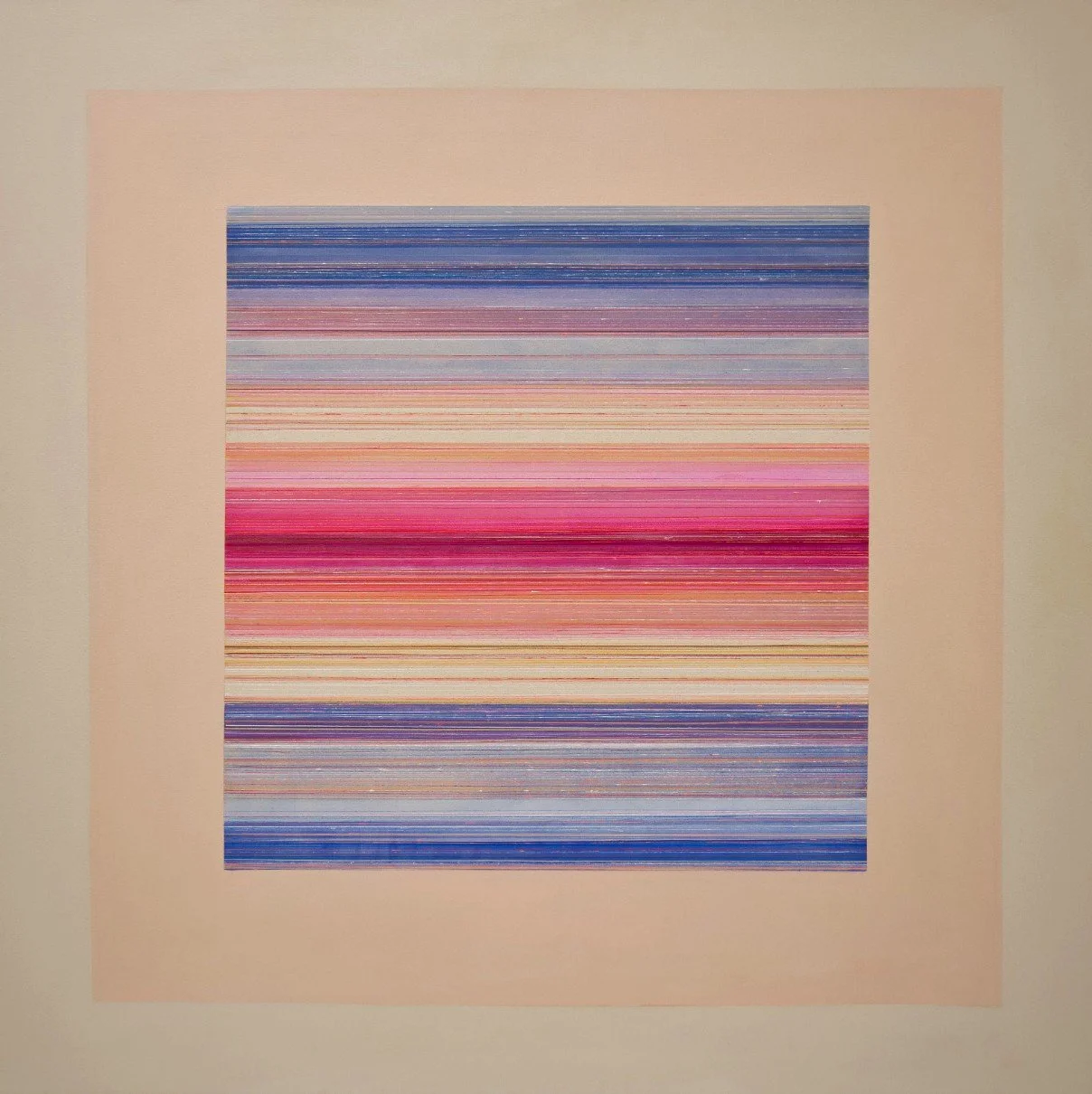
Antonietta Grassi at Patrik Mikhail.
At Canadian gallery Patrik Mikhail, Antonietta Grassi paid homage to women artists from—or strongly connected to—the American South, including Agnes Martin, Alma Thomas, and the Gee’s Bend quilters, blending modernist abstraction with textile and craft legacies.
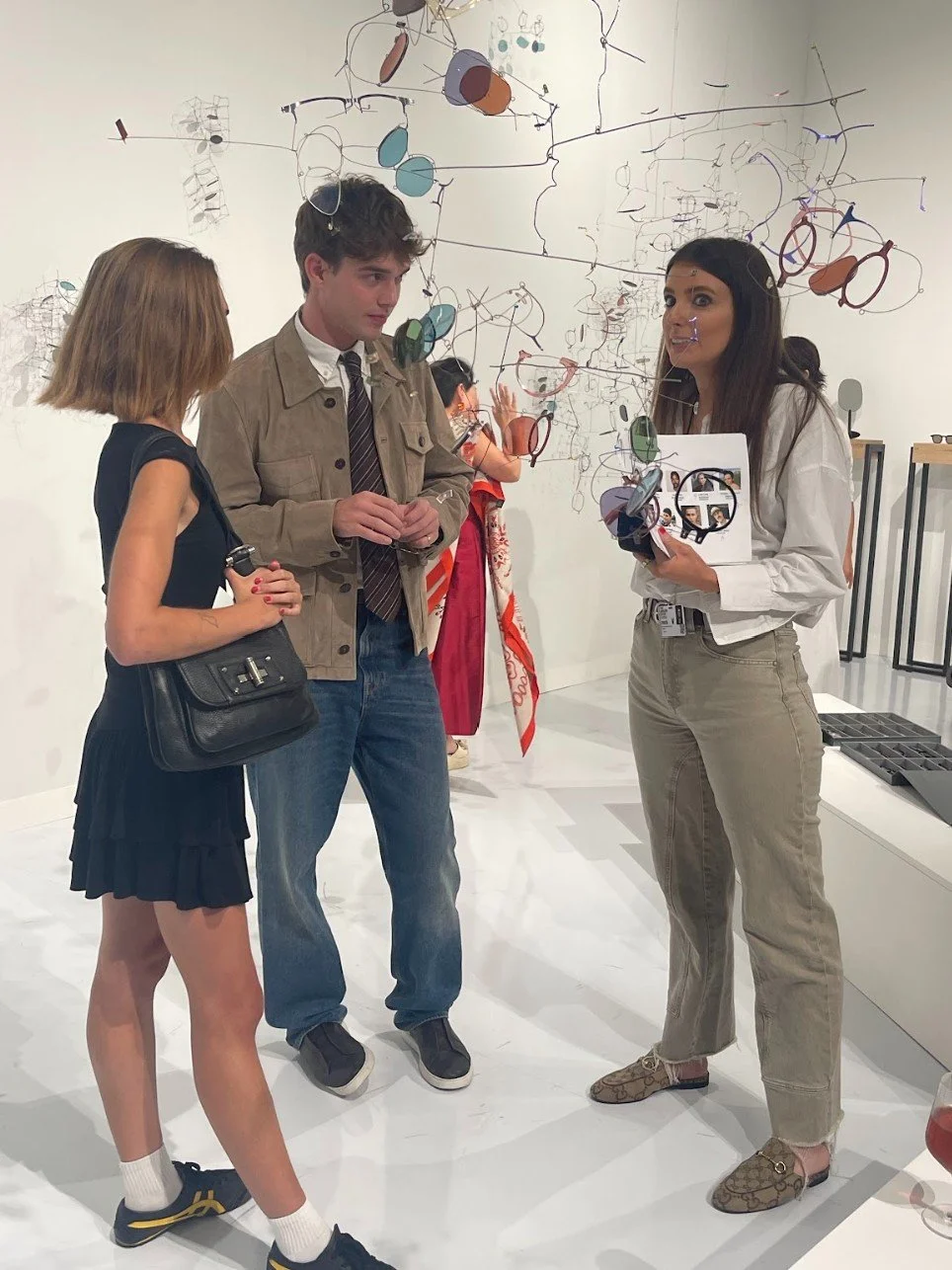
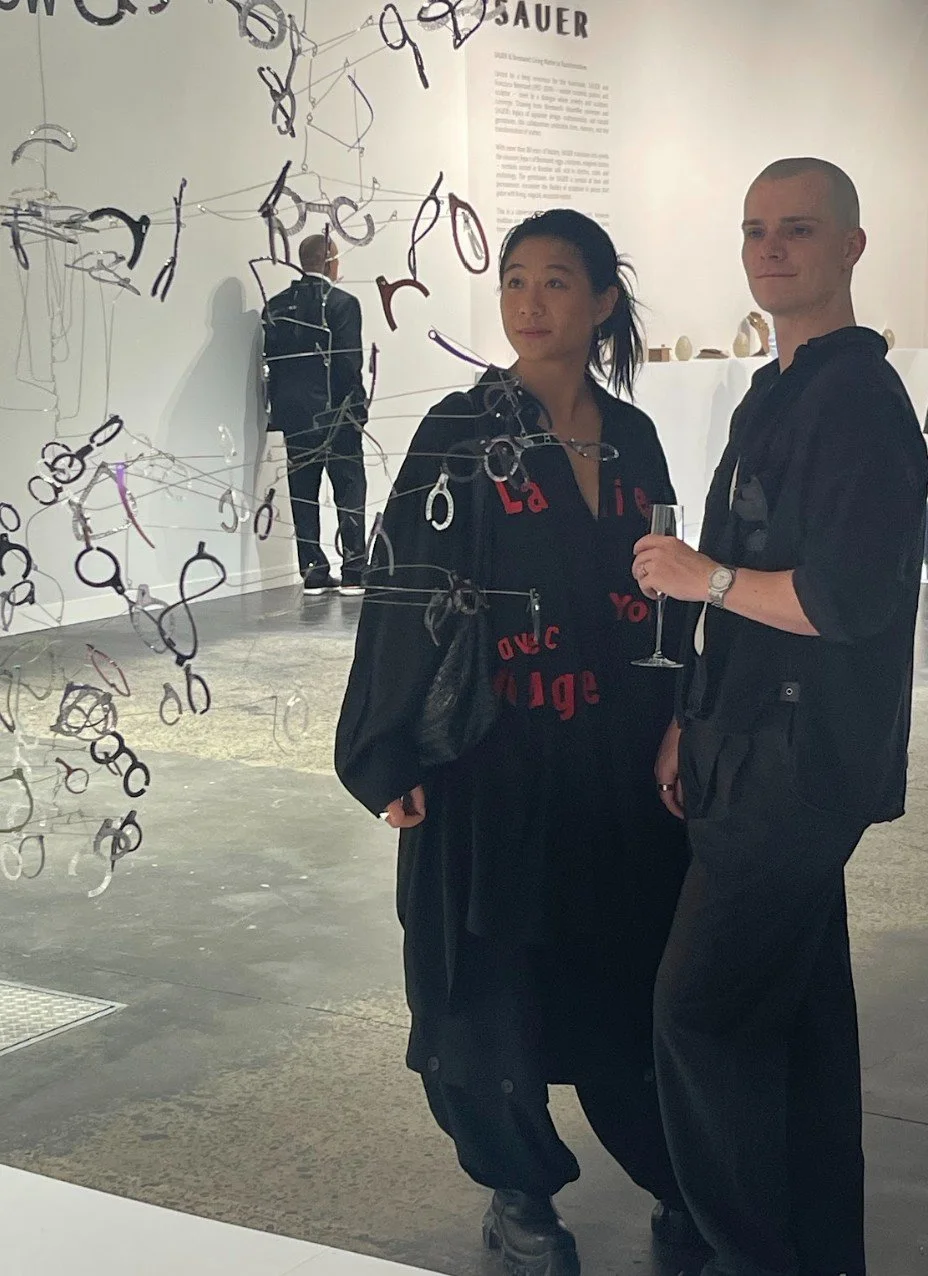
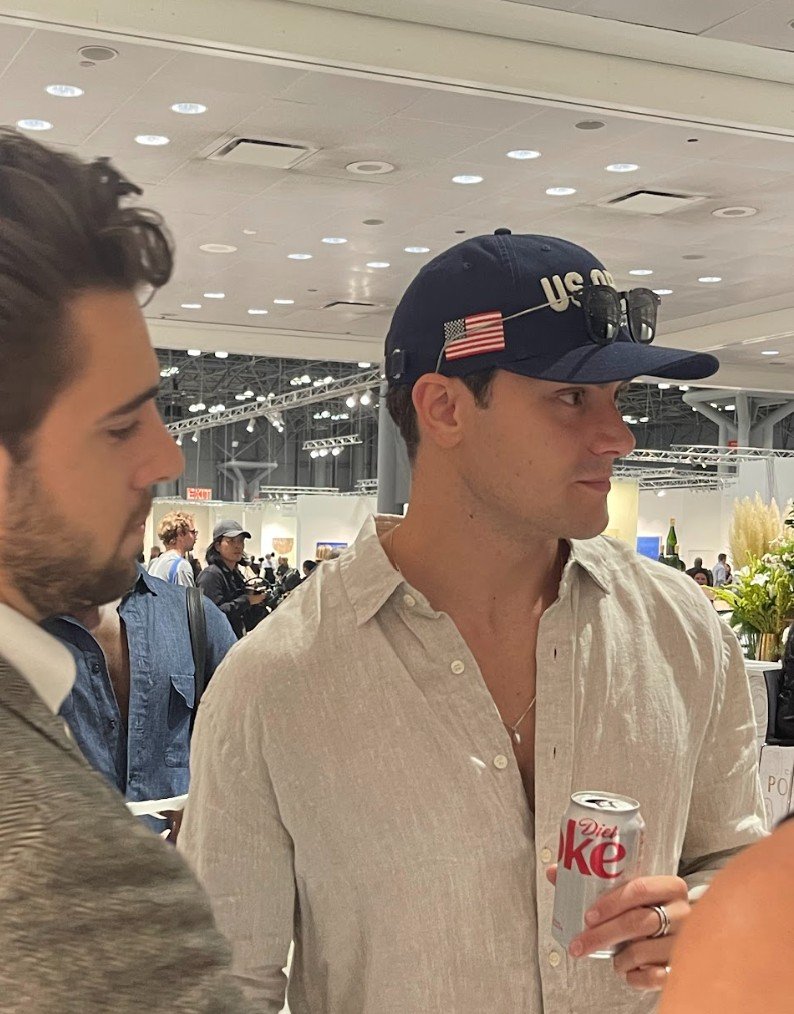
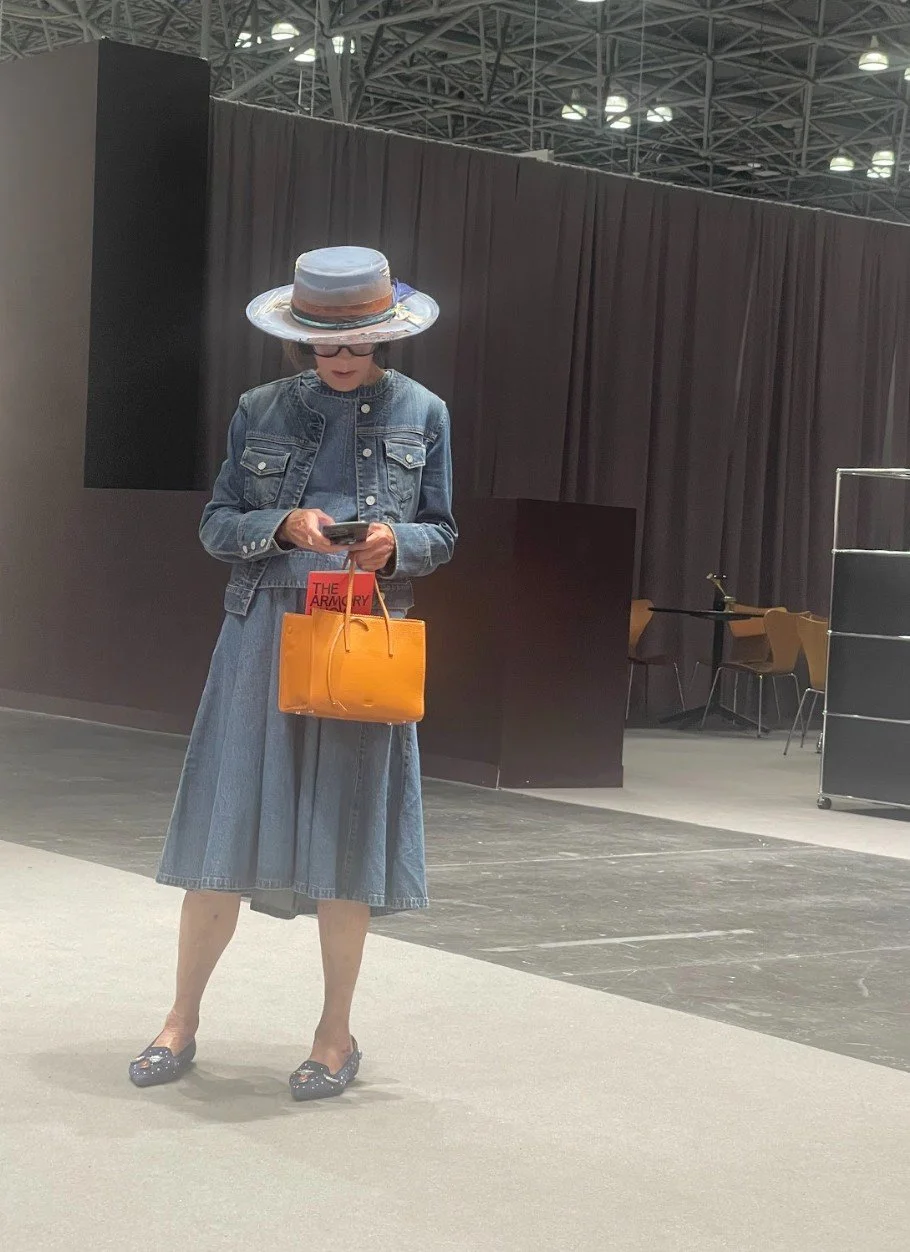
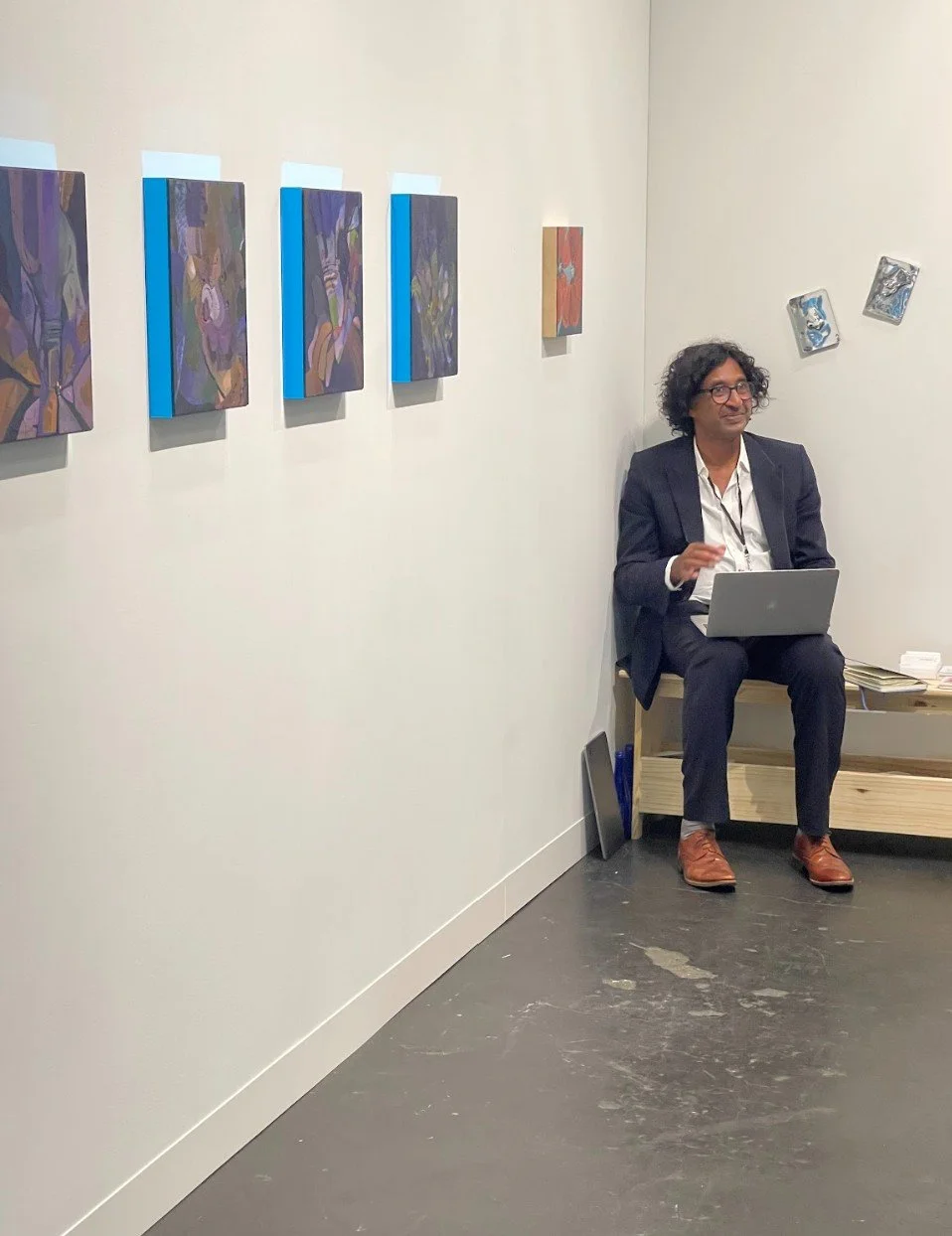
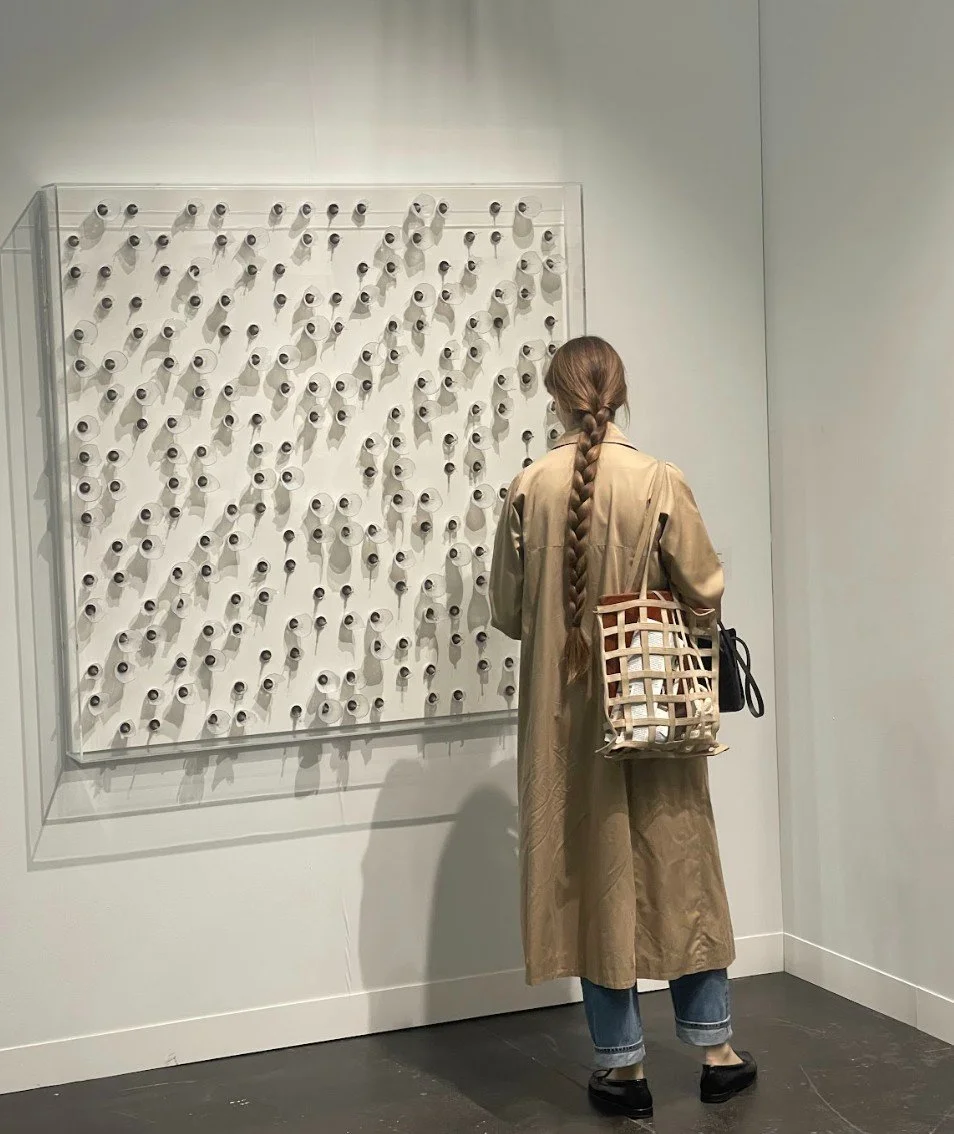
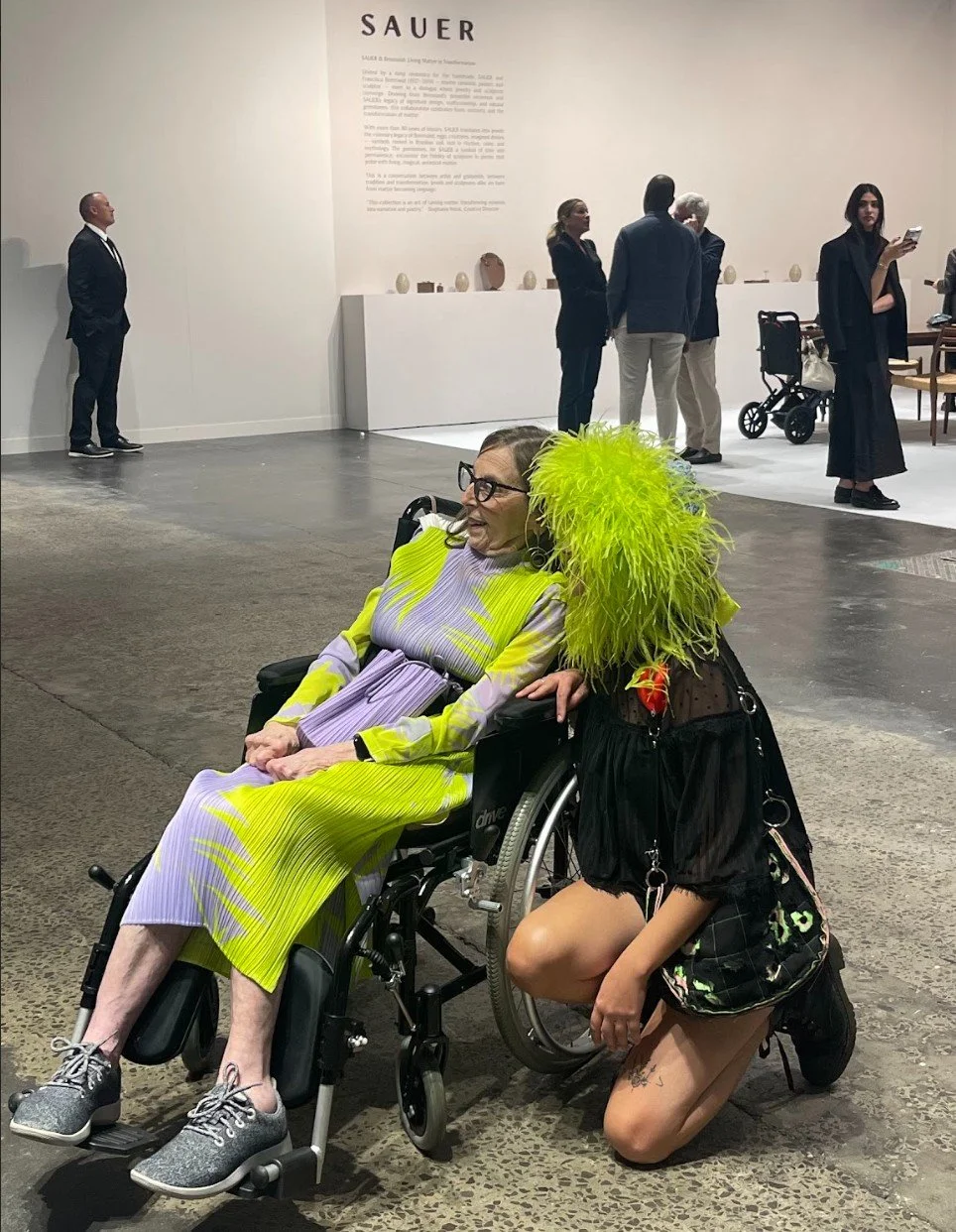
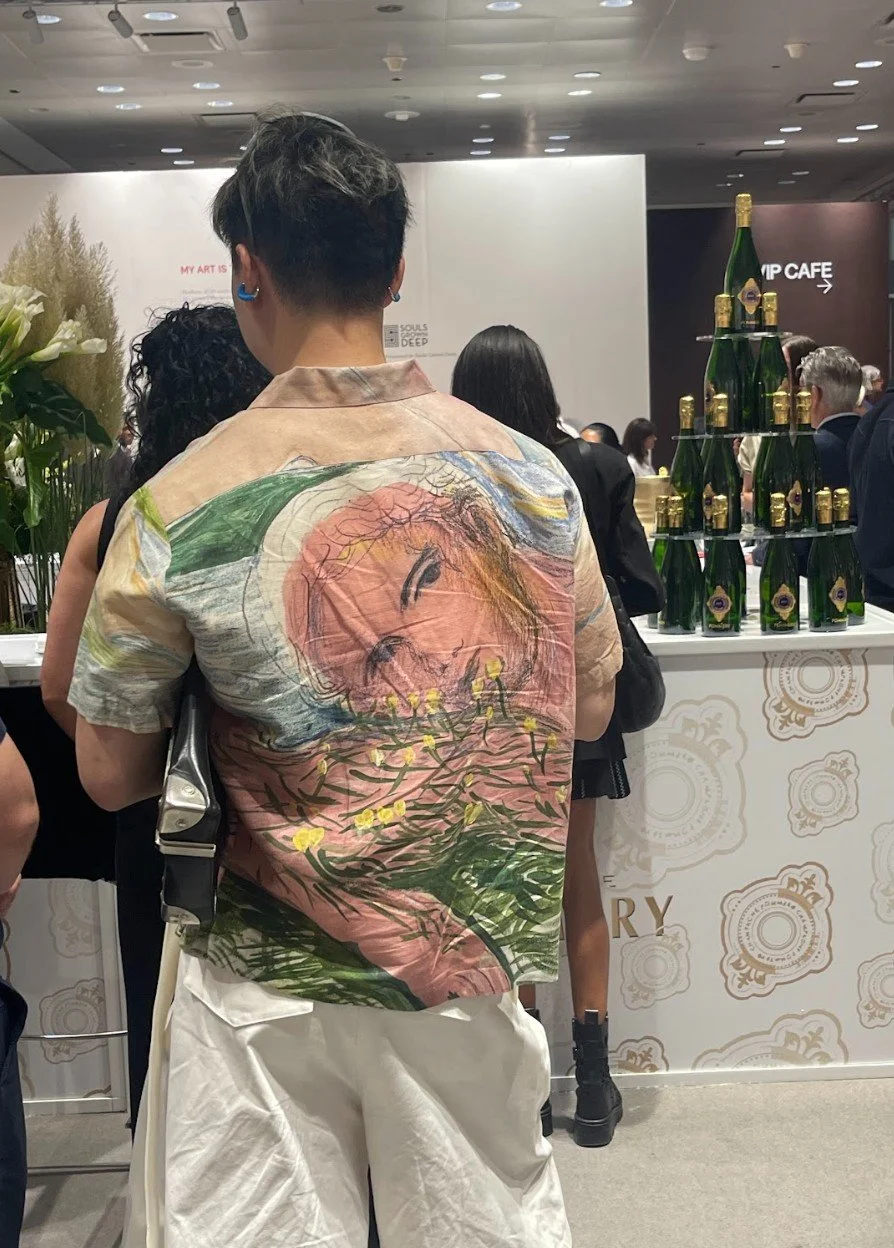
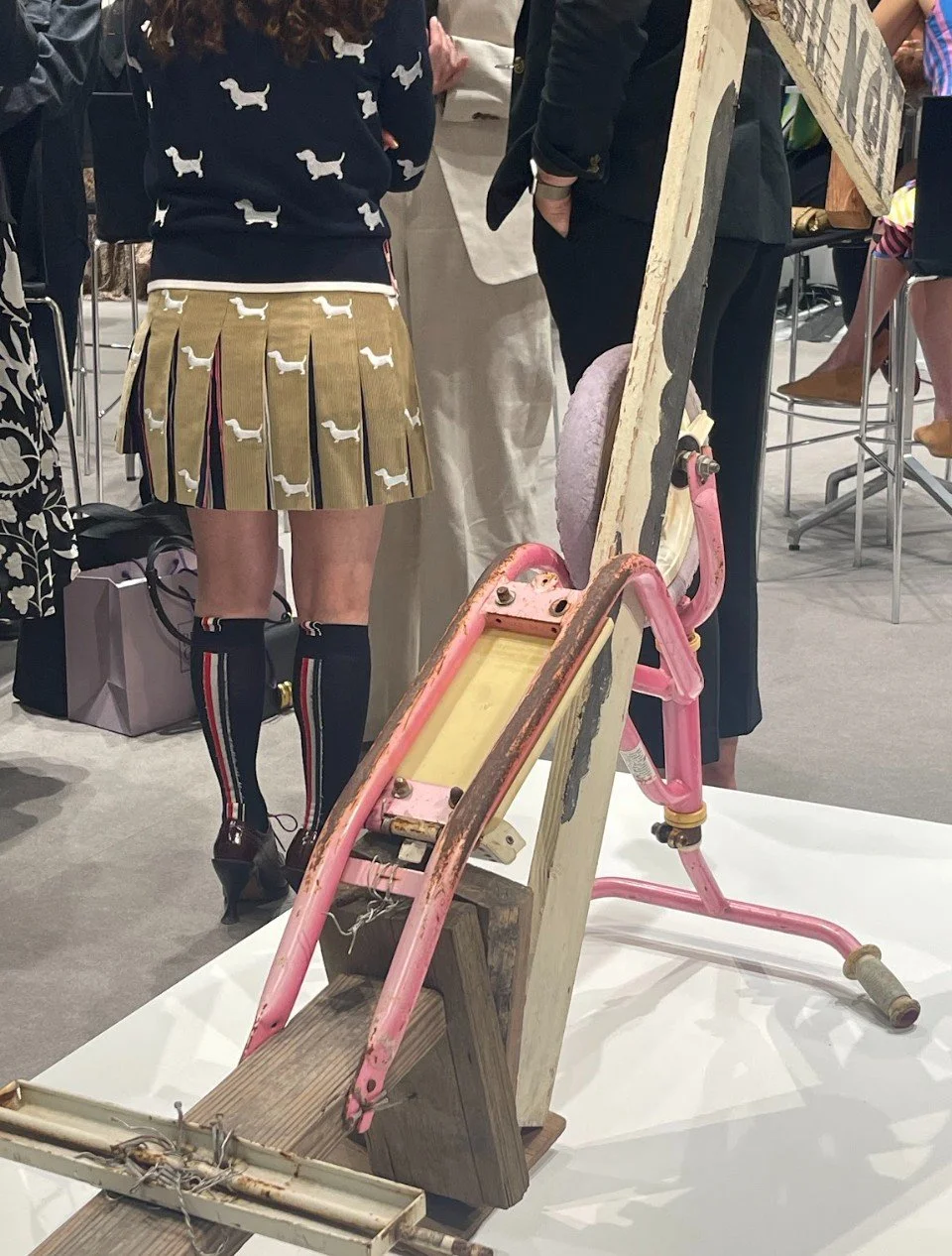
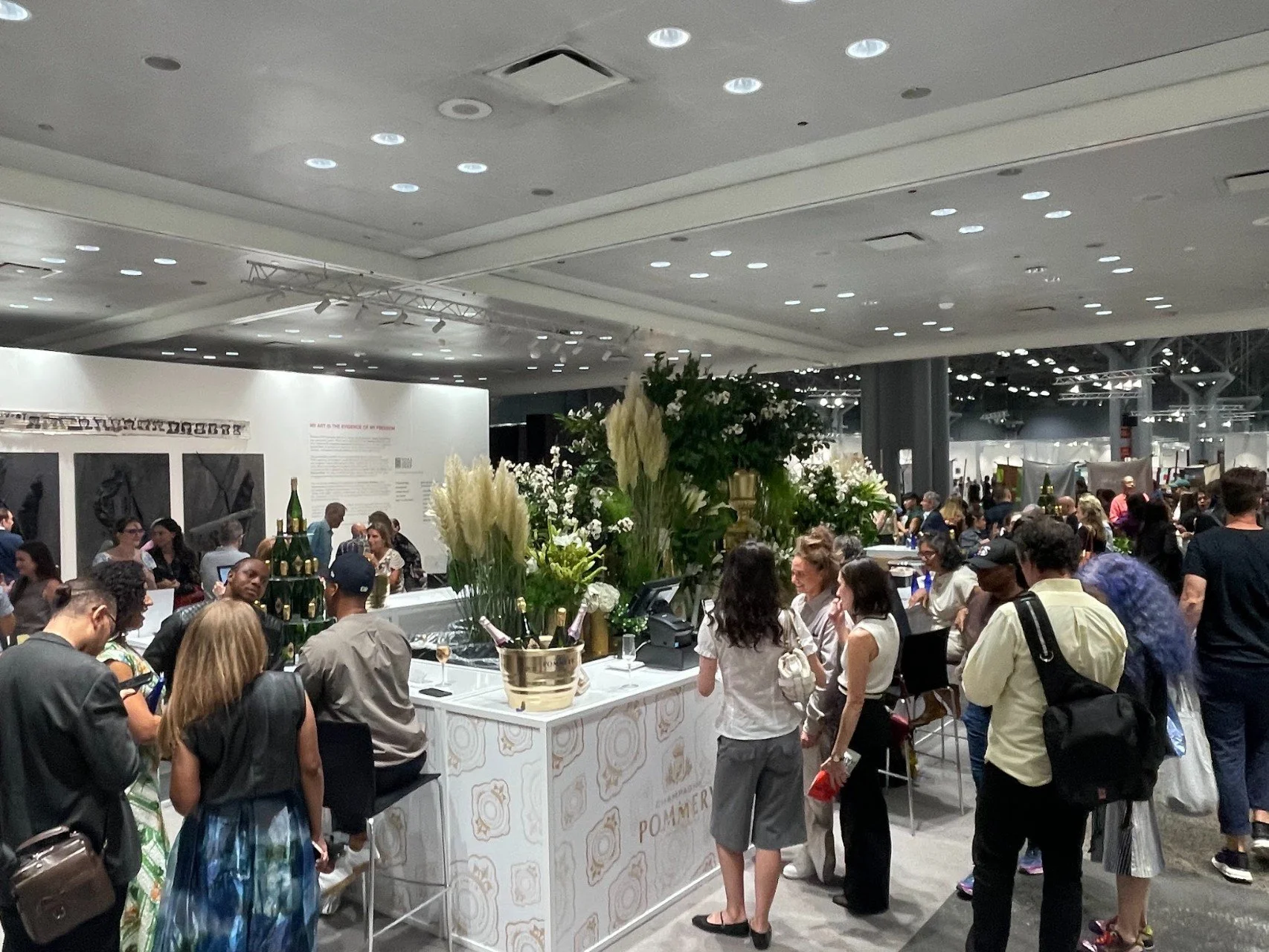
The mood? Enthusiastic but tempered. The art was good, sharp at times, and promising. Energy throughout the aisles made this Armory one of the strongest in years. Some presentations felt recycled, but vibrant compositions prevailed. Clients shopped opportunity and a fresh outlook, a contrast to NYC’s lately sleepy gallery scene.
And the bigger question: are these works bought from conviction or panic, as New York teeters under a fantasy socialist daydream? Ironically inside Javits, capitalism didn’t whisper.
Art season is here. Buckle up the spectacle is here, but stability? Not so much.