With his new show at Gagosian, Nathaniel Mary Quinn channels Alice Walker and Francis Bacon to forge raw, fragmented portraits of vulnerability and emotional intensity.

Nathaniel Mary Quinn: Echoes from Copeland, an exhibition of new paintings at Gagosian, New York, draws vulnerability from Alice Walker’s novel “The Third Life of Grange Copeland” while echoing Francis Bacon’s mastery of spatial tension and the line between inner and outer worlds. Excavating the unanswered questions of his own upbringing and the loss of his mother, Mary, Quinn delivers raw, striking portraits that confront viewers with immediate and profound emotional intensity.
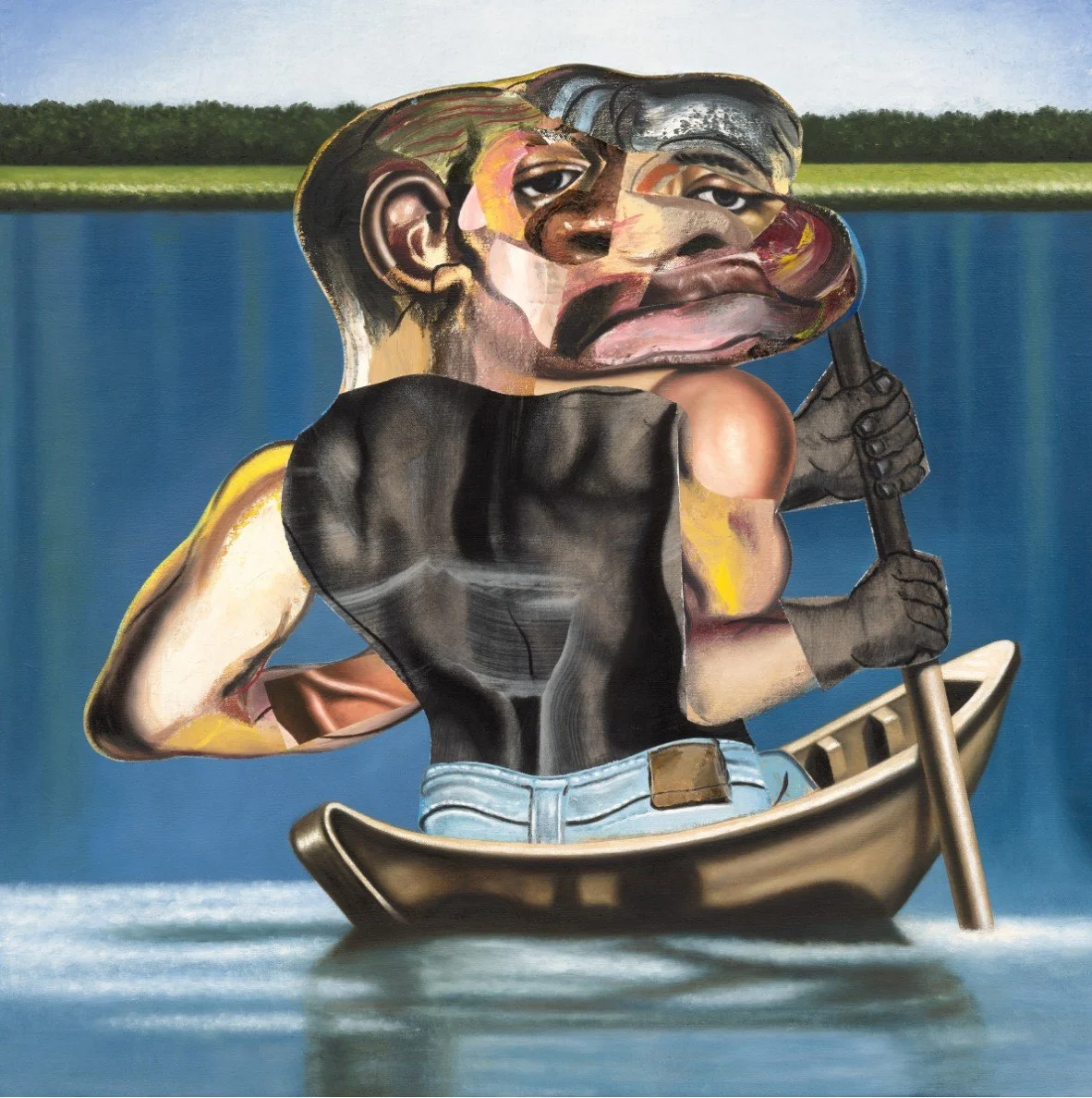
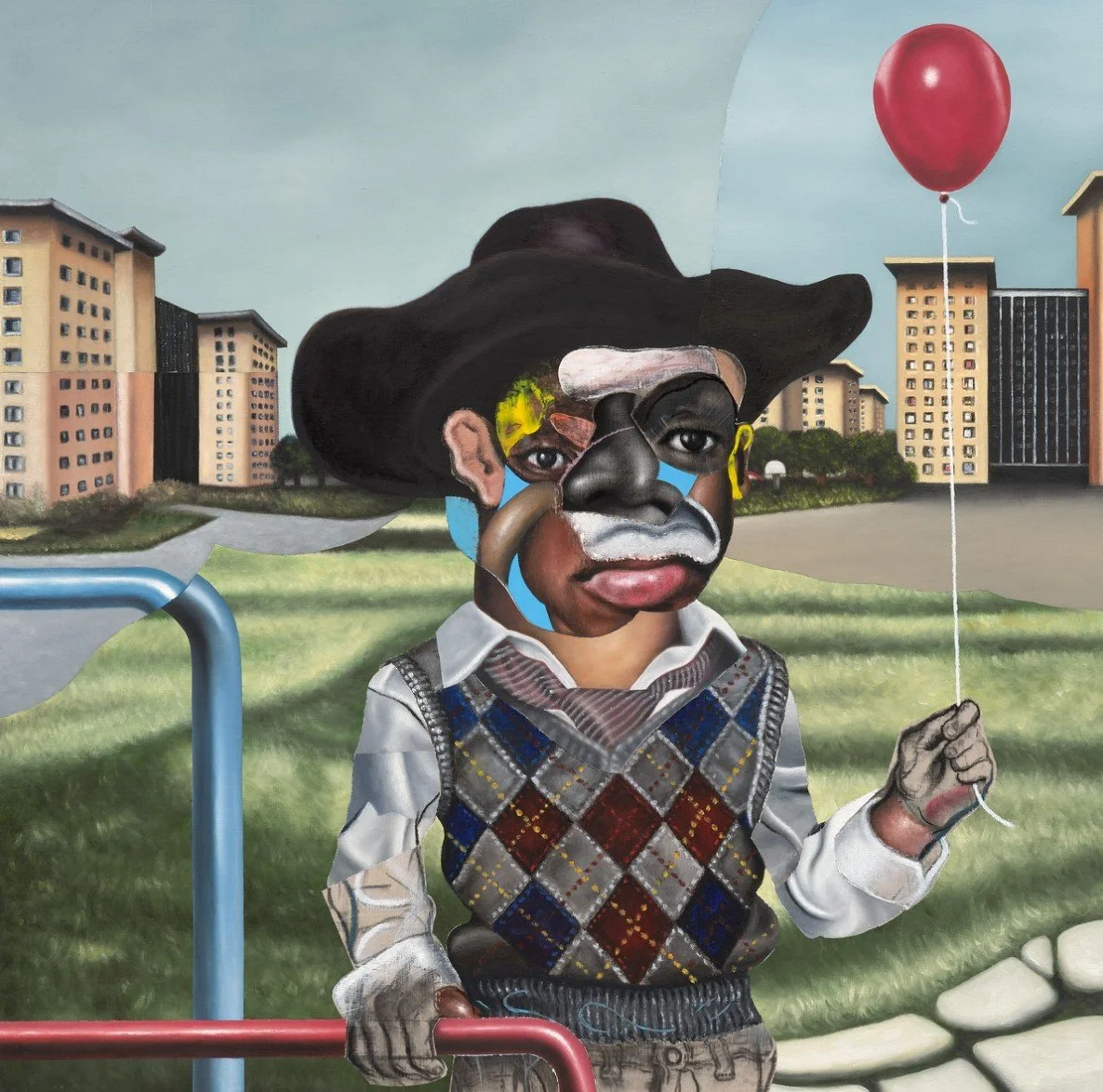
Quinn makes paintings that move beyond the heroic domains of figurative portraiture, tracing echoes of Walker’s novel and its vivid cycles of abuse, vulnerability, and fragile hope in the story of Grange Copeland and his broken family in the American South. Returning to the book he first read in 2005 while teaching at a college for at-risk youth, Quinn revisits the past while racing forward—introducing a new outlook through his masterful technique and fractured portraits. His continued dialogue with Francis Bacon, particularly Bacon’s use of line and placement of figures within space, has pushed him to make structural leaps in his own practice. The result: neo-surreal compositions suspended between oscillating cityscapes and disrupted landscapes, where cognition is probed and externalized, building a charged bridge between abstraction and figure.

Born in Chicago, with degrees in art and psychology, Quinn found his home in New York. In his meticulously organized studio, he generates bursts of painterly exuberance. His canvases crackle with physical fervor, psychic frayed nerves, fleshy abstractions, and vivid depictions of mind, body, and spirit. He dives into angst, humility, abandonment, and memory—especially the loss of his mother at just 15.
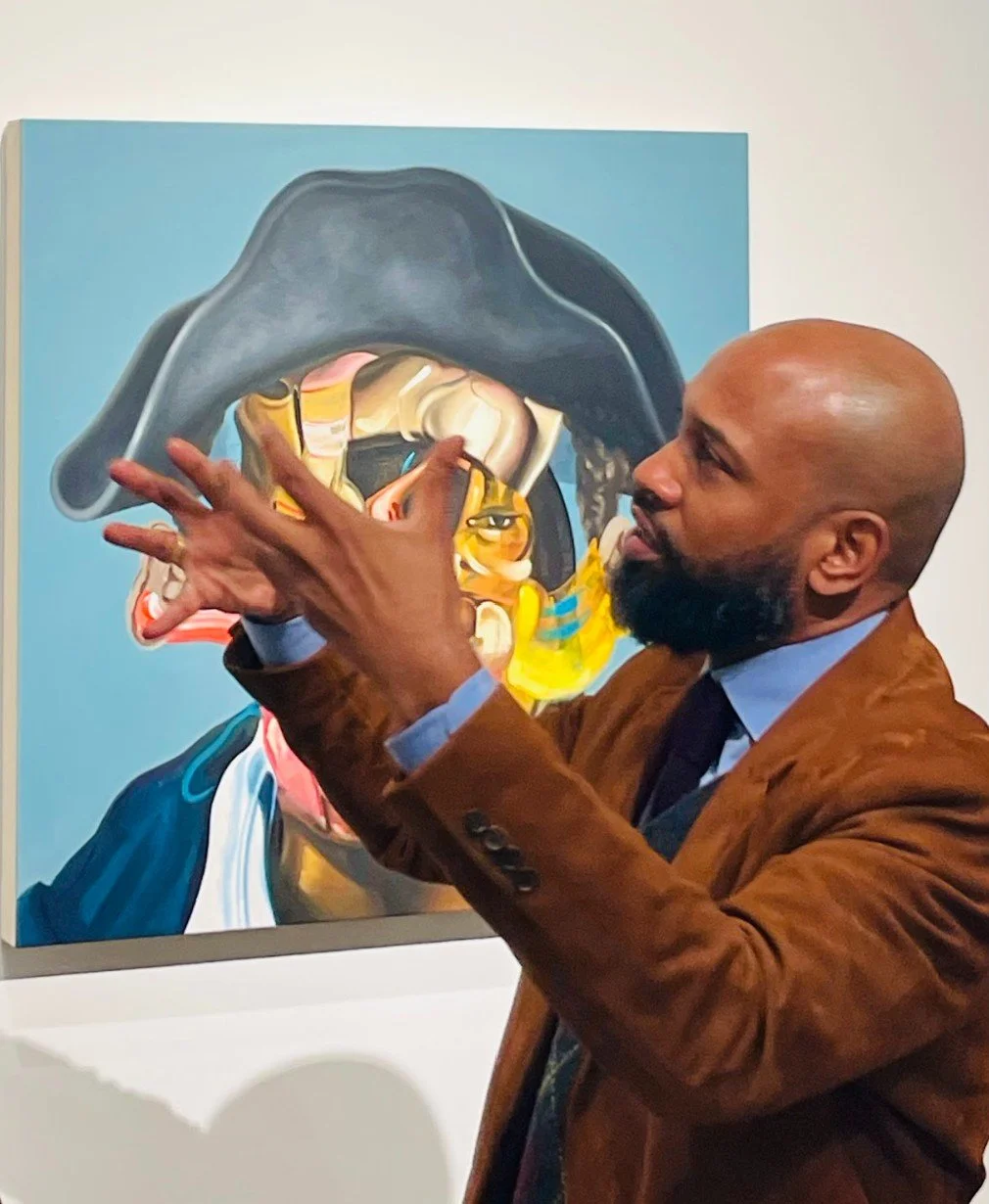
Nathaniel Mary Quinn
Infatuated with the mysteries of the human psyche, the infinities of the subconscious, and the memories of his own upbringing, Quinn creates figurative paintings and surreal abstractions that come close to portraying the existential struggle we all face. It is as if he paints through the prism of God—what Nietzsche had in mind when he wrote, “One must have existential chaos in oneself to give birth to a dancing star.” Of course, Quinn’s humble spirit would never allow him to call himself an art-god. Yet his paintings radiate the divine and the healing, rooted in the vulnerable and shadowed corners of the human psyche.
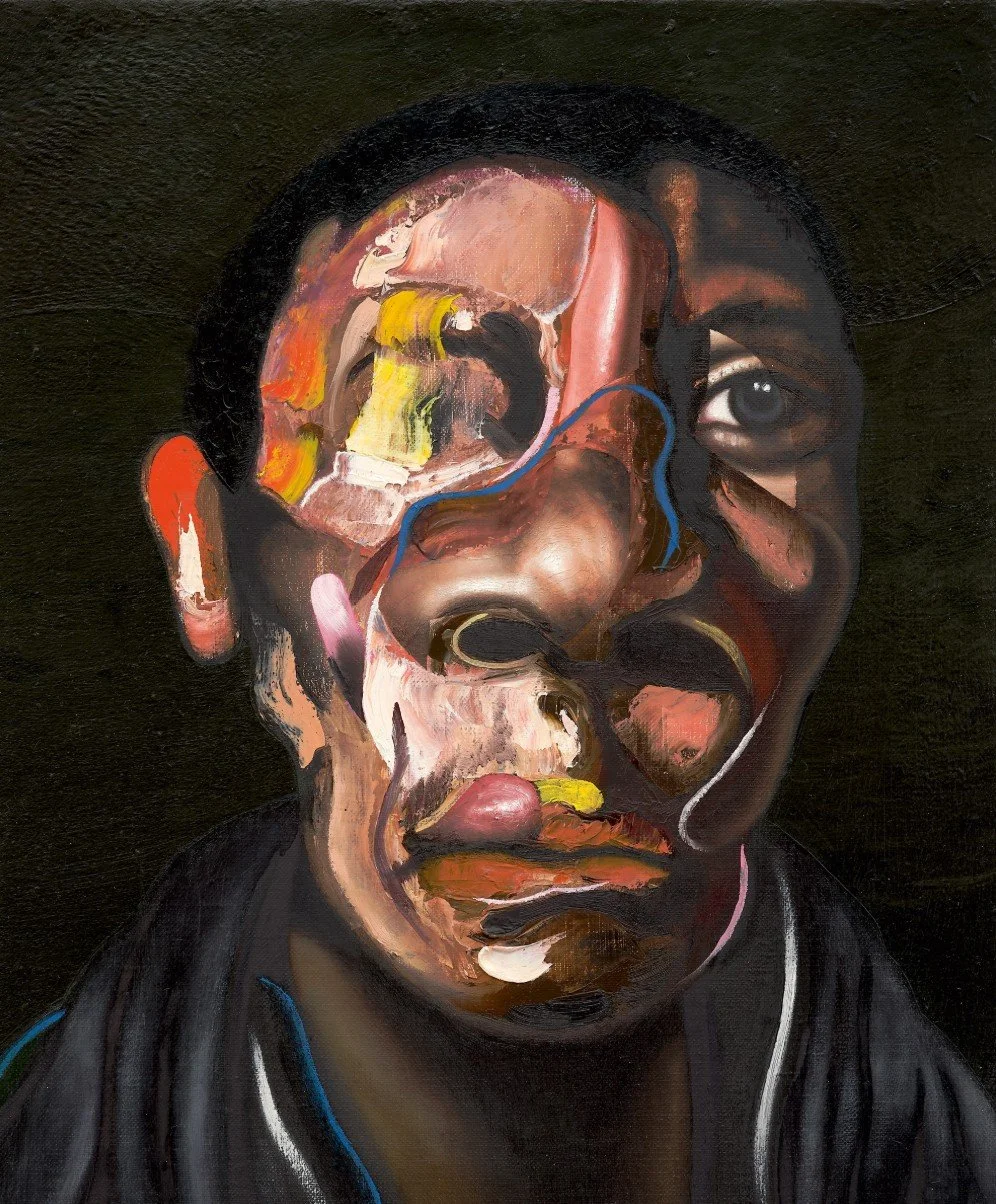
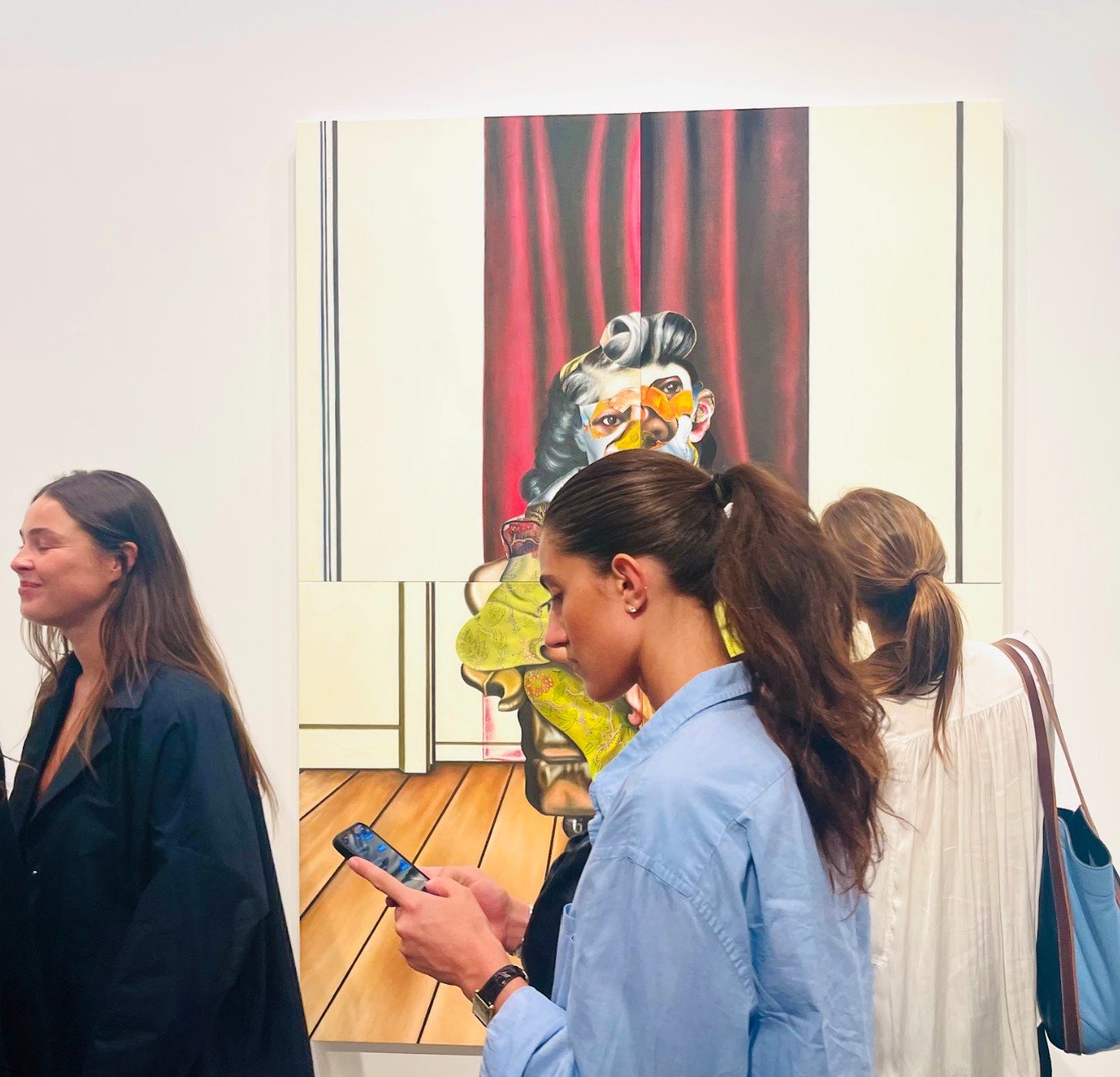
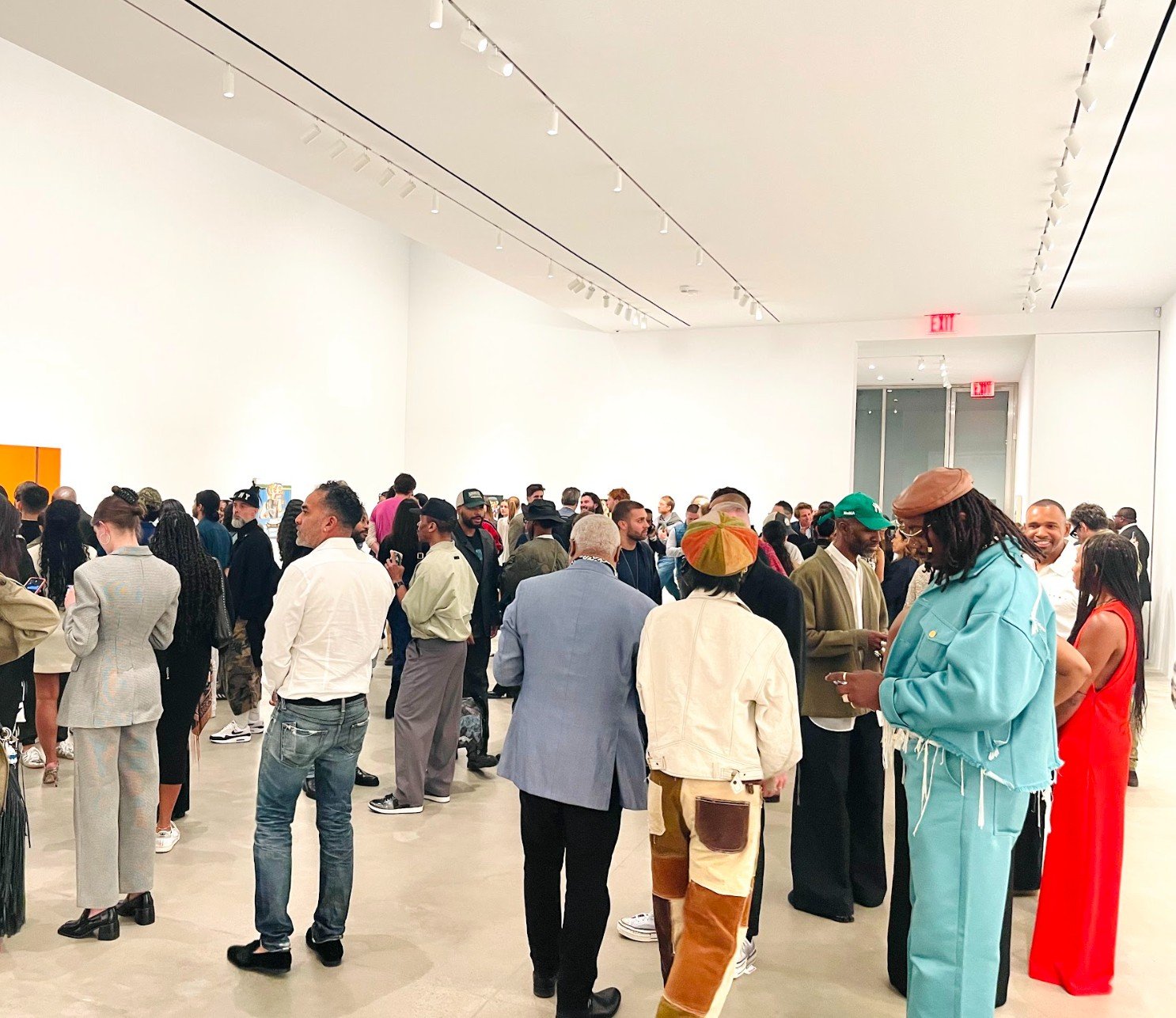
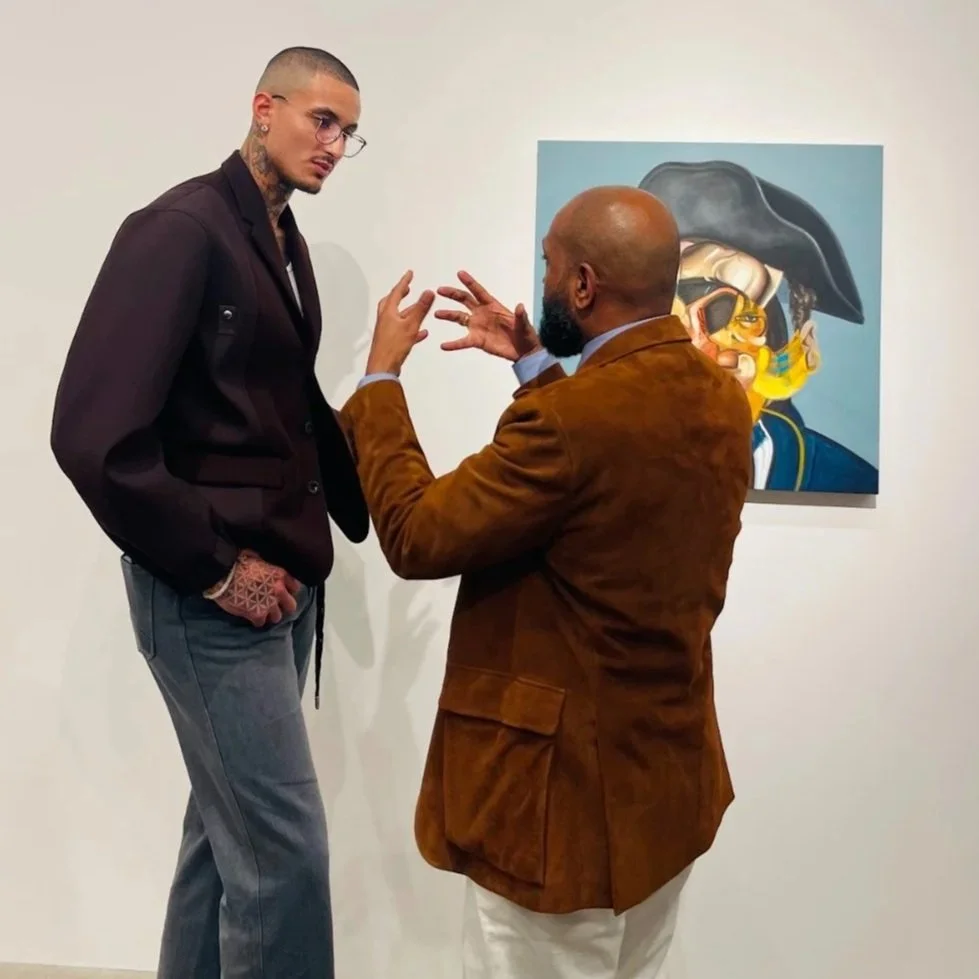
Deep, phenomenologically cool stuff. Next stroll to Chelsea, step into Gagosian, and witness Quinn’s sublime, cerebral, and fiercely fantastical figurations.