Venice Biennale 2026: A Vision That Outlived Its Maker
The 2026 Venice Biennale “In Minor Keys” is a posthumous exhibition. Curator Koyo Kouoh, the first African woman to helm La Biennale, died in May 2025 before seeing it realized. 111 artists. Four motifs. One question no institution likes to answer: does a vision survive its maker intact — or become, as all great art does, something entirely its own for having outlived her?
By Aleksandra Dinic · Art · 5 min read
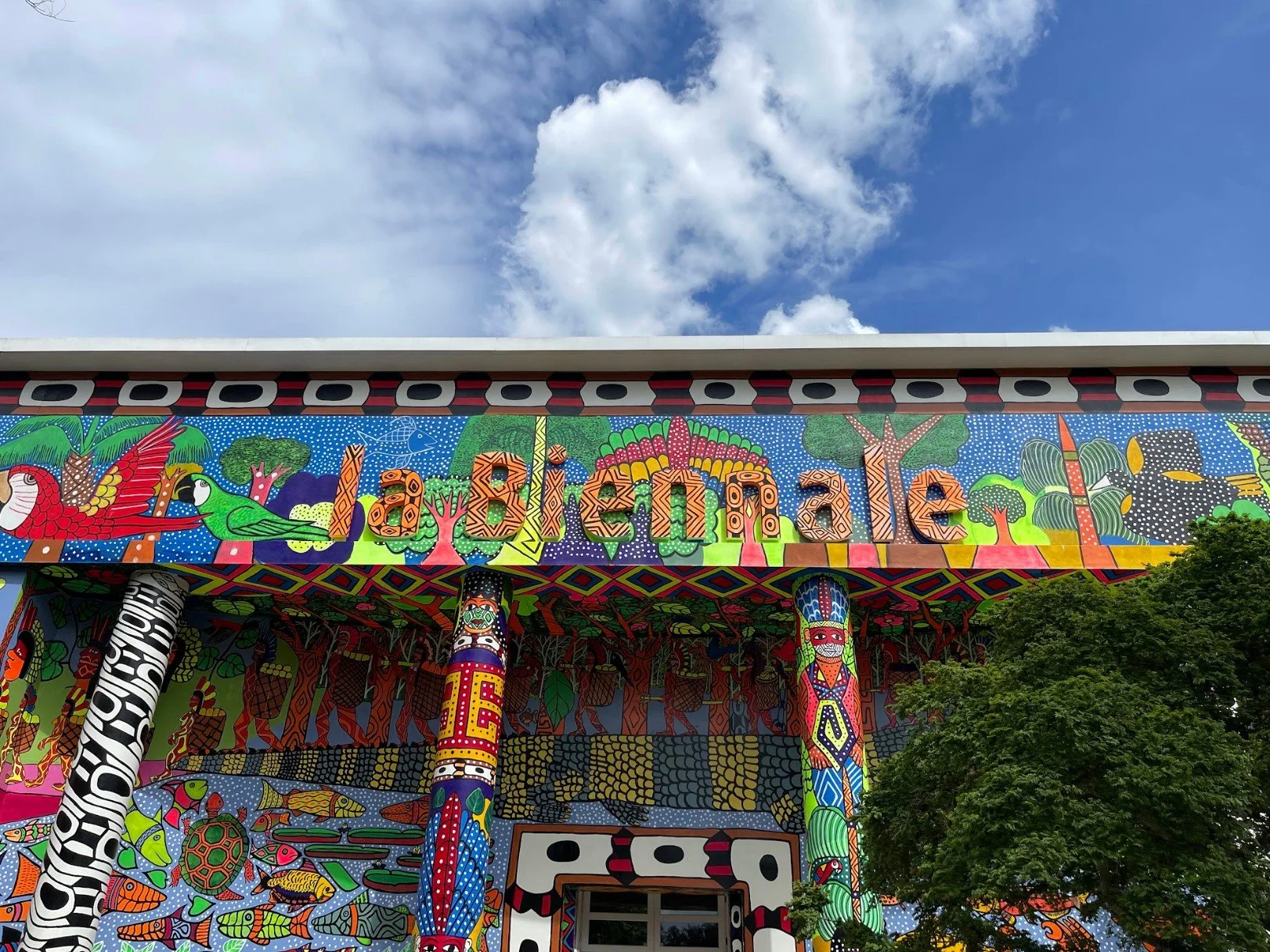
Venice Biennale 2024.
"Keep your eye on the donut and not on the hole." — David Lynch
There is a particular kind of art that only becomes legible after the fact. Not because the audience wasn't ready, but because the work needed time to close around its own meaning. The 2026 Venice Biennale may be, accidentally, exactly that.
The 61st edition opens May 9, same as always: the Giardini buzzing, the Arsenale doing its ancient-shipyard-turned-art-cathedral thing, the vaporetti overloaded with curators and collectors, people who are both and people who are neither. La Serenissima, doing what she always does — absorbing everything, reflecting everything, belonging to no one. Koyo Kouoh’s “In Minor Keys” arrives into that lagoon with 111 artists, a curatorial vision built over a lifetime of looking, and a question no exhibition has quite had to answer before: not whether it will survive the circumstances that now surround it, but whether it will survive as itself. Whether the work — the beautiful specific thing Kouoh made — holds its original shape when the hands that formed it are no longer here to defend it.
Koyo Kouoh died in May 2025 before seeing it come to life. Seyni Awa Camara, born 1945 in Senegal, died this year while the artist list was still being finalised. Henrike Naumann, selected for the German Pavilion, died February 14, 2026, at 41. There will be no Golden Lion lifetime achievement award, because no one was left to choose it. These are the facts, and they are the hole — real, deep, undeniable. But Kouoh didn’t build a hole. She built a show. And the question this piece is actually asking is the one every great artwork eventually asks of itself: does the vision survive its own making? Does it arrive intact — or does it do what art always does, which is become something the artist never entirely intended, and therefore something more honestly alive?
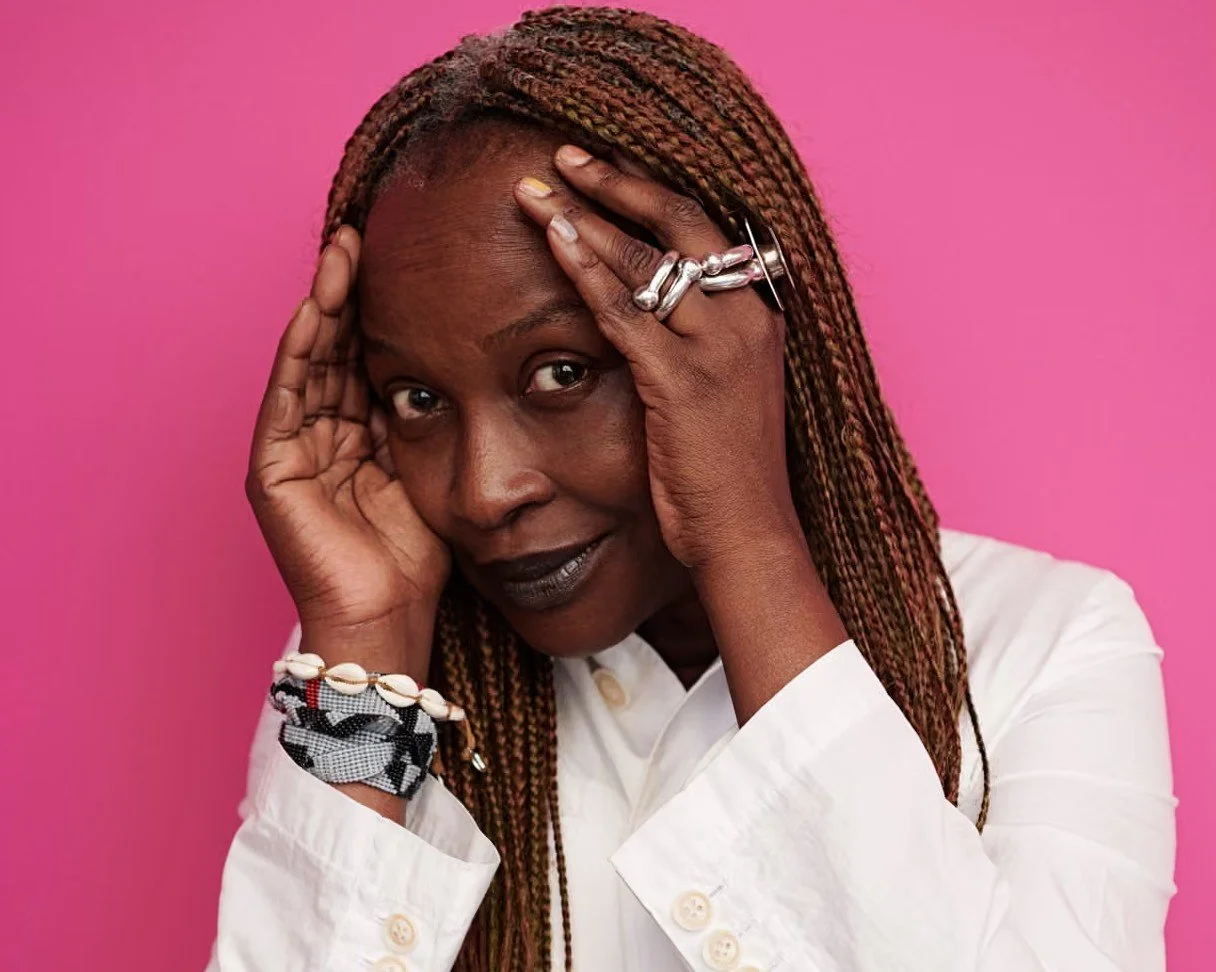
Koyo Kouoh finalised every element of In Minor Keys before her death — the artists, the architecture, the argument. The show opens May 9 without her.
Koyo Kouoh — Cameroonian-born, chief curator of Zeitz MOCAA, the first African woman to helm the Venice Biennale — died last May before she could see any of it. Opening week, a procession of poets will move through the Giardini in her honour, echoing the Poetry Caravan she organised in 1999: nine African poets, Dakar to Timbuktu, on foot.
The team carrying the show forward — Gabe Beckhurst Feijoo, Marie Hélène Pereira, Rasha Salti, Rory Tsapayi, Siddhartha Mitter — last gathered with Kouoh in Dakar in April 2025, the month before she died. What they are now executing is the closest thing contemporary art has to a message in a bottle: the full curatorial framework, the artist selection, the graphic identity, the exhibition architecture, the catalogue authors — all finalised, all hers. Little over a year after that last gathering, they will open the doors.
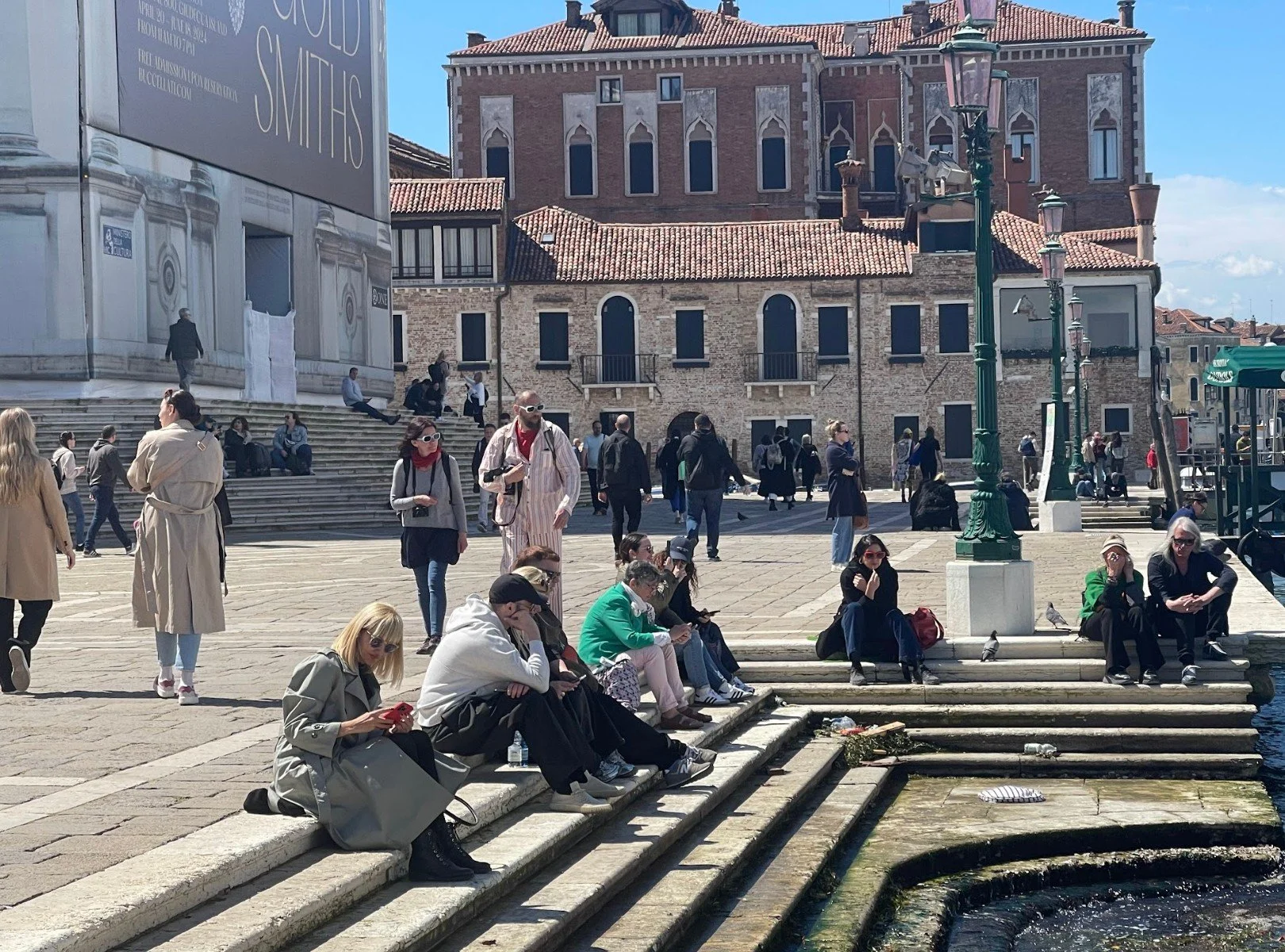
Every two years, the art world converges on Venice — curators, collectors, culture vultures and people who are all three.
Every two years, curators, culture vultures, affluent collectors and influencers of every persuasion converge on Venice to witness the newest output from the art world’s most hyped-up (and hushed-up) virtuosos. The nucleus of the event is always a conceptually driven main exhibition built around a unifying theme. In 2024, it was Adriano Pedrosa’s “Foreigners Everywhere” — nomadic culture, artistic peregrination, swirling globalism. This year is different in kind, not degree. “In Minor Keys” will outlive its maker. And that changes what it is.
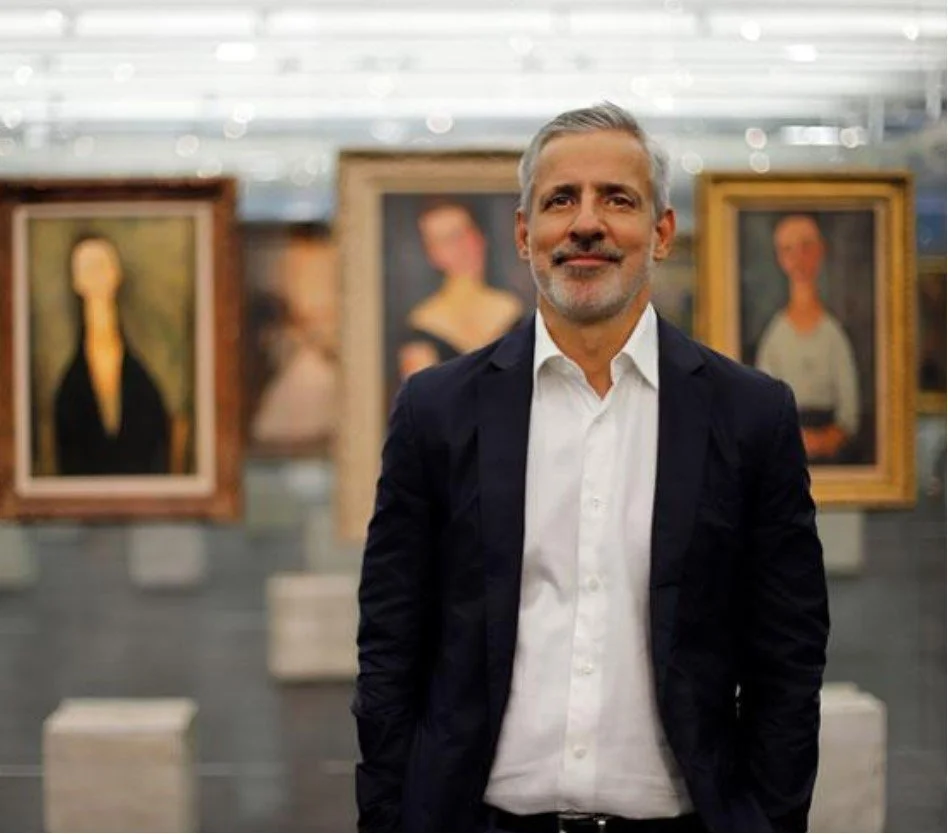
Adriano Pedrosa Brazilian curator of Venice Biennale 2024 Foreigners Everywhere predecessor to Koyo Kouoh's 2026 edition “In Minor Keys.”
The 111 read like a Kouoh dream list, which is exactly what it is, because she built it over a lifetime of looking. Laurie Anderson. Wangechi Mutu. Nick Cave (the Chicago artist, not the Australian singer, though at this point the confusion feels almost intentional). Kader Attia, Sammy Baloji, Otobong Nkanga, Cauleen Smith, Walid Raad — a lineup as geographically sprawling as anything the Biennale has staged, with a radical lean toward the Global South that isn’t tokenism because Kouoh is the Global South in this context. She founded RAW Material Company in Dakar. It’s now in the exhibition she curated. That’s not a footnote. That’s the whole story.
Kouoh built “In Minor Keys” around four conceptual motifs: shrines, rest, procession, schools — and the 111 read accordingly. The oldest living artist was born in 1943 and the youngest in 1997. That range is deliberate. So is the unusual inclusion of six artist-led organizations: Denniston Hill in the Catskills, RAW Material Company in Dakar, GAS Foundation in Lagos, Nairobi Contemporary Art Institute. Grassroots ecosystems recognized not for objects but for ethos — places that convene, teach, shelter. Kouoh called them schools. That word is doing a lot of quiet work.
The shrines anchor the Central Pavilion: Issa Samb — Senegalese artist, playwright, poet, Kouoh’s lifelong mentor — and Beverly Buchanan, the American artist who spent decades making work about Black Southern vernacular architecture from the margins of the canon. Both deceased. Both given the most space. That’s a curatorial argument, not a tribute.
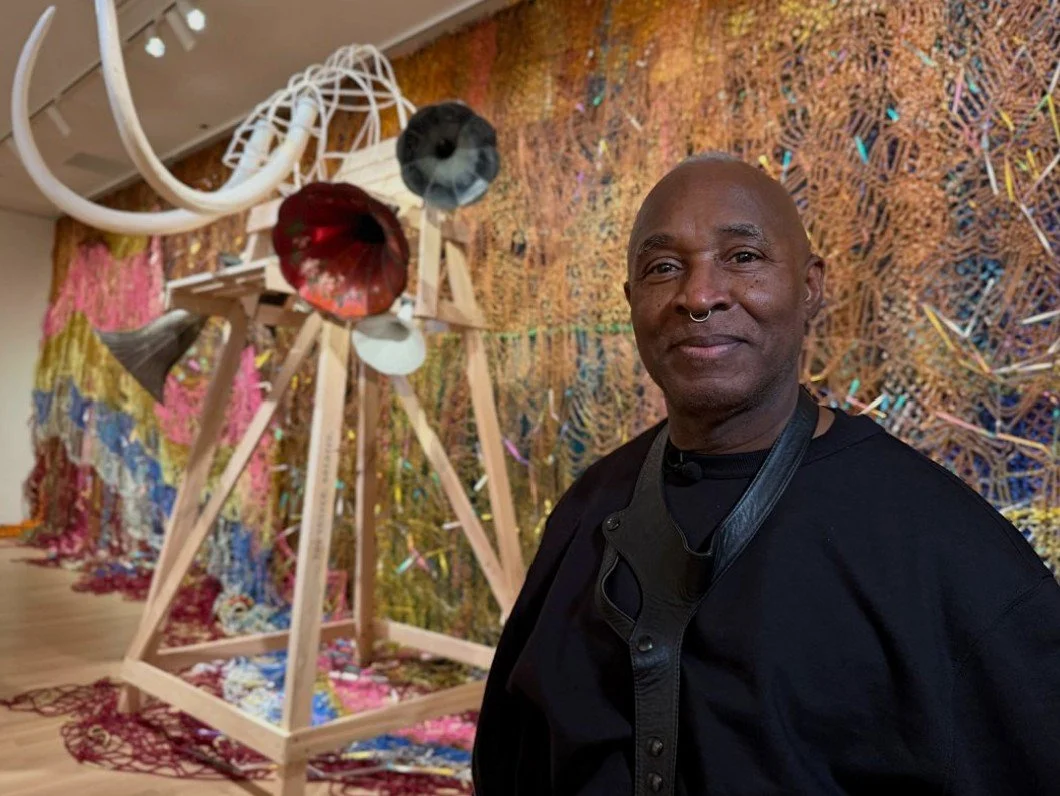
Nick Cave's herd of creatures at Mammoth, Smithsonian American Art Museum — the same Chicago artist Koyo Kouoh placed inside In Minor Keys' procession motif, alongside Afro-Atlantic carnival traditions and the refusal of solid walls.
The procession motif, drawn from Afro-Atlantic carnival traditions, moves through Alvaro Barrington, Nick Cave, Big Chief Demond Melancon, Ebony G. Patterson, and Godfried Donkor. Kouoh refused solid walls where possible, working with Cape Town’s Wolff Architects to replace partitions with standing supports. The show was designed to be walked through like a route, not surveyed like a grid.
And rest — offered not as passivity but as resistance to art-world cynicism — gathers around Helen Sebidi, Seyni Awa Camara, Torkwase Dyson, Wangechi Mutu, Werewere Liking, Carsten Höller, in what Kouoh imagined as a Creole garden: real and metaphorical simultaneously, a courtyard inside the noise.
At the Venice Biennale there’s always the WOW, gee-whiz factor that leaves an indelible impression — that transforms the accumulated pile of culture into something altogether enlightening, revelatory, visionary. And then, casually, inevitably, near the bottom of the official list: Marcel Duchamp. Born 1887, died 1968. Duchamp — who spent his later career refusing to make art, who gave authorship away as a gesture, who turned not-doing into the gesture — is here, presumably to make sure we don’t miss the point.
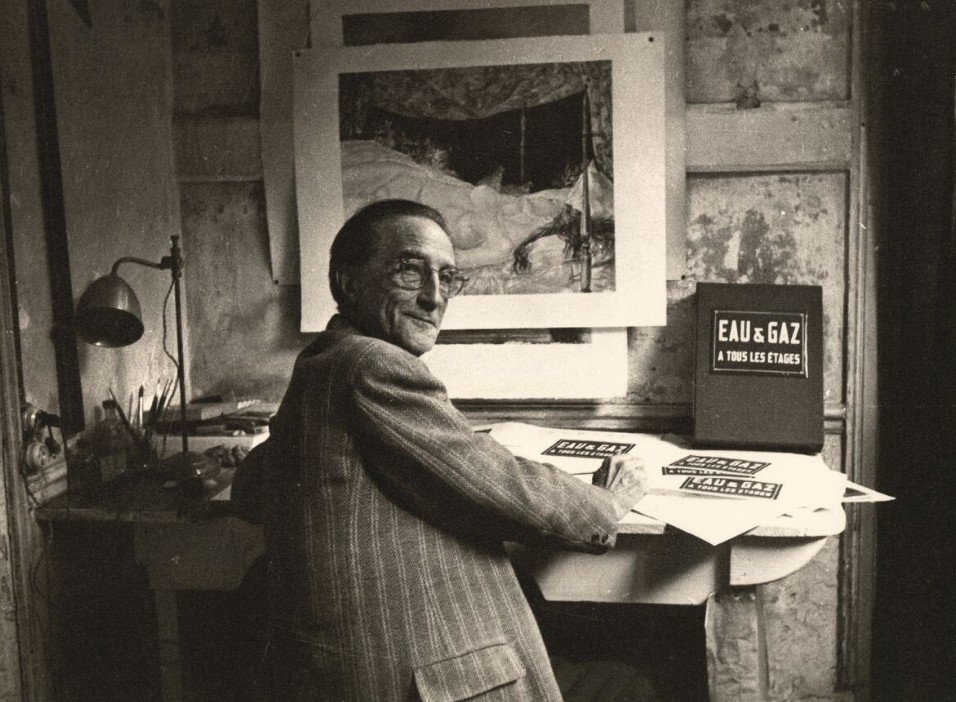
Marcel Duchamp signing the labels EAU & GAZ À TOUS LES ÉTAGES for the deluxe edition of ‘Sur Marcel Duchamp’ at the Trianon Press offices, Paris, September 23, 1958.
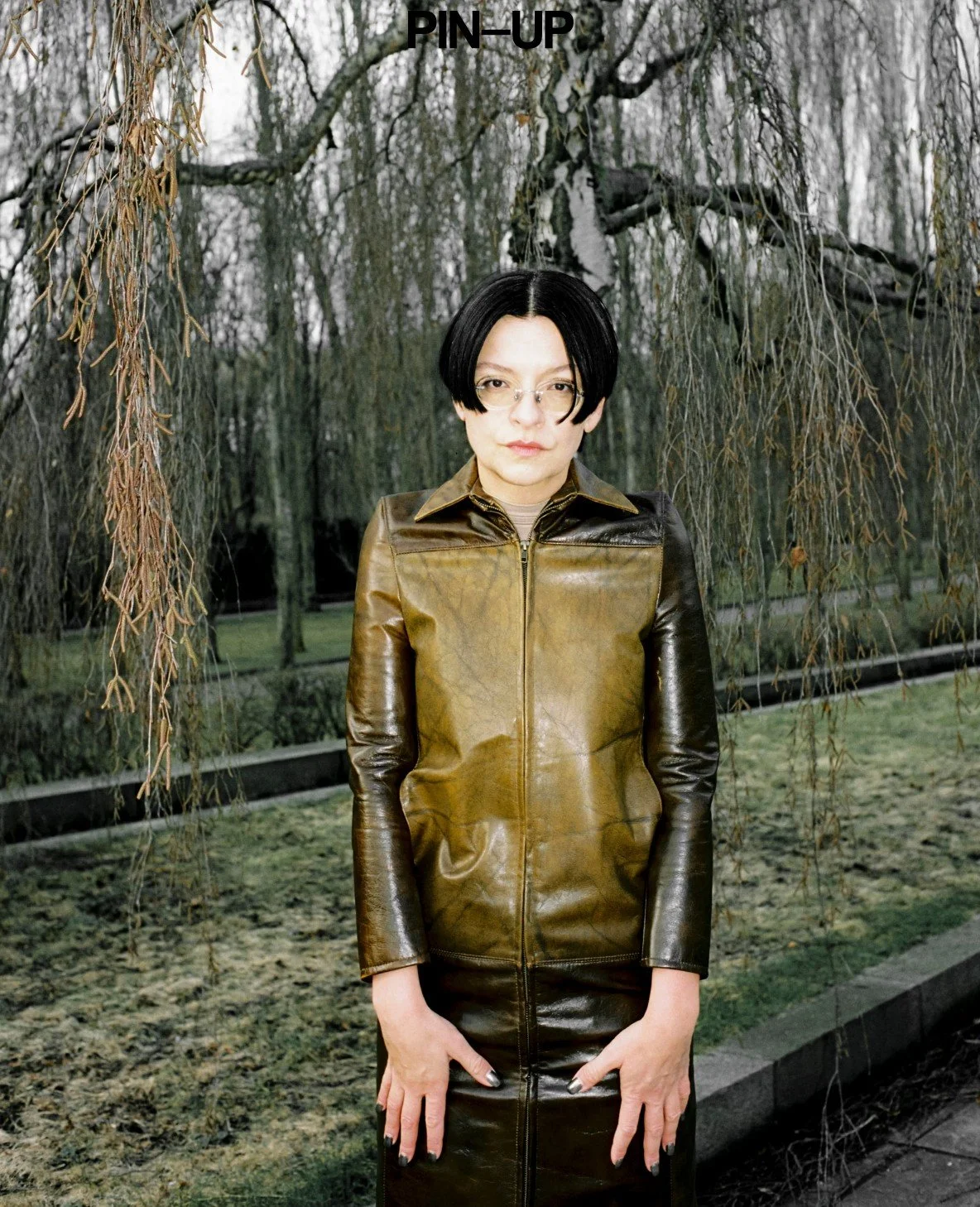
Henrike Naumann, selected for the German Pavilion, died February 14, 2026 at 41.
The Biennale opens May 9. The lagoon will look like it always does. The vaporetti will be late. The lines at the Giardini will be long. The art will be — if Kouoh got it right, which everything suggests she did — genuinely, unexpectedly moving. She built this show to listen. To slow down. To make space for practices that don’t perform loudly.
The irony is that the loudest thing about “In Minor Keys” is now the silence at its centre. The work is there. Koyo Kouoh is not. Henrike Naumann is not. Seyni Awa Camara is not. The institution is. The institution is always there — that’s the expected fact, and everything else is profoundly uncertain, serene, and overly boosted with feeling.
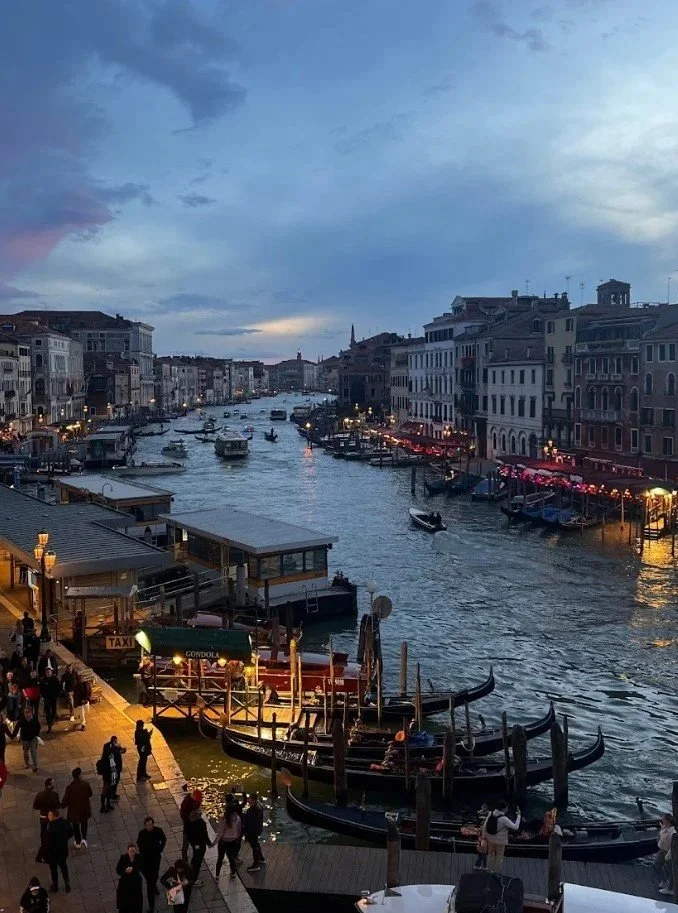
The lagoon will look like it always does. The vaporetti will be late, the lines will be long.
Whether “In Minor Keys” arrives as Kouoh intended, or becomes something she never entirely planned — something more alive for having escaped her — is the question May 9 will begin to answer. Every great artwork eventually asks it of itself. This one just had the question handed to it early, by circumstance, by loss, by the simple and irreversible fact that the person who made it is not here to witness it.
That’s not a tragedy. That’s art.
The complete list of invited participants for “In Minor Keys” — spanning individual artists, collaborative duos, collectives and artist-led organisations across six continents — is available on the official La Biennale di Venezia website.
The full programme of national participations, including the German Pavilion and over 80 national representations across the Giardini and Arsenale, is published on the official La Biennale di Venezia website.

Aleksandra Dinic is the founder and editor of Anarchy Daily. She covers contemporary art, culture, tech and the ideas underneath.